Homemade Dog Food For Weight Management: A Comprehensive Guide
As a loving dog owner, you may sometimes worry about your furry friend’s weight. Just like humans, dogs can struggle with obesity, which can lead to a host of health problems. But don’t fret! Making homemade dog food for weight management is not only a great way to keep your pup healthy, but it can also be a fun and engaging experience for both of you. In this article, I’ll walk you through everything you need to know about creating a nutritious diet for your dog, including recipes, tips for success, and common mistakes to avoid.
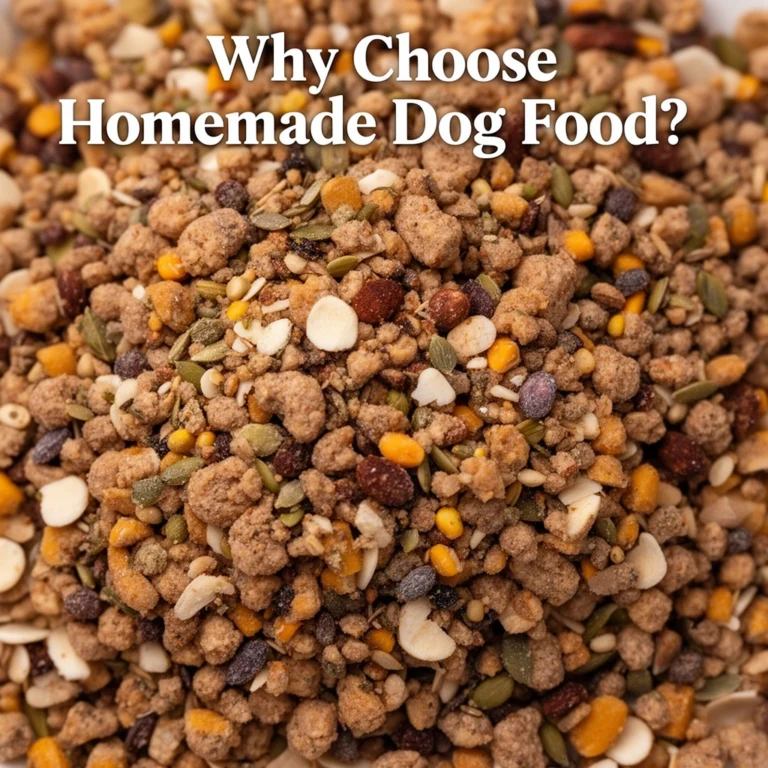
Why Choose Homemade Dog Food for Weight Management?
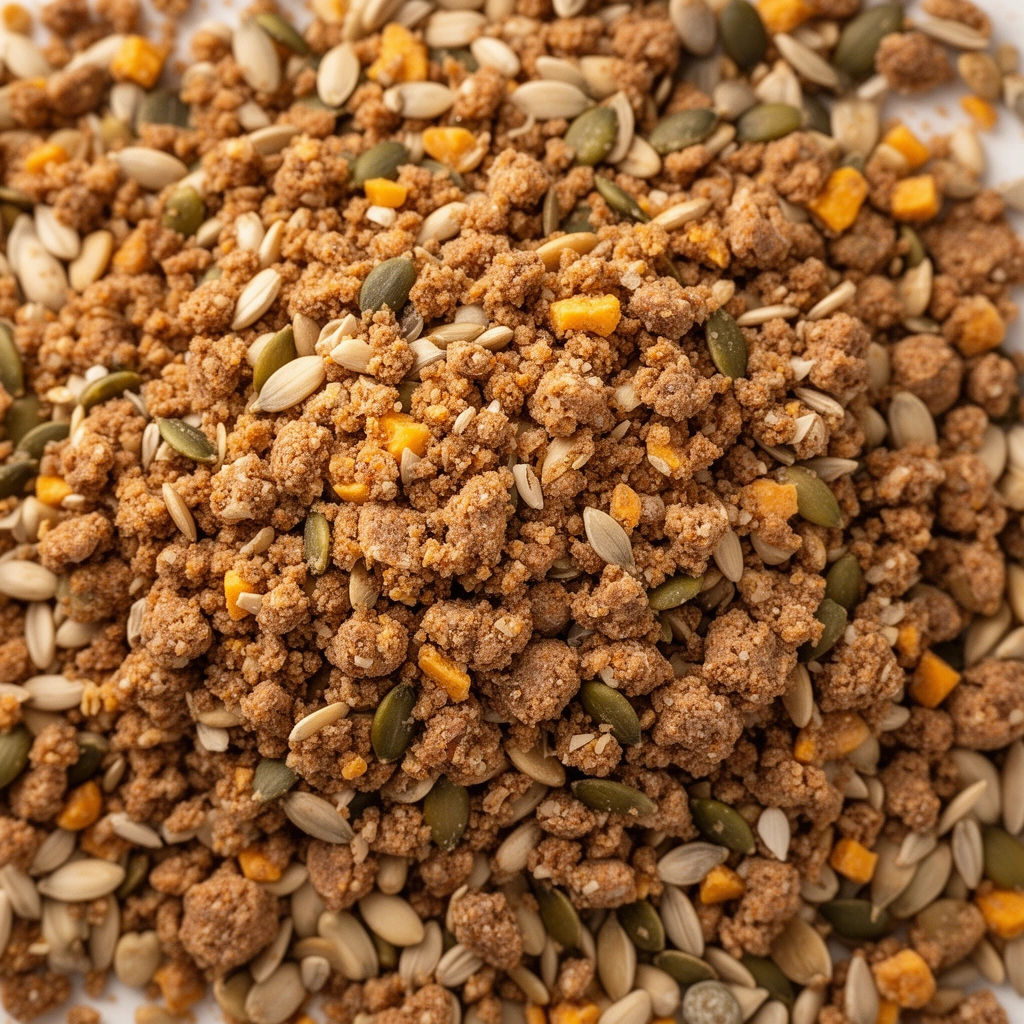
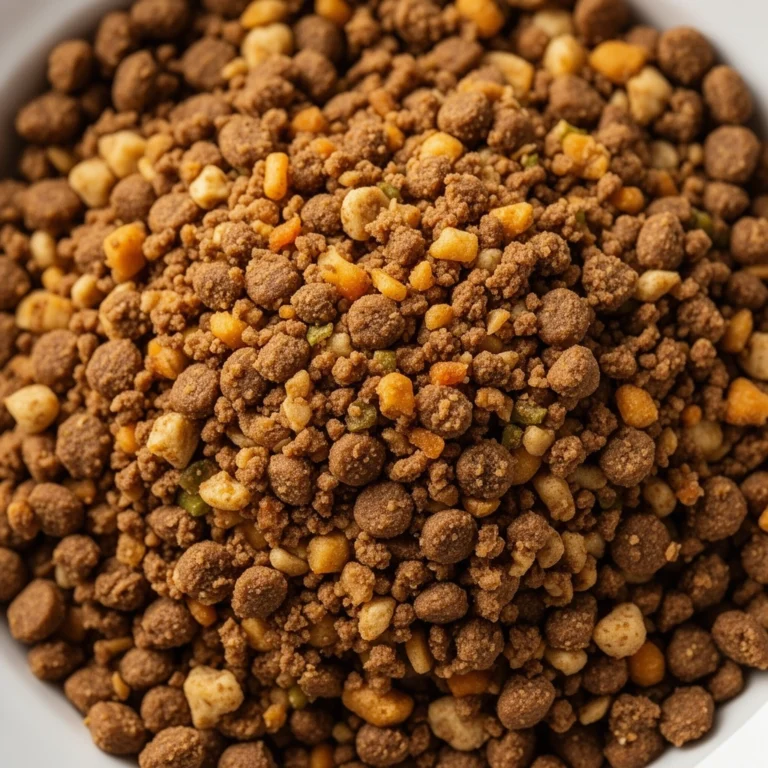
Making homemade dog food allows you to control the ingredients and portion sizes, ensuring your dog gets a balanced diet tailored to their specific needs. This is particularly important for dogs who need to lose or maintain weight. When you make your own dog food, you can easily adjust the calorie content and include whole foods that promote satiety, keeping your dog satisfied and healthy.
Key Terms to Know
- Caloric Density: The number of calories in a given volume of food. Lower caloric density foods help dogs feel full without overeating.
- Macronutrients: Nutrients that provide energy, including proteins, fats, and carbohydrates.
- Whole Foods: Foods that are minimally processed and free from artificial ingredients.
How to Create Homemade Dog Food for Weight Management
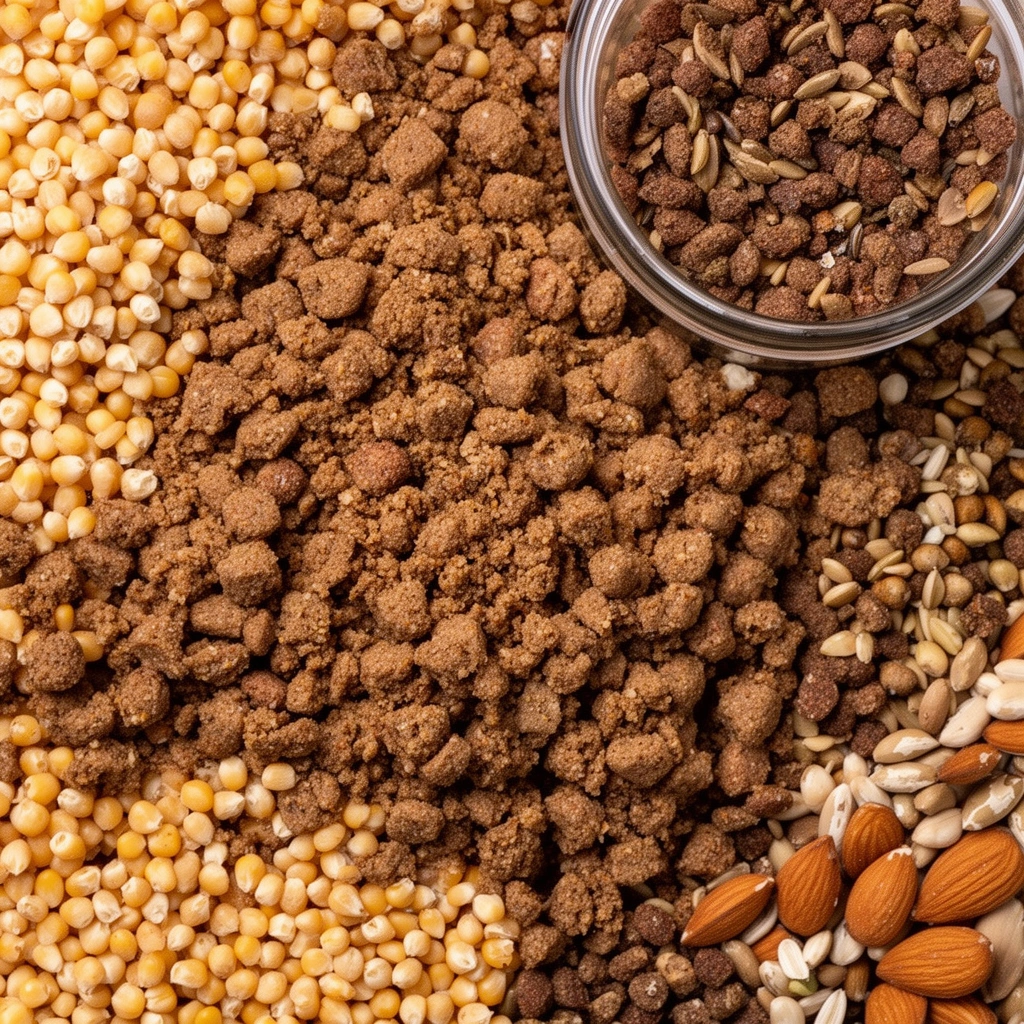
Creating homemade dog food may seem daunting, but I promise it’s easier than you think! Here’s a step-by-step guide to help you whip up a delicious and nutritious meal for your furry friend.
Step-by-Step Process
-
Consult Your Veterinarian: Before making any significant changes to your dog’s diet, it’s essential to consult with your vet to ensure you’re meeting all of your dog’s nutritional needs.
-
Choose Lean Proteins: Select lean meats like chicken breast, turkey, or fish. Proteins are vital for muscle maintenance and can help your dog feel fuller.
-
Incorporate Healthy Carbohydrates: Use brown rice, quinoa, or sweet potatoes for energy. They are excellent sources of vitamins and minerals.
-
Add Vegetables: Include low-calorie, high-fiber vegetables like carrots, green beans, and spinach to promote fullness without adding too many calories.
-
Include Healthy Fats: While your goal is weight management, healthy fats like fish oil or flaxseed oil can help with skin and coat health.
-
Portion Control: Measure out your dog’s food according to their weight and activity level. This helps prevent overeating.
-
Cook Thoroughly: Ensure all meats are cooked to eliminate any harmful bacteria.
Sample Recipe for Weight Management
Here’s a simple recipe that you can try at home:
Ingredients
- 1 cup chicken breast, cooked and shredded
- 1/2 cup brown rice, cooked
- 1/4 cup carrots, diced
- 1/4 cup green beans, chopped
- 1 tablespoon olive oil
Instructions
- In a large pot, combine the chicken breast, brown rice, carrots, and green beans.
- Add water to cover the ingredients and bring to a boil.
- Reduce heat and simmer for about 20 minutes, or until the vegetables are tender.
- Stir in the olive oil and let it cool before serving.
Tips for Success
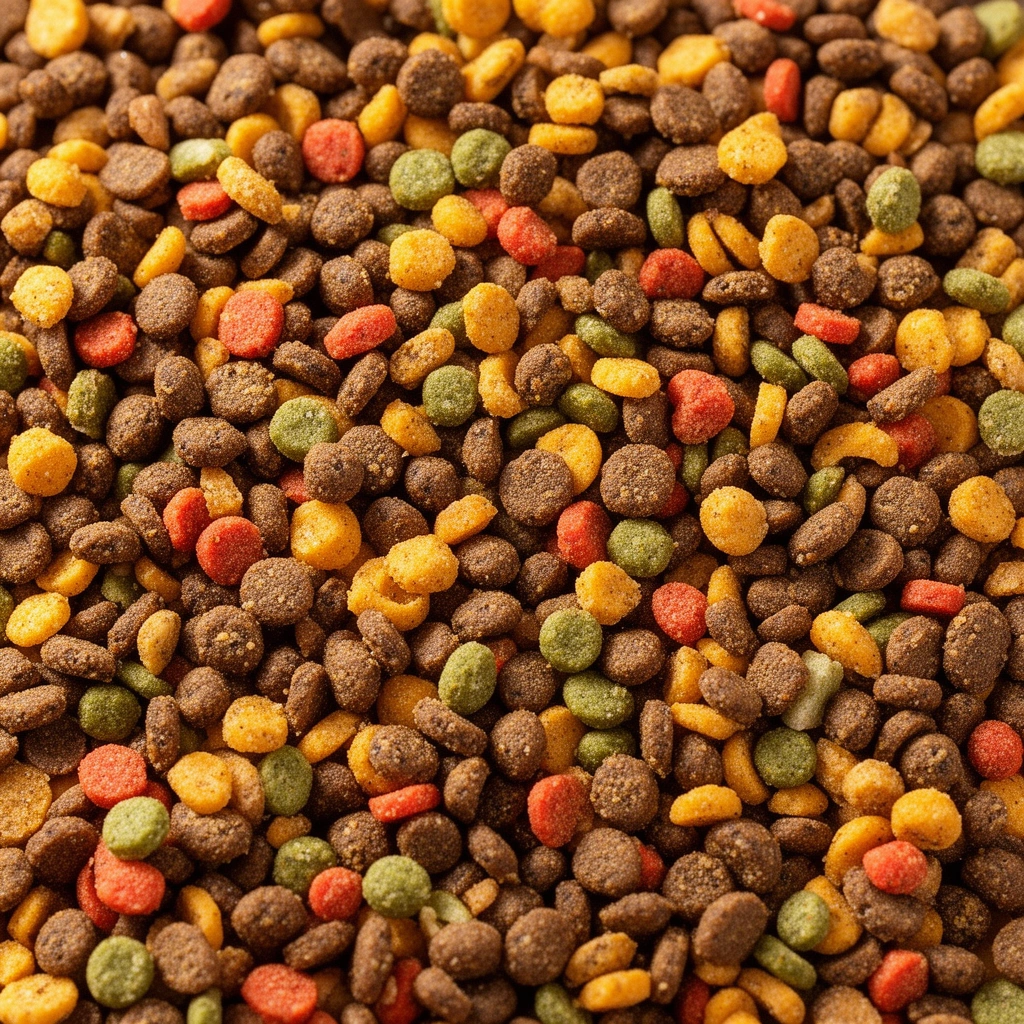
- Variety is Key: Don’t hesitate to switch up the ingredients to keep your dog interested. Rotate different proteins and vegetables every week.
- Food Storage: Store homemade dog food in airtight containers in the refrigerator for up to five days, or freeze for longer storage.
- Monitor Weight: Keep track of your dog’s weight weekly to make necessary adjustments to their diet.
Common Mistakes and How to Avoid Them
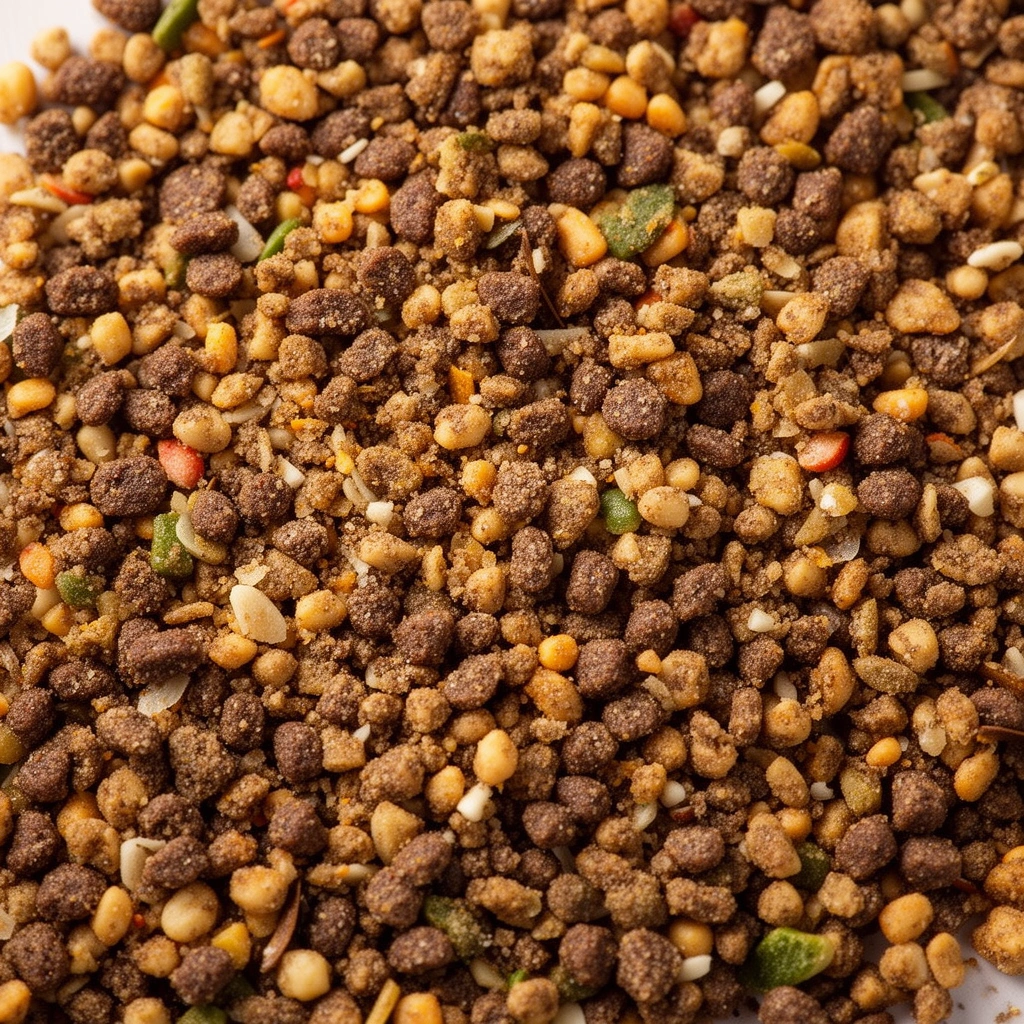
-
Not Consulting a Vet: Skipping this vital step can lead to nutritional deficiencies. Always get your vet’s input.
-
Overfeeding: Even healthy homemade food can lead to weight gain if portions are too large. Follow portion guidelines based on weight and activity.
-
Ignoring Food Allergies: Some dogs may have allergies or intolerances to certain ingredients. Always introduce new foods gradually.
-
Neglecting Nutritional Balance: Homemade meals can lack essential vitamins and minerals. Consider adding a dog-safe supplement if recommended by your vet.
Similar Variations You Can Make
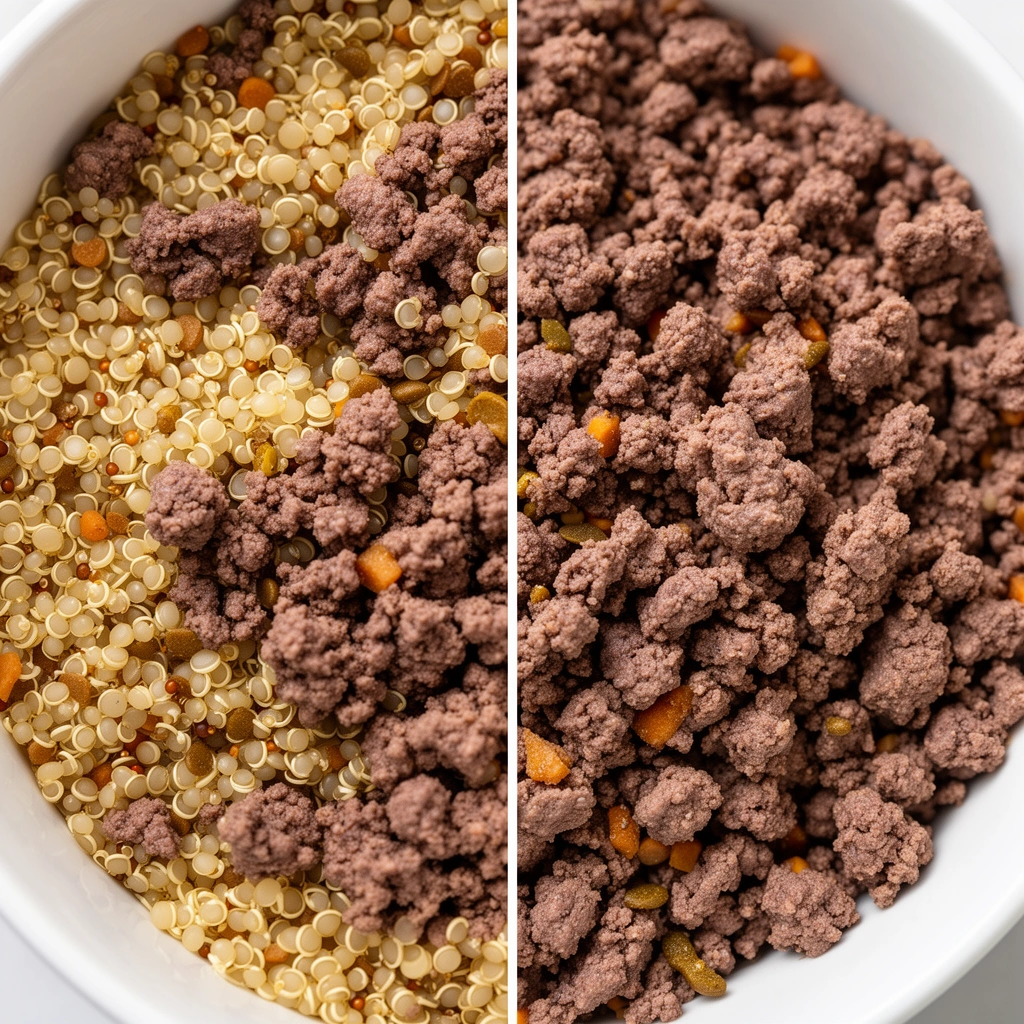
- Beef and Quinoa Bowl: Swap chicken for lean ground beef and add quinoa for a different flavor.
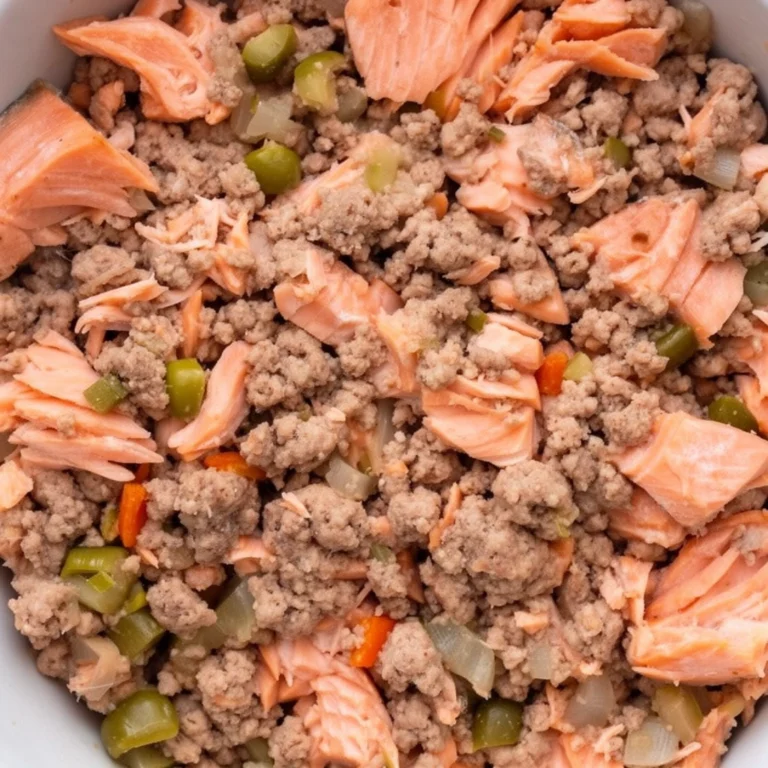
- Fish and Sweet Potato Delight: Use salmon or mackerel and mix in mashed sweet potatoes for a nutrient boost.
- Turkey and Veggie Medley: Combine ground turkey with peas and zucchini for a hearty meal.
Conclusion
Preparing homemade dog food for weight management is not only beneficial for your dog’s health, but it’s also a fantastic way to bond with your furry companion. By following the steps outlined above, you can create delicious, nutritious meals that cater to your dog’s needs. Remember to consult with your veterinarian to ensure your recipes are well-rounded and to monitor your dog’s weight for optimal health.
Taking charge of your dog’s diet can lead to a happier, healthier life for both of you. So, roll up your sleeves, get cooking, and watch your dog thrive!
In summary, homemade dog food is a rewarding way to help your dog maintain a healthy weight while ensuring they enjoy their meals. Remember to keep it varied, balanced, and always consult your vet for the best practices. Happy cooking!