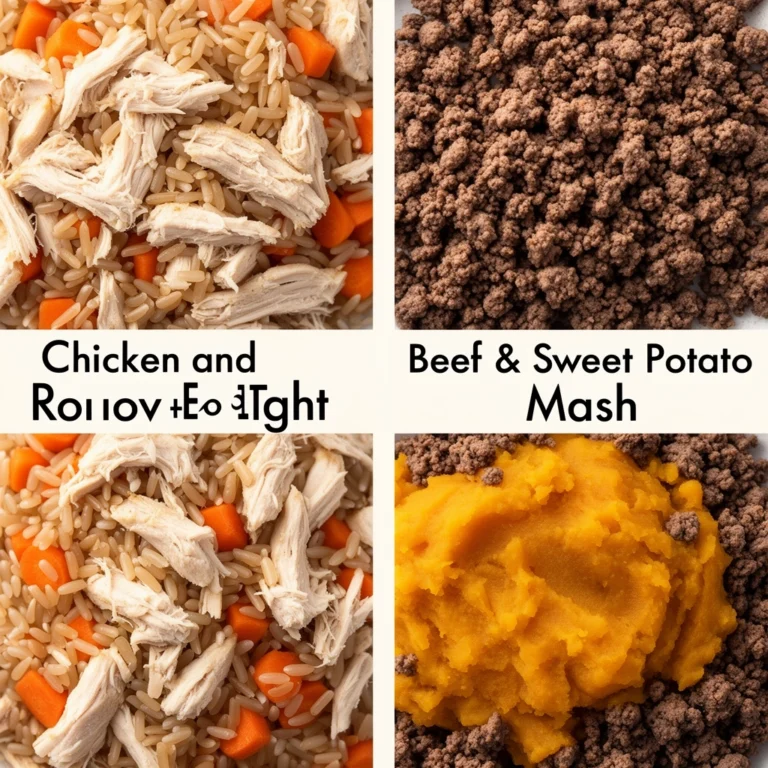
Low Fat Chicken Veggie Dog Food: A Healthy Homemade Recipe for Your Furry Friend
Are you looking for a nutritious and low-fat meal option for your furry companion? You’re in the right place! Today, we’ll explore how to make delicious low-fat chicken veggie dog food. This homemade recipe is not only healthy but also simple, using ingredients you might already have in your kitchen. Let’s dive into the world of dog nutrition and create a meal that your pup will love!
What is Low Fat Chicken Veggie Dog Food?
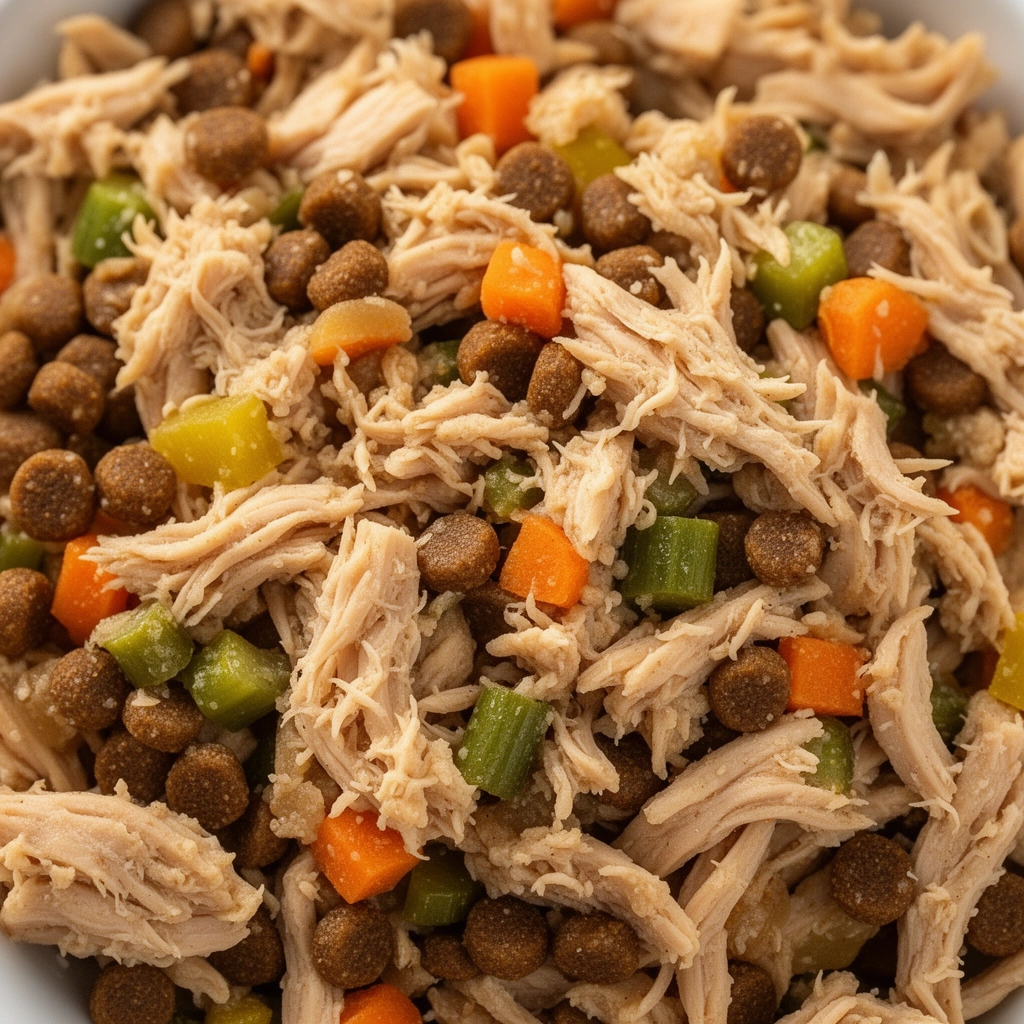
Low fat chicken veggie dog food is a wholesome meal designed to provide balanced nutrition for dogs while keeping the fat content low. This type of food is especially beneficial for dogs that need to lose weight or maintain a healthy lifestyle.
Key Components
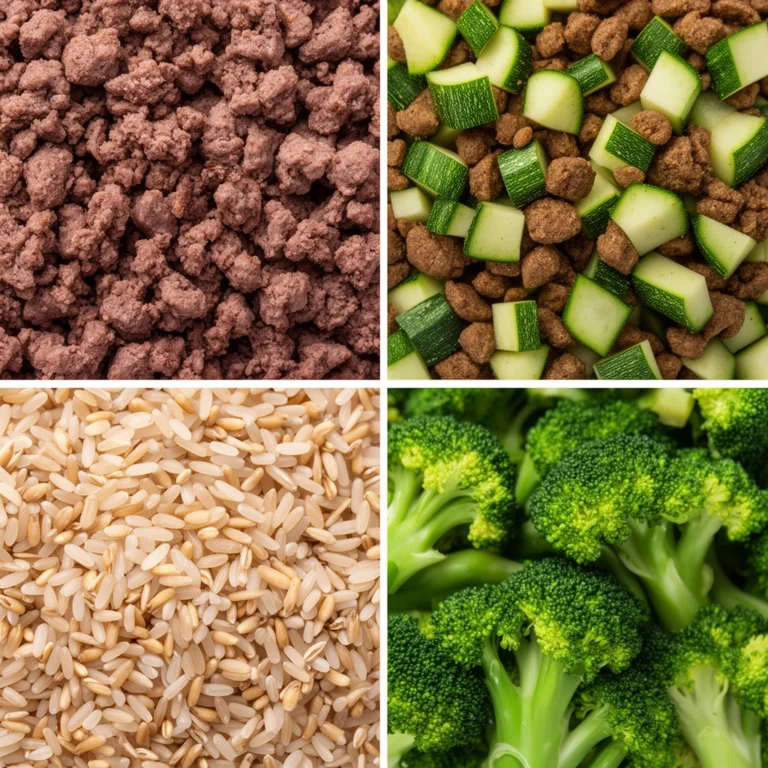
- Lean Protein: Chicken provides essential amino acids that help maintain muscle mass.
- Vegetables: Carrots, peas, and spinach offer vitamins and minerals for overall health.
- Carbohydrates: Brown rice or sweet potatoes serve as a great energy source.
Why Choose Homemade Dog Food?
Making your own dog food allows you to control the ingredients and ensure quality. Here are some reasons to consider homemade meals for your pet:
- Quality Control: You know exactly what goes into your dog’s food.
- Customizable: Adjust ingredients based on your dog’s preferences or dietary needs.
- Cost-Effective: Often, homemade dog food can be more economical compared to store-bought options.
Ingredients for Low Fat Chicken Veggie Dog Food
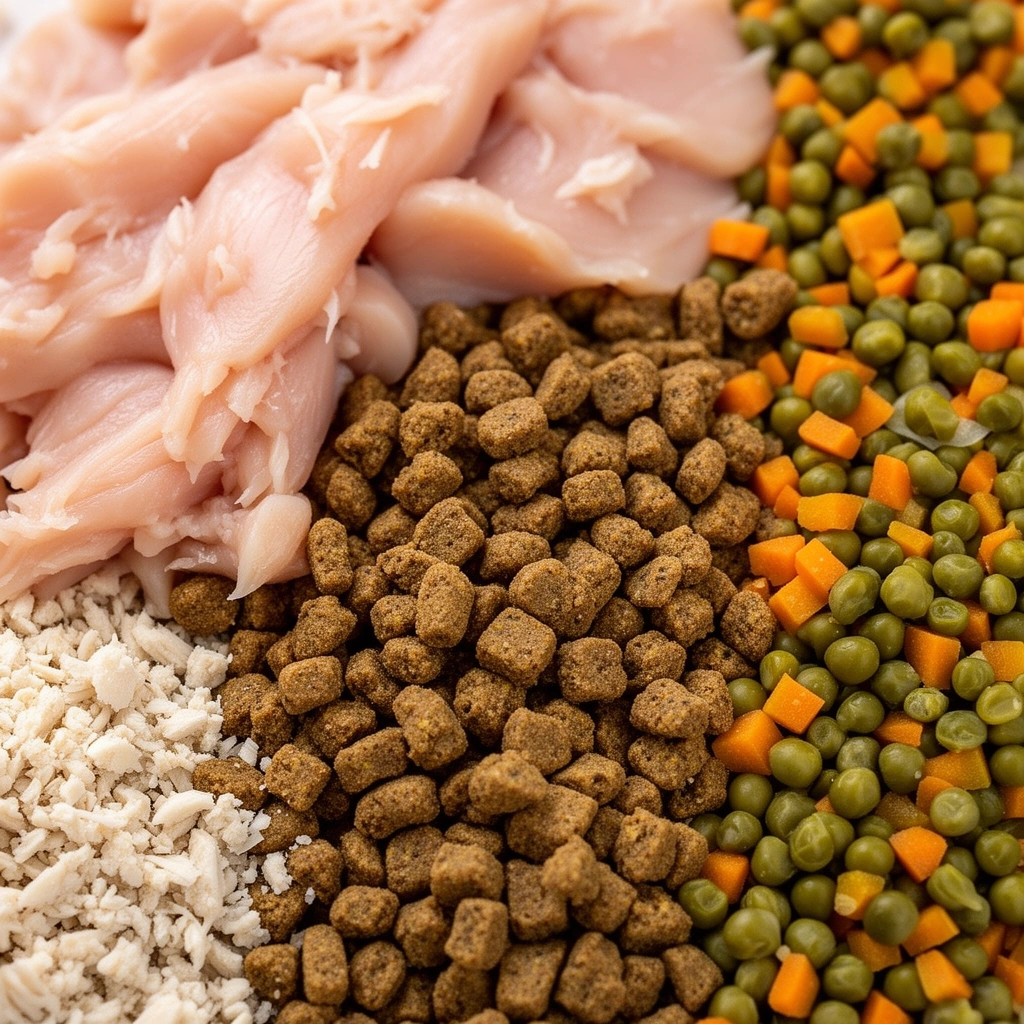
To make this delicious dish, you’ll need the following ingredients:
- 2 cups of skinless, boneless chicken breast
- 1 cup of chopped carrots
- 1 cup of green peas (fresh or frozen)
- 1 cup of spinach (fresh or frozen)
- 1 cup of brown rice
- 4 cups of low-sodium chicken broth
- 1 tablespoon of olive oil (optional)
Step-by-Step Recipe
Now, let’s get cooking! Follow these steps to whip up a batch of low fat chicken veggie dog food.
Prepare the Ingredients:
- Rinse your chicken breast and chop it into small, bite-sized pieces.
- Wash and chop your vegetables into small pieces.
Cook the Chicken:
- In a large pot, heat the olive oil over medium heat (if using).
- Add the chicken pieces and cook until they are no longer pink, about 5-7 minutes.
Add the Vegetables and Rice:
- Stir in the carrots, peas, and spinach.
- Add the brown rice and pour in the chicken broth.
Simmer:
- Bring the mixture to a boil, then reduce the heat to low.
- Cover and let it simmer for about 20-25 minutes, or until the rice is fully cooked and the vegetables are tender.
Cool and Serve:
- Allow the mixture to cool completely before serving it to your dog.
- Store any leftovers in the refrigerator for up to five days.
Tips for Success
- Introduce Gradually: If your dog is used to commercial food, introduce the homemade version gradually to avoid digestive upset.
- Consult Your Vet: Always check with your veterinarian before making significant changes to your dog’s diet.
- Store Properly: Use airtight containers to keep the food fresh.
Common Mistakes and How to Avoid Them
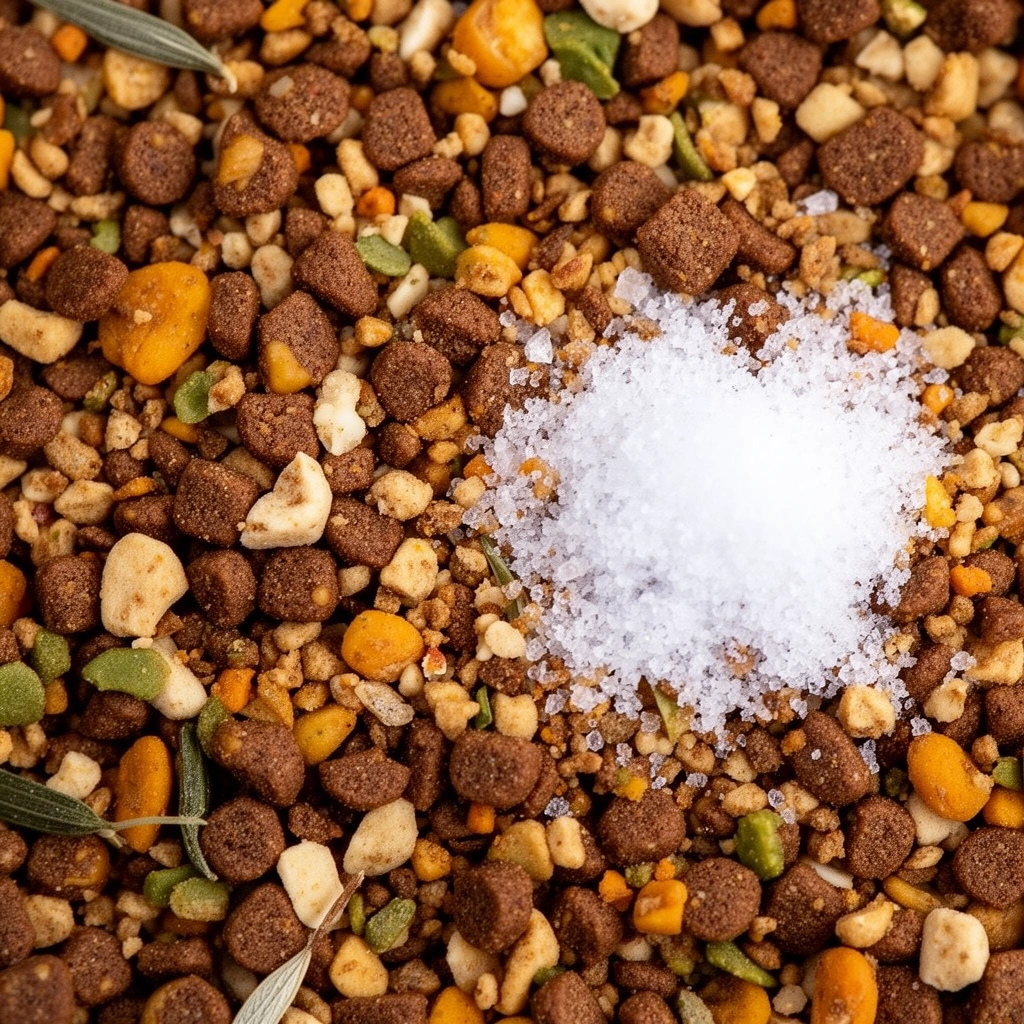
- Overseasoning: Avoid adding salt or spices, as they can be harmful to dogs. Stick to the natural flavors of the ingredients.
- Ignoring Allergies: Be aware of any food allergies your dog may have and adjust the recipe accordingly.
- Not Checking Ingredients: Ensure all ingredients are safe for dogs. For example, avoid onions and garlic, which can be toxic to pets.
Similar Variations
Want to switch things up? Here are some variations to consider:
- Different Proteins: Substitute chicken with turkey or lean beef.
- Alternate Vegetables: Try zucchini, green beans, or sweet potatoes for variety.
- Grain-Free Option: Use quinoa or omit grains altogether for a low-carb recipe.
Conclusion
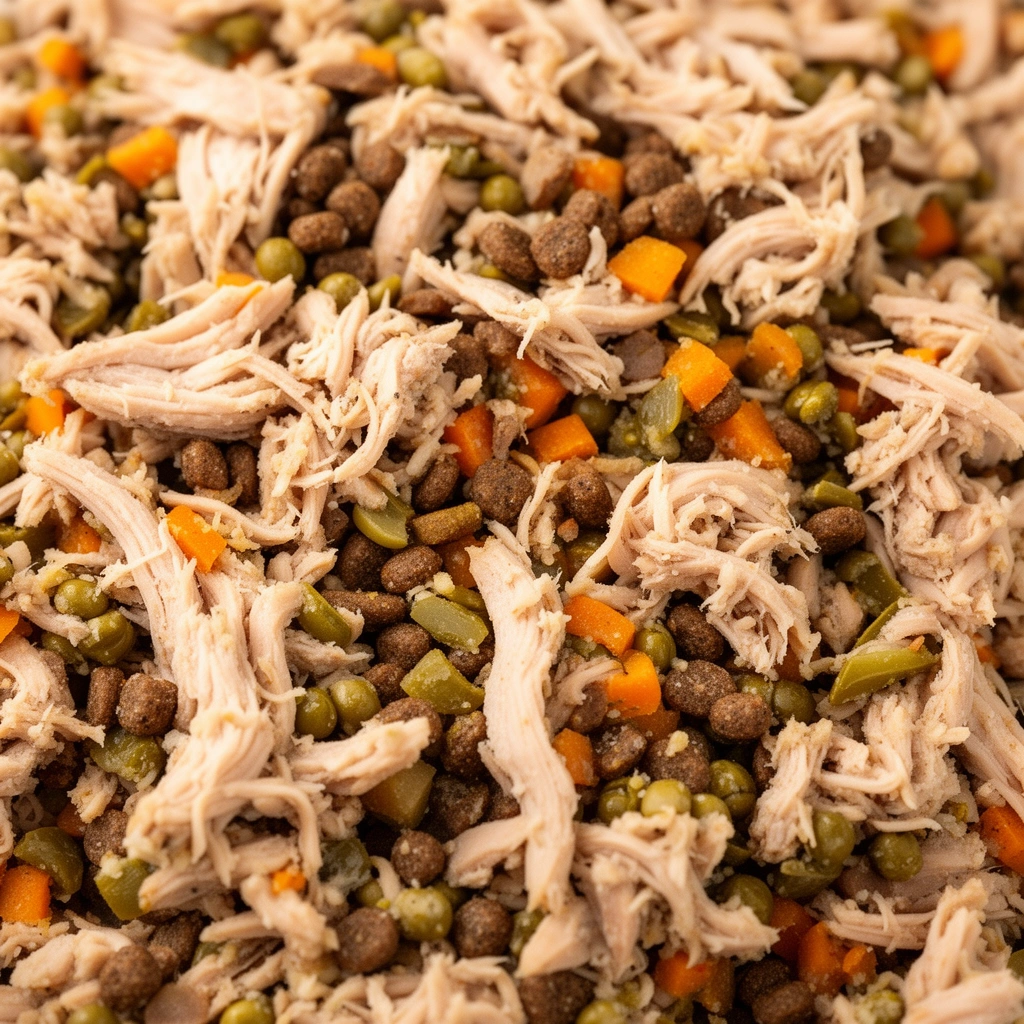
Making low fat chicken veggie dog food is a rewarding experience that benefits both you and your furry friend. With this easy-to-follow recipe, you can provide your dog with a nutritious meal tailored to their needs. Remember to keep it fresh, consult your vet, and enjoy the cooking process!
Incorporating homemade meals into your dog’s diet not only ensures they receive the best nutrients but also strengthens the bond between you and your pet. So, why not give this recipe a try today? Your pup will thank you for it!
By following the steps and tips outlined in this article, you can create a healthy and delicious meal that keeps your dog happy and healthy. Happy cooking!