Homemade Dog Food for Picky Eaters: A Comprehensive Guide
Are you tired of watching your furry friend turn their nose up at their food? Do you find yourself wondering, “How can I make homemade dog food that my picky eater will actually enjoy?” Well, you’ve come to the right place! In this article, I’ll guide you through creating delicious and nutritious homemade dog food recipes tailored for those finicky eaters. Let’s dive in and make mealtime a happy time for your dog!
Understanding Homemade Dog Food
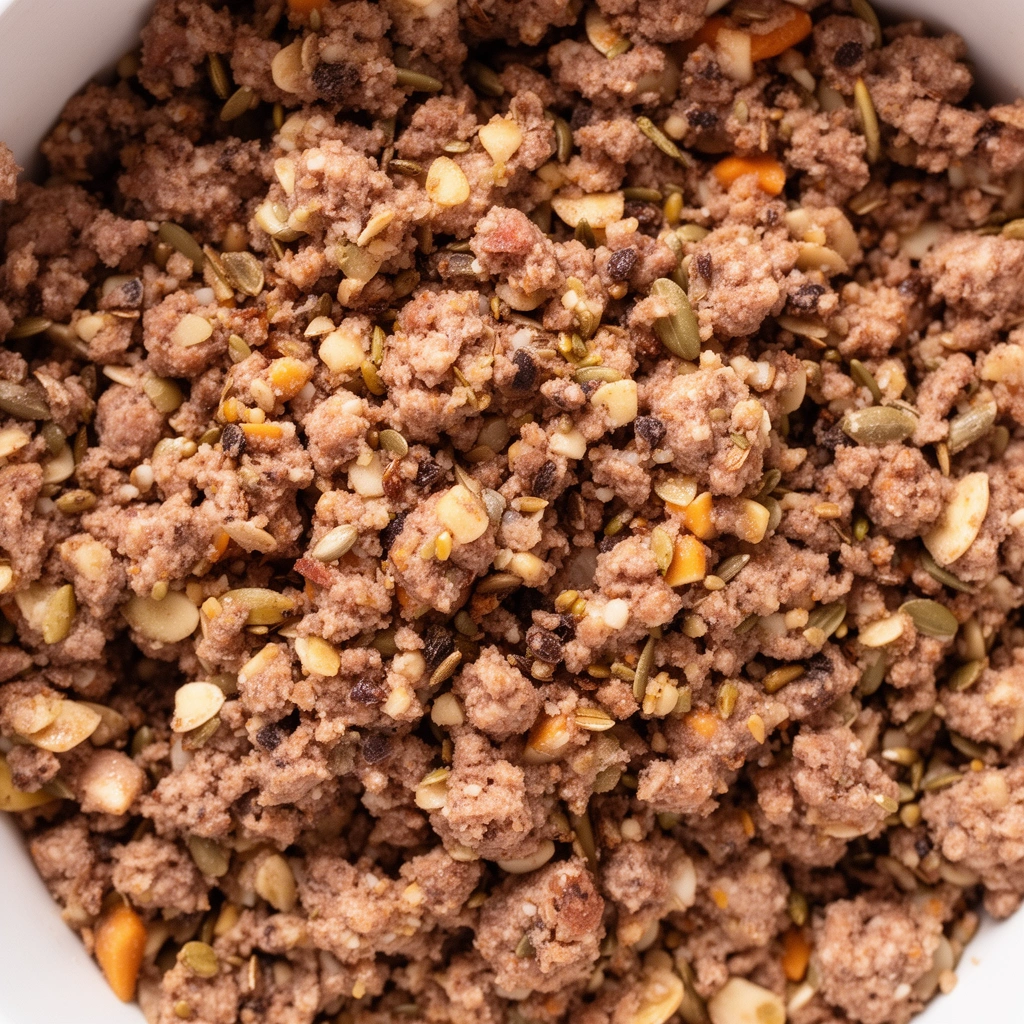
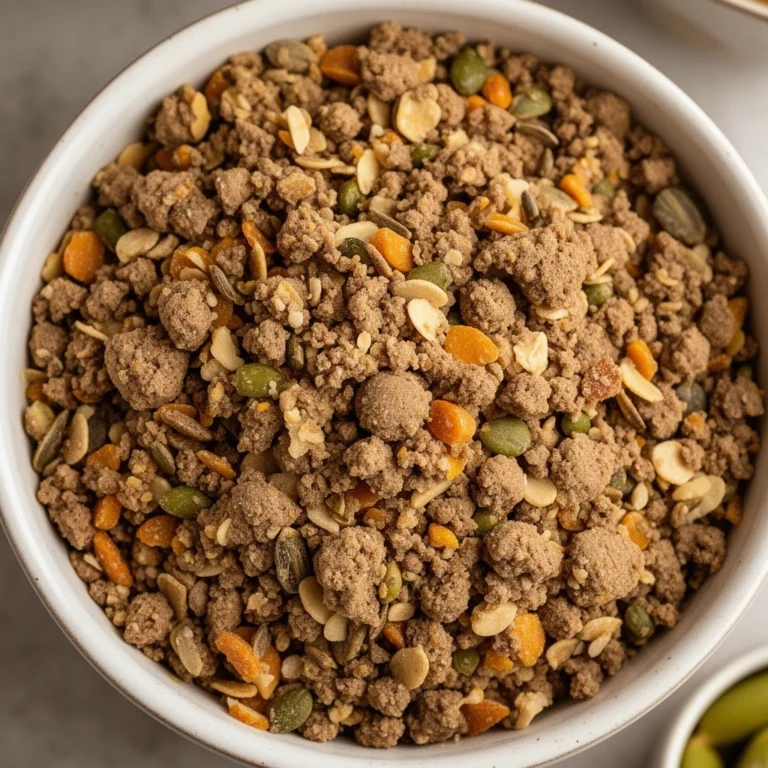
Homemade dog food refers to meals prepared at home, using fresh, wholesome ingredients, rather than relying on commercial dog food. This approach allows you to have complete control over what your dog eats, making it easier to cater to their taste preferences and dietary needs.
Key Terms to Know
- Picky Eater: A dog that is selective about their food and may refuse to eat certain brands or types of food.
- Nutritional Balance: The appropriate ratio of proteins, fats, carbohydrates, vitamins, and minerals that dogs need to stay healthy.
- Homemade Dog Food Recipes: Specific combinations of ingredients designed to provide balanced nutrition for dogs.
Why Homemade Dog Food is Ideal for Picky Eaters
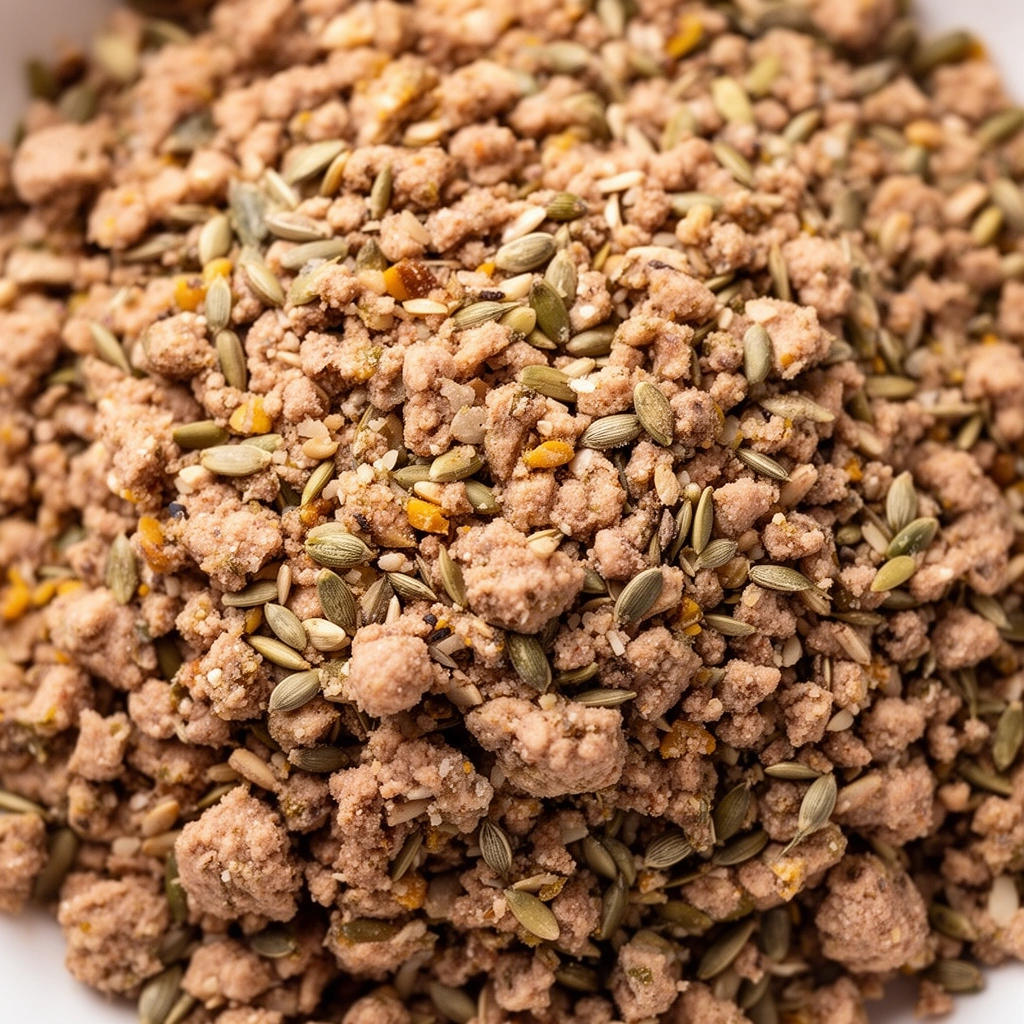
Making homemade dog food is not only a great way to ensure your dog is getting a balanced diet, but it also allows you to experiment with flavors and textures that appeal to your dog’s taste buds. Here are some reasons why homemade meals can be a game-changer:
- Customization: You can adjust the ingredients based on your dog’s preferences and dietary restrictions.
- Quality Control: You know exactly what goes into your dog’s food, ensuring it’s free from harmful additives and fillers.
- Variety: It allows you to mix and match different ingredients to keep your dog interested in their meals.
Steps to Create Homemade Dog Food for Picky Eaters
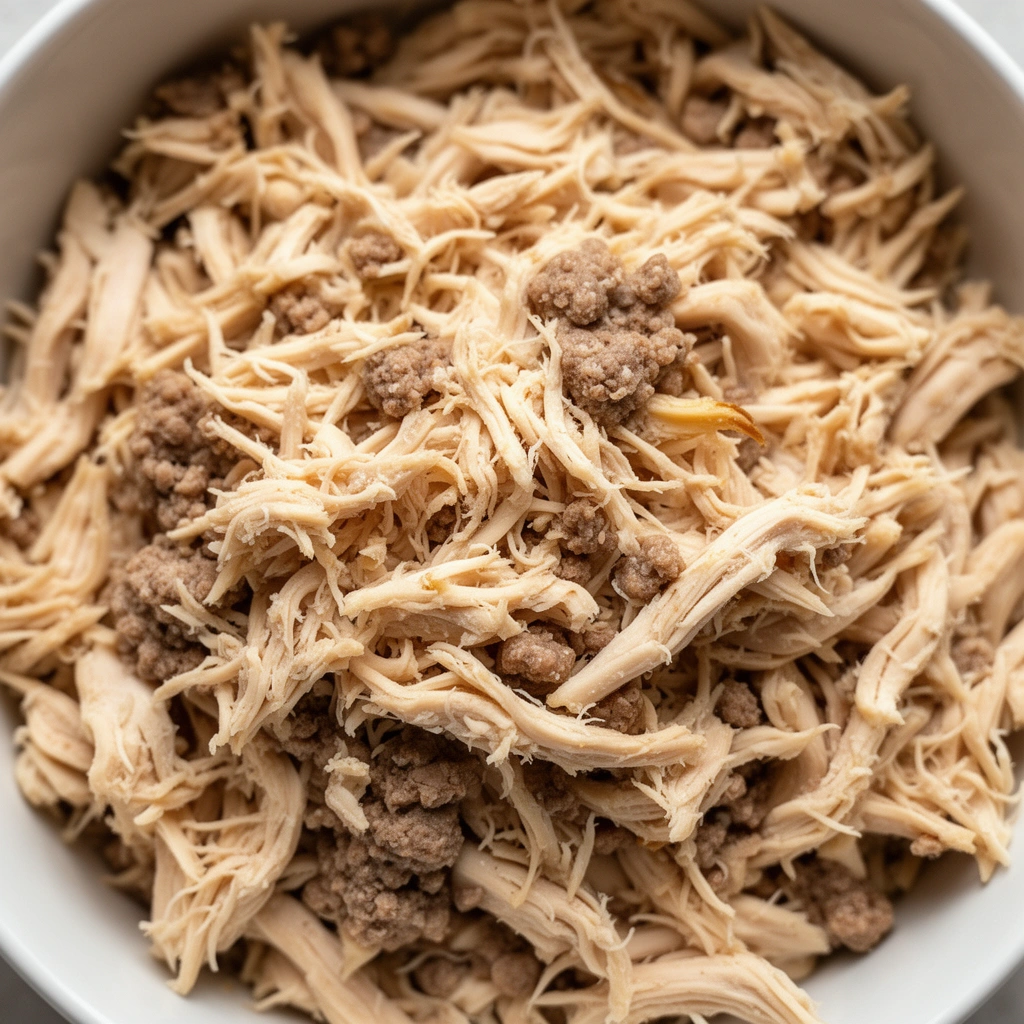
1. Choose Your Protein Source
Start with a high-quality protein as the base of your dog’s meal.
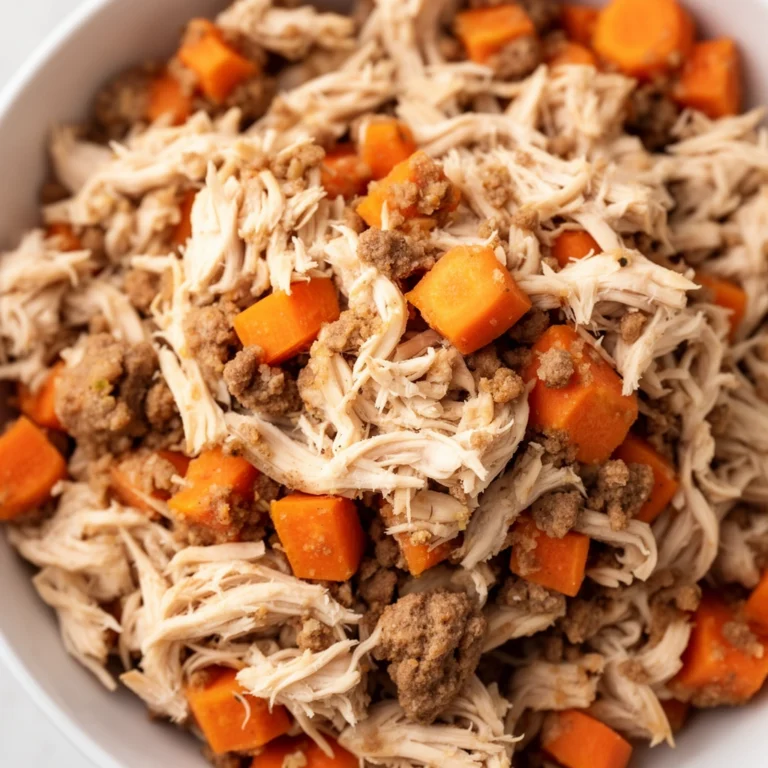
- Chicken: Cooked and shredded
- Turkey: Lean and cooked
- Beef: Ground or cubed, preferably lean
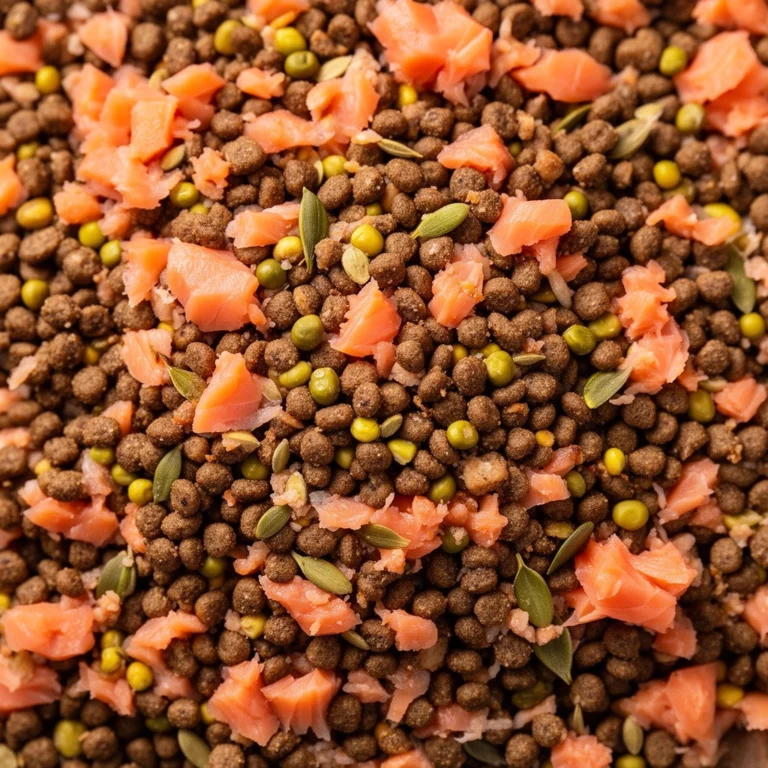
- Fish: Salmon or tuna, cooked and deboned
2. Add Some Carbohydrates
Next, incorporate some healthy carbs to provide energy.
- Rice: Brown or white, well-cooked
- Quinoa: Packed with nutrients, gluten-free
- Sweet Potatoes: Mashed or cubed, highly palatable
3. Include Vegetables
Adding vegetables can enhance the flavor and provide essential vitamins and minerals.
- Carrots: Cooked and chopped
- Green Beans: Steamed and chopped
- Spinach: Lightly steamed
4. Don’t Forget Healthy Fats
Healthy fats are essential for maintaining a shiny coat and good overall health.
- Olive Oil: A drizzle for added flavor
- Fish Oil: For omega-3 fatty acids
- Coconut Oil: A small amount can be beneficial
5. Mix It All Together
Combine all the ingredients in a large bowl. Make sure the mixture is well-combined and cooked through.
- Texture: Aim for a combination of moist and dry ingredients to entice your dog’s palate.
6. Serve and Store
- Serving Size: Offer an appropriate portion based on your dog’s size and activity level.
- Storage: Store leftovers in an airtight container in the fridge for up to three days, or freeze for later use.
Tips for Success
- Introduce Gradually: If your dog is used to commercial food, introduce homemade food gradually to avoid digestive upset.
- Monitor Reactions: Pay attention to how your dog reacts to new ingredients and adjust accordingly.
- Consult Your Vet: Always check with your veterinarian before making any significant changes to your dog’s diet, especially if they have health issues.
Common Mistakes and How to Avoid Them
- Not Balancing Nutrients: Ensure your recipes include a balance of proteins, carbs, and fats. A vet or pet nutritionist can help you formulate a balanced diet.
- Using Toxic Ingredients: Avoid ingredients that are harmful to dogs, such as onions, garlic, chocolate, and grapes.
- Not Considering Allergies: Keep an eye out for any allergies your dog may have to specific foods.
Similar Variations You Can Make
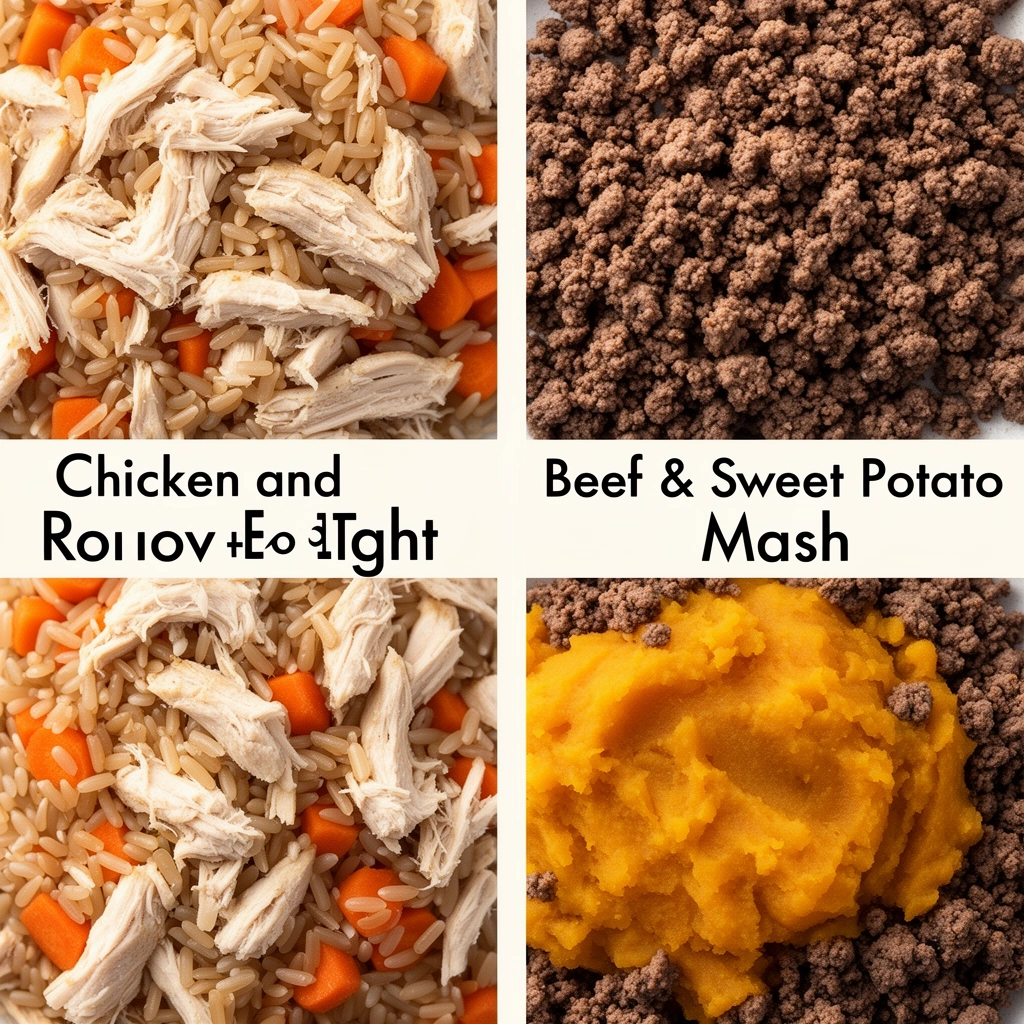
- Chicken and Rice Delight: Cooked chicken, brown rice, and carrots.
- Beef and Sweet Potato Mash: Ground beef, mashed sweet potatoes, and green beans.
- Fishy Feast: Canned tuna, quinoa, and peas.
Conclusion
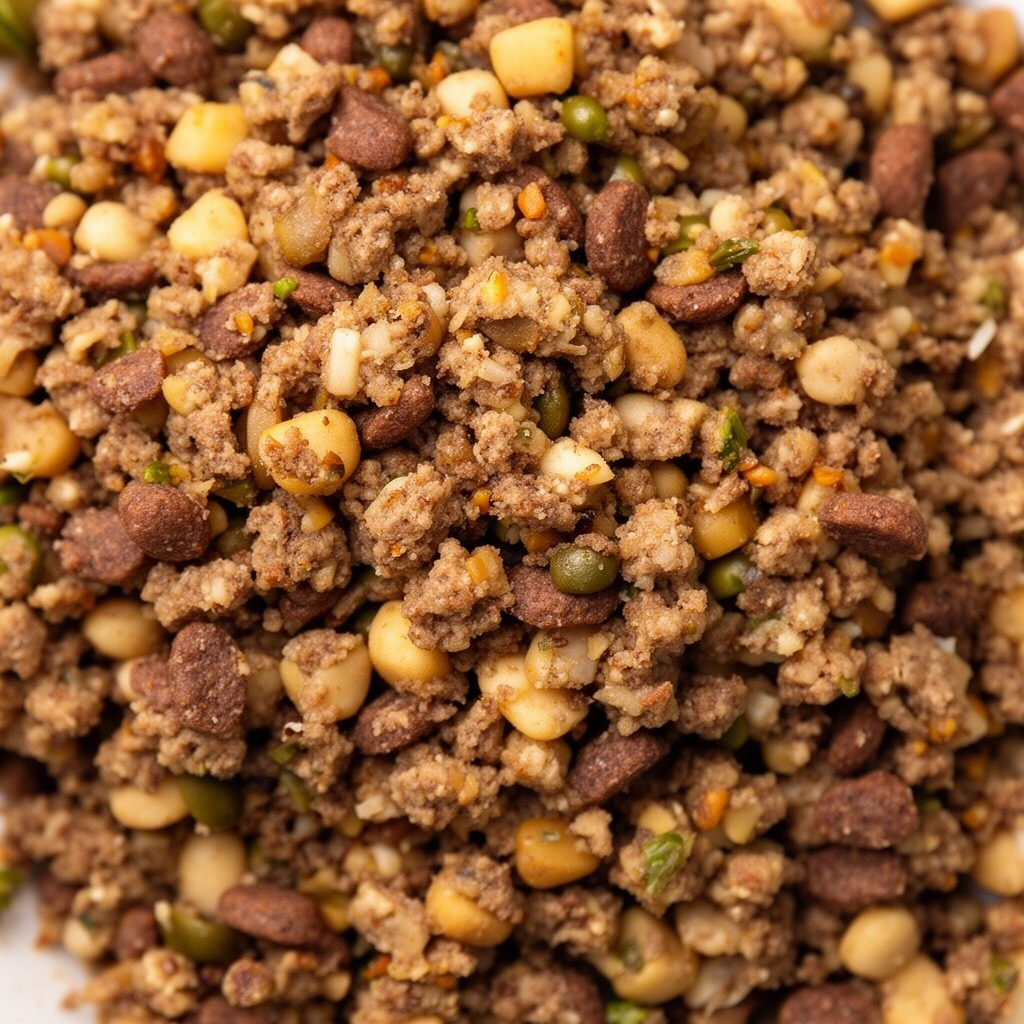
In conclusion, making homemade dog food for picky eaters can be a rewarding experience for both you and your furry friend. By choosing fresh, high-quality ingredients, you can create meals that are not only nutritious but also delicious. Remember to introduce new foods gradually and consult with your vet to ensure your dog’s dietary needs are met. So, roll up your sleeves and start experimenting in the kitchen—your picky eater will thank you!
If you found this guide helpful, don’t hesitate to share your own homemade dog food creations or any tips you’ve learned along the way. Let’s make mealtime a delightful experience for our beloved pets!
By focusing on a conversational tone, easy-to-understand language, and providing comprehensive information, this article aims to engage readers effectively while filling in the gaps left by competitors. Remember, making homemade dog food is not just about nutrition; it’s about creating a delightful experience for you and your furry companion!