Homemade Chicken Soup for Dogs: A Warm, Healing Bowl of Love
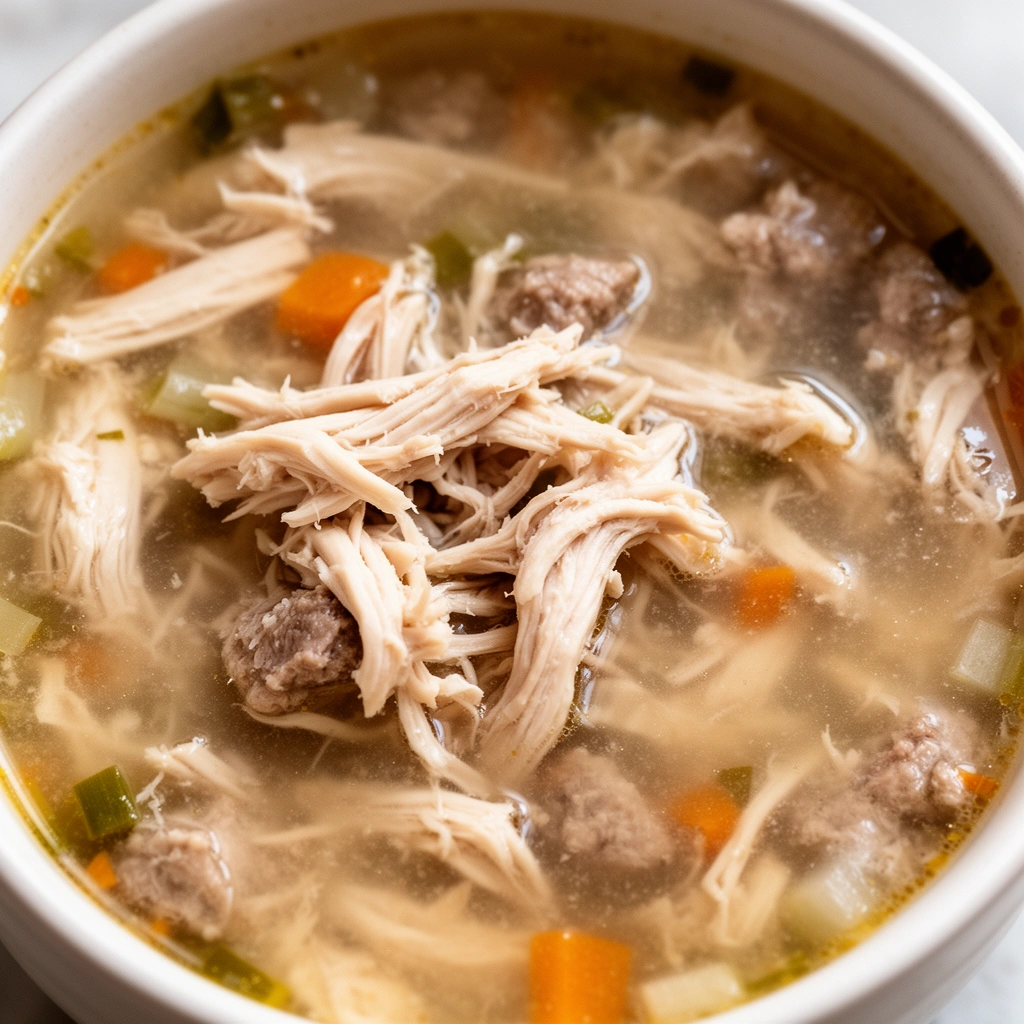
Ever watched your pup turn their nose up at kibble when they’re feeling under the weather? I’ve been there, and that’s exactly why homemade chicken soup for dogs became a staple in my kitchen. It’s gentle on upset tummies, packed with nutrients, and honestly, it smells so good you might want a bowl yourself. Let’s get into everything you need to know to make this cozy, healing meal for your four-legged friend.
Why Chicken Soup Works Wonders for Dogs
Chicken soup isn’t just a human comfort food myth. For dogs, it actually does a lot of heavy lifting nutritionally and medicinally. When a dog is recovering from surgery, dealing with an upset stomach, or just feeling a little off, this soup gives their body something easy to digest while still delivering protein, hydration, and vitamins.
Here’s the thing my competitors often skip: chicken soup isn’t a cure-all. It’s a supportive food, not a replacement for veterinary care. If your dog has been vomiting for more than a day, has diarrhea with blood, or seems lethargic beyond a day or two, please call your vet before reaching for the soup pot.
That said, for mild tummy troubles, post-surgery recovery, or just a nutritious treat, this soup checks all the boxes. It’s hydrating, low in fat when made correctly, and dogs genuinely love the taste.
Key Terms You Should Know
Before we dive into the recipe, let’s clear up some terms you’ll see throughout this guide.
Bone broth
: A liquid made by simmering bones (often with skin and connective tissue) for an extended time, releasing collagen, gelatin, and minerals.
Aromatics
: Vegetables and herbs added for flavor, like carrots, celery, and parsley. Not all aromatics are dog-safe.
Bland diet
: A simple, low-fat, easily digestible meal often recommended by vets for dogs with digestive upset. Chicken and rice fall into this category.
Rendered fat
: The fat that separates from meat during cooking. Too much of this in your dog’s soup can trigger pancreatitis, so it needs to be skimmed off.
Toxic aromatics
: Ingredients like onions, garlic, chives, and leeks that are common in human soups but dangerous for dogs, even in small amounts.
Ingredients You’ll Need
Here’s what goes into a safe, nutritious batch of homemade chicken soup for dogs.
- 2 pounds boneless, skinless chicken breast or thighs (skin and bones can be used for broth but removed before serving)
- 8 cups of water
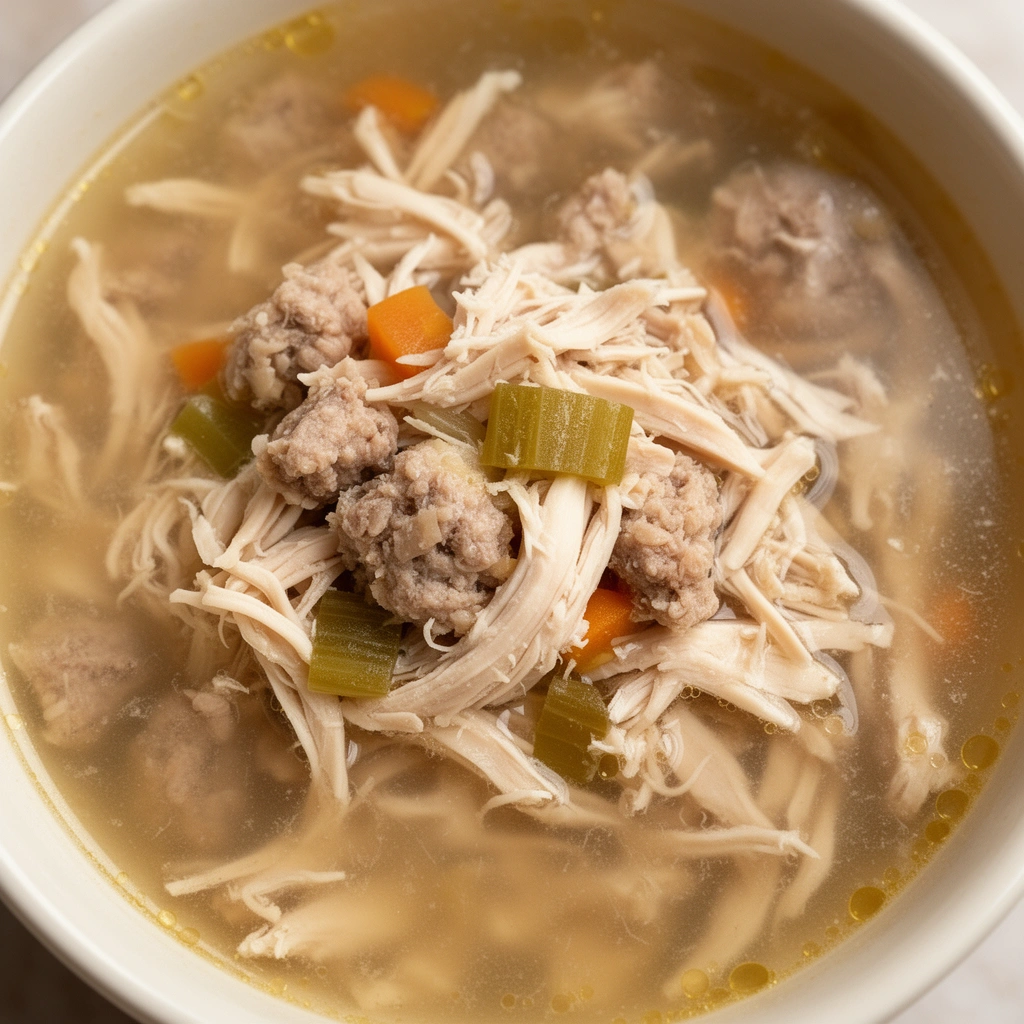
- 2 medium carrots, peeled and diced
- 2 celery stalks, chopped (leaves removed, they can be a choking hazard)
- 1 cup peeled, diced sweet potato or pumpkin (not the spiced pie filling)
- 1/2 cup peas (fresh or frozen, no need to thaw)
- 1/4 cup chopped fresh parsley (helps with fresh breath and is a natural diuretic)
- Optional: a splash of plain, unsweetened bone broth for extra flavor
Notice what’s missing? No onions, no garlic, no salt, no pepper, no bouillon cubes. These are staples in human chicken soup recipes but they’re a hard no for your dog’s bowl.
Step-by-Step: How to Make Homemade Chicken Soup for Dogs
Making this soup doesn’t require any fancy skills. Just patience and a big pot.
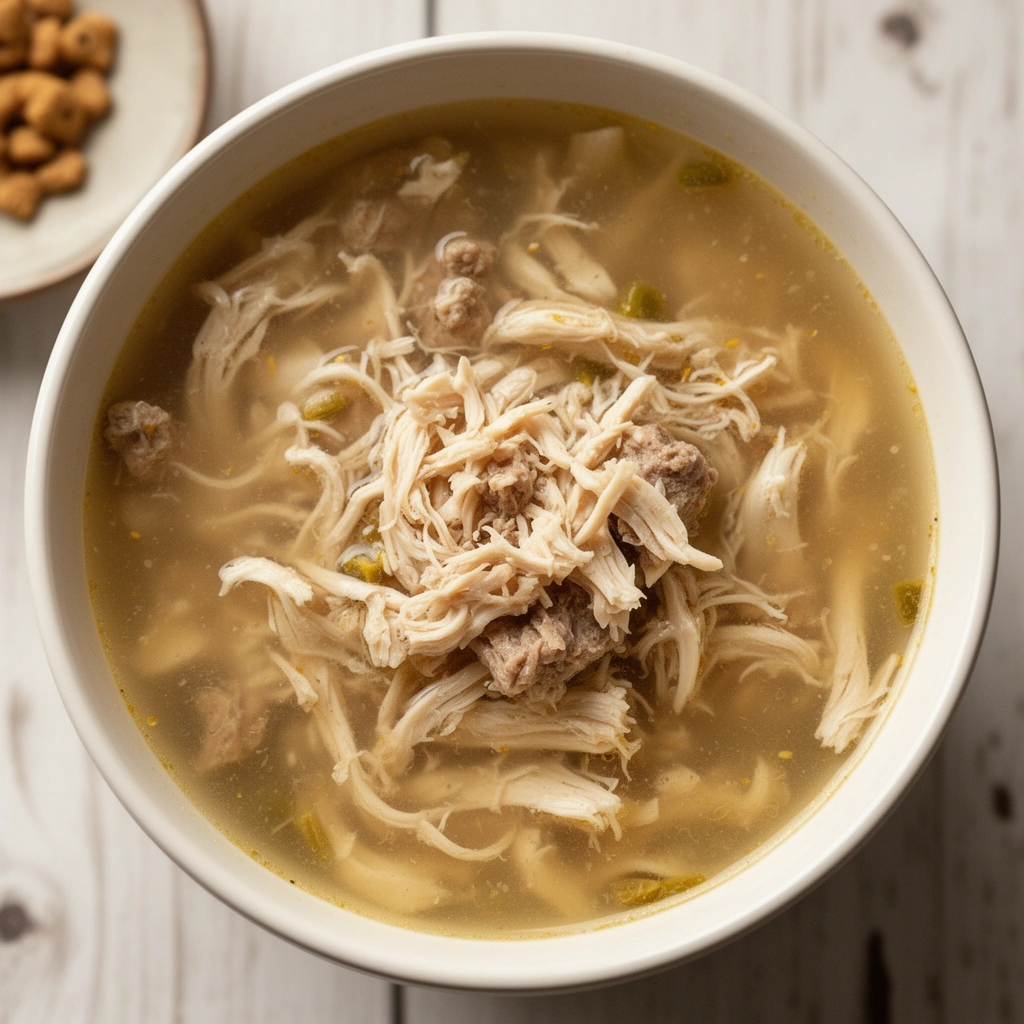
- Step 1: Prep your chicken. Trim any excess fat from the chicken. Cut it into smaller chunks so it cooks evenly and faster.
- Step 2: Start the simmer. Place the chicken in a large pot and cover with water. Bring it to a gentle boil, then reduce to a low simmer.
- Step 3: Skim the fat. As it cooks, you’ll notice foam and fat rising to the top. Skim this off with a spoon every few minutes. This step matters more than most recipes admit, too much fat can upset your dog’s stomach or worse, trigger pancreatitis.
- Step 4: Add your vegetables. Once the chicken has simmered for about 20 minutes, toss in the carrots, celery, and sweet potato. Let everything cook together for another 20 to 25 minutes, or until the chicken is fully cooked and the veggies are soft.
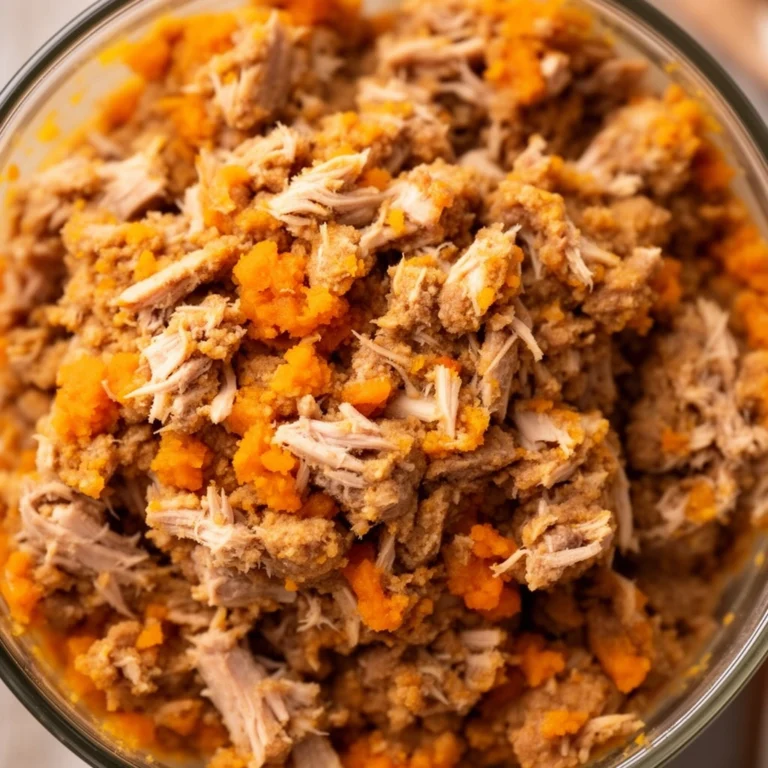
- Step 5: Shred the chicken. Remove the chicken pieces, let them cool slightly, then shred or chop into small, bite-sized pieces. Return the shredded meat to the pot.
- Step 6: Add the peas and parsley. Stir these in during the last five minutes of cooking. They don’t need long to soften.
- Step 7: Cool completely. Never serve hot soup to your dog. Let it cool to room temperature before offering a bowl.
- Step 8: Portion and store. Divide into meal-sized portions based on your dog’s weight and appetite.
How Much Should You Feed Your Dog?
This is a detail a lot of recipe articles gloss over, and it matters. A tiny Chihuahua doesn’t need the same portion as a Labrador.
- Small dogs (under 20 lbs): 1/4 to 1/2 cup per meal
- Medium dogs (20-50 lbs): 1/2 to 1 cup per meal
- Large dogs (50-90 lbs): 1 to 2 cups per meal
- Giant breeds (90+ lbs): 2 to 3 cups per meal
If this soup is replacing a full meal during recovery, talk to your vet about balancing it with your dog’s regular nutritional needs over the following days. Soup alone shouldn’t be a long-term diet.
Storing and Freezing Your Batch
One thing that’s often left out of homemade dog food recipes is proper storage guidance. Here’s how to keep your soup fresh and safe.
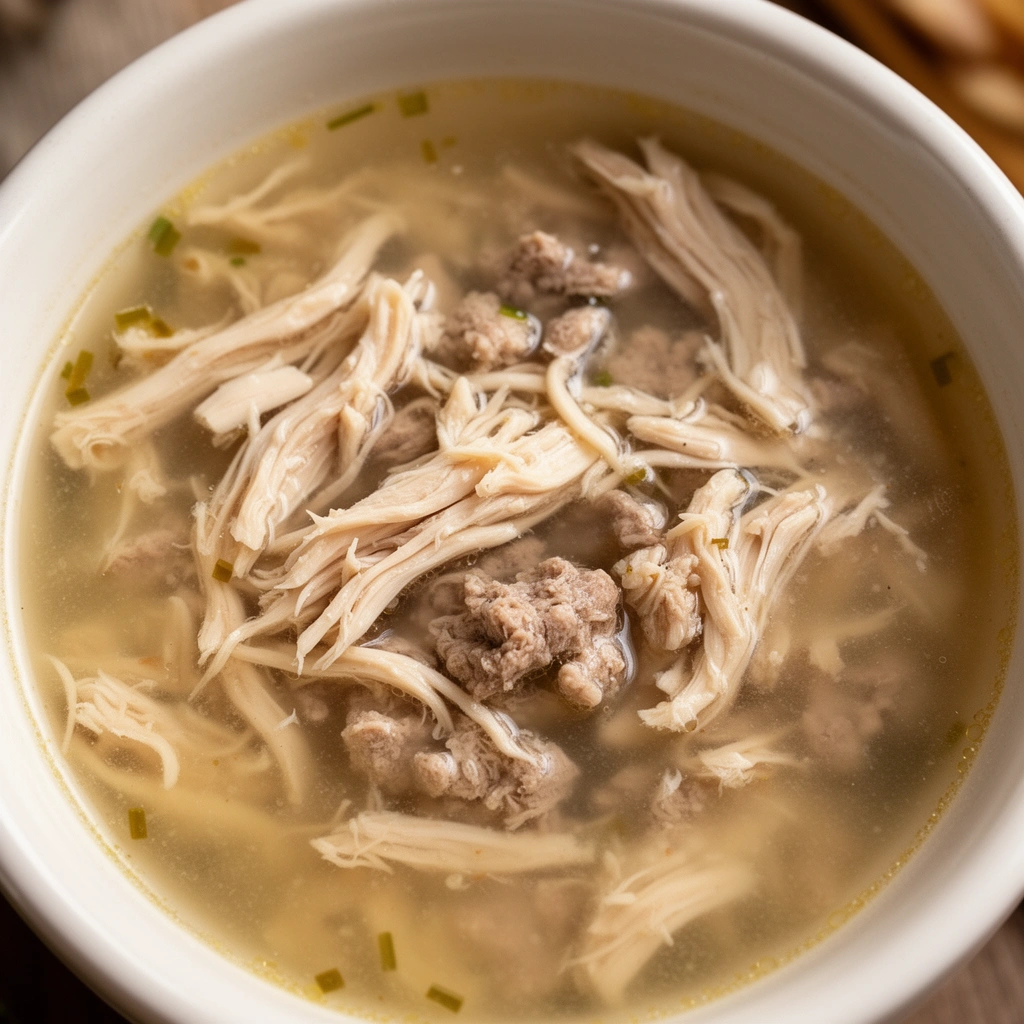
- Refrigerate in an airtight container for up to 4 days.
- Freeze in ice cube trays or small containers for portion control, good for up to 3 months.
- Thaw overnight in the fridge, never at room temperature, to avoid bacterial growth.
- Always reheat gently and let cool before serving.
Tips for Success
- Use low-sodium or no-sodium broth if you’re adding extra liquid. Dogs are sensitive to sodium in ways humans aren’t.
- Choose organic or free-range chicken when possible to avoid added hormones or antibiotics.
- Cook vegetables until soft. Dogs don’t chew as thoroughly as we do, so softer pieces digest easier.
- Introduce the soup slowly if your dog has never had it before. Start with a small portion to check for any allergic reaction.
- Keep a food journal if your dog has chronic digestive issues. Note how they react to each ingredient.
Common Mistakes and How to Avoid Them
Mistake: Adding onion or garlic for flavor
: Fix: Skip these entirely. Even garlic powder in small amounts can build up toxicity over time in dogs.
Mistake: Serving the soup too hot
: Fix: Always cool to room temperature. A dog’s mouth and throat can be burned just like ours.
Mistake: Leaving too much fat in the broth
: Fix: Skim regularly during cooking, and consider refrigerating the broth first so fat solidifies on top and can be removed easily.
Mistake: Using bouillon cubes or canned broth
: Fix: These are loaded with sodium and often contain onion powder. Stick to homemade, plain broth.
Mistake: Overfeeding as a treat
: Fix: This soup is nutrient-dense but shouldn’t replace balanced meals long-term. Treat it as a recovery food or occasional addition.
Variations You Can Try
Once you’ve mastered the base recipe, there’s plenty of room to switch things up depending on your dog’s needs.
- Low-fat version: Use only chicken breast, skip the skin entirely, and reduce simmer time slightly to limit fat rendering.
- Grain-added version: Stir in cooked white rice or plain oatmeal for dogs needing extra calories or firmer stool.
- Green version: Add spinach or steamed green beans in place of peas for dogs needing lower-calorie options.
- Turkey swap: Replace chicken with lean ground turkey for dogs with poultry sensitivities to chicken specifically (rare, but it happens).
- Bone broth boost: Simmer chicken bones separately for 8-12 hours beforehand, strain, and use that liquid as your soup base for extra joint-supporting collagen.
Wrapping It Up
Homemade chicken soup for dogs is one of those recipes that feels like a warm hug in a bowl, both for you and your pup. It’s simple, forgiving, and adaptable to whatever your dog needs, whether that’s recovery food after being sick, a gentle addition to their regular diet, or just a special treat on a rainy afternoon.
Just remember the basics: skip the onions and garlic, skim that fat, cool it down before serving, and always loop in your vet if something seems off. Do that, and you’ve got a reliable, nourishing recipe that’ll have your dog’s tail wagging every single time you pull out that soup pot.