Homemade Chicken and Rice Dog Food Recipe: The Complete Guide Your Vet Wishes You’d Read
Ever wonder if the food in your dog’s bowl is actually good for them? I asked myself that same question a few years back, staring at a bag of kibble with ingredients I couldn’t even pronounce. That’s when I started making homemade chicken and rice dog food, and honestly, it changed everything about how I feed my pup.
This isn’t just another recipe you’ll skim and forget. I’m going to walk you through everything—the stuff other articles gloss over, like how to balance nutrients, store batches safely, and adjust portions for your dog’s actual size. By the end, you’ll know exactly how to make a meal that’s tasty, safe, and nutritionally sound.
What Exactly Is Homemade Chicken and Rice Dog Food?
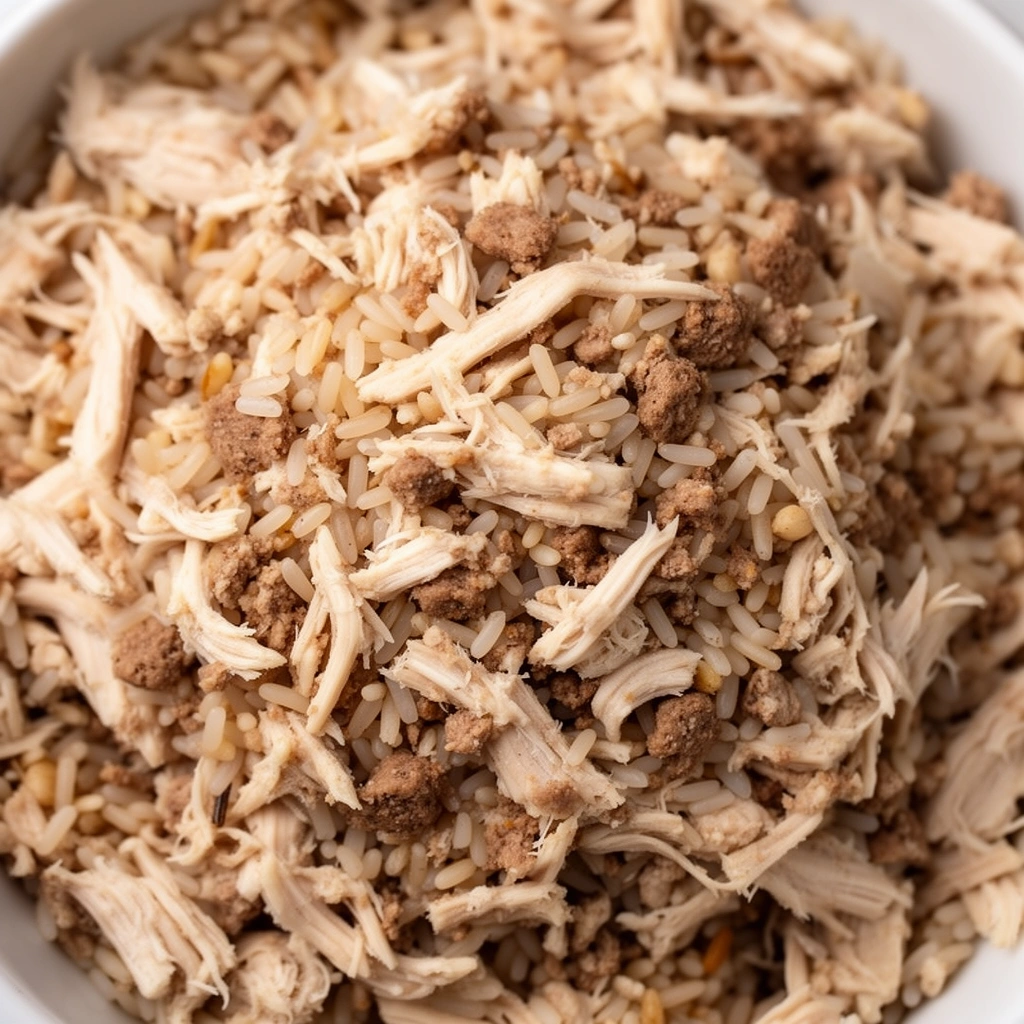
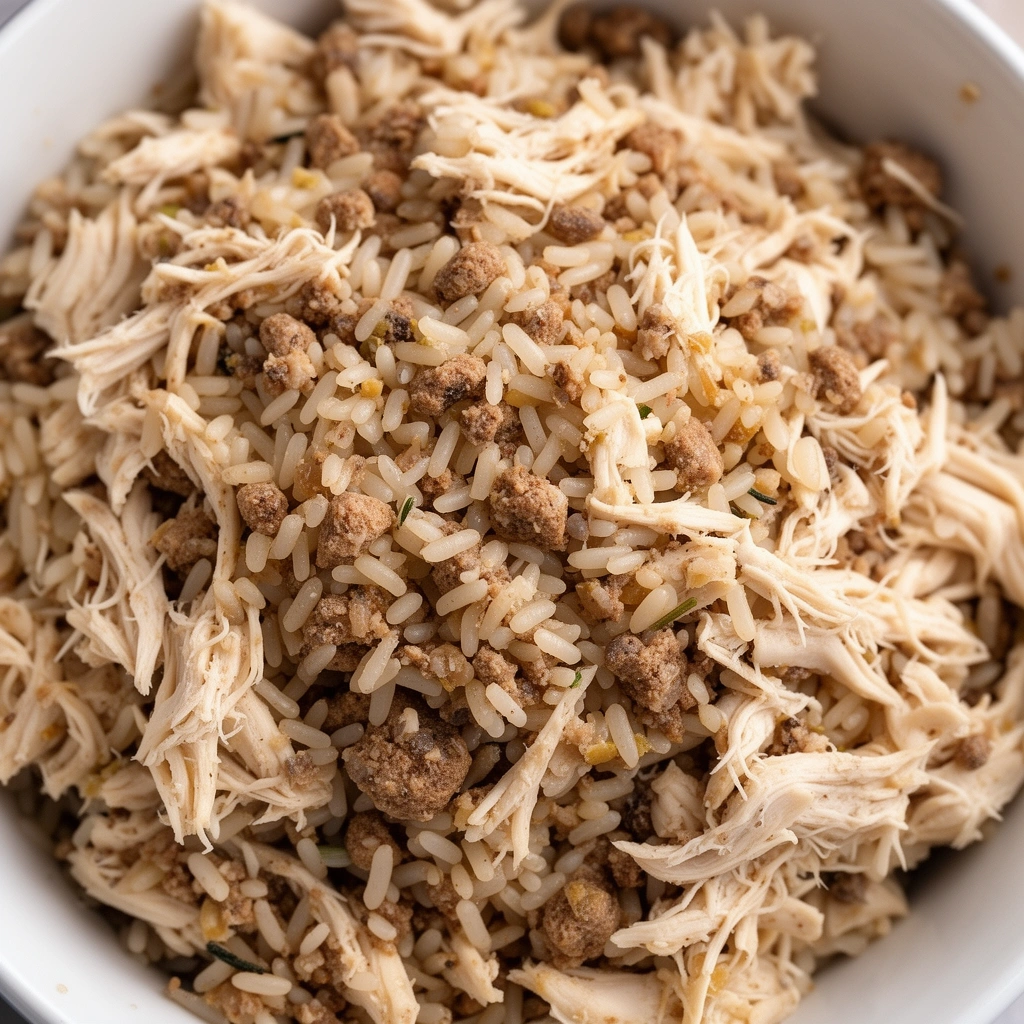
Chicken and rice dog food is a simple, gentle meal made from lean protein and easily digestible carbs. Vets often recommend it for dogs with upset stomachs, but it works great as a regular meal too, as long as you add the right extras.
Here’s the thing most articles skip: plain chicken and rice alone isn’t a complete diet. Dogs need fat, fiber, calcium, and specific vitamins that chicken breast and white rice just don’t provide. I’ll show you how to fix that gap later in this guide, so your dog gets more than just filler.
Key Terms You Should Know
Complete diet
: A meal that contains all the nutrients a dog needs—protein, fat, carbs, vitamins, and minerals—in the right proportions for daily health.
Bland diet
: A short-term, low-fat, low-fiber meal (usually chicken and rice) used to settle a dog’s stomach during illness.
Calcium-phosphorus ratio
: The balance between two minerals that’s critical for bone health. Homemade diets often lack enough calcium unless you add a supplement.
Rendered fat
: Fat that separates from meat during cooking. Skimming this off keeps the meal leaner and easier to digest.
Rotational feeding
: Switching between different homemade recipes or proteins over time to avoid nutrient gaps and reduce allergy risks.
Ingredients You’ll Need
Before you start cooking, gather these items. I’ve added a few things competitors often forget, like calcium sources and healthy fats.
- 2 cups boneless, skinless chicken breast or thigh (thigh has more natural fat)
- 1 cup white or brown rice (brown rice has more fiber, but cook it longer)
- 1 cup chopped carrots
- 1/2 cup chopped green beans or peas
- 1 tablespoon fish oil or salmon oil (for omega-3s)
- 1 teaspoon calcium powder or crushed eggshell (for bone health)
- 2 cups low-sodium chicken broth or water
- A pinch of turmeric (optional, for joint support)
Step-by-Step Cooking Process
Making this meal isn’t complicated, but the order and details matter for both safety and nutrition.
- Boil the chicken first. Place the chicken in a pot, cover with water or broth, and bring to a boil. Reduce heat and simmer for about 20 minutes until fully cooked. Never serve raw or undercooked chicken to your dog—salmonella is a real risk.
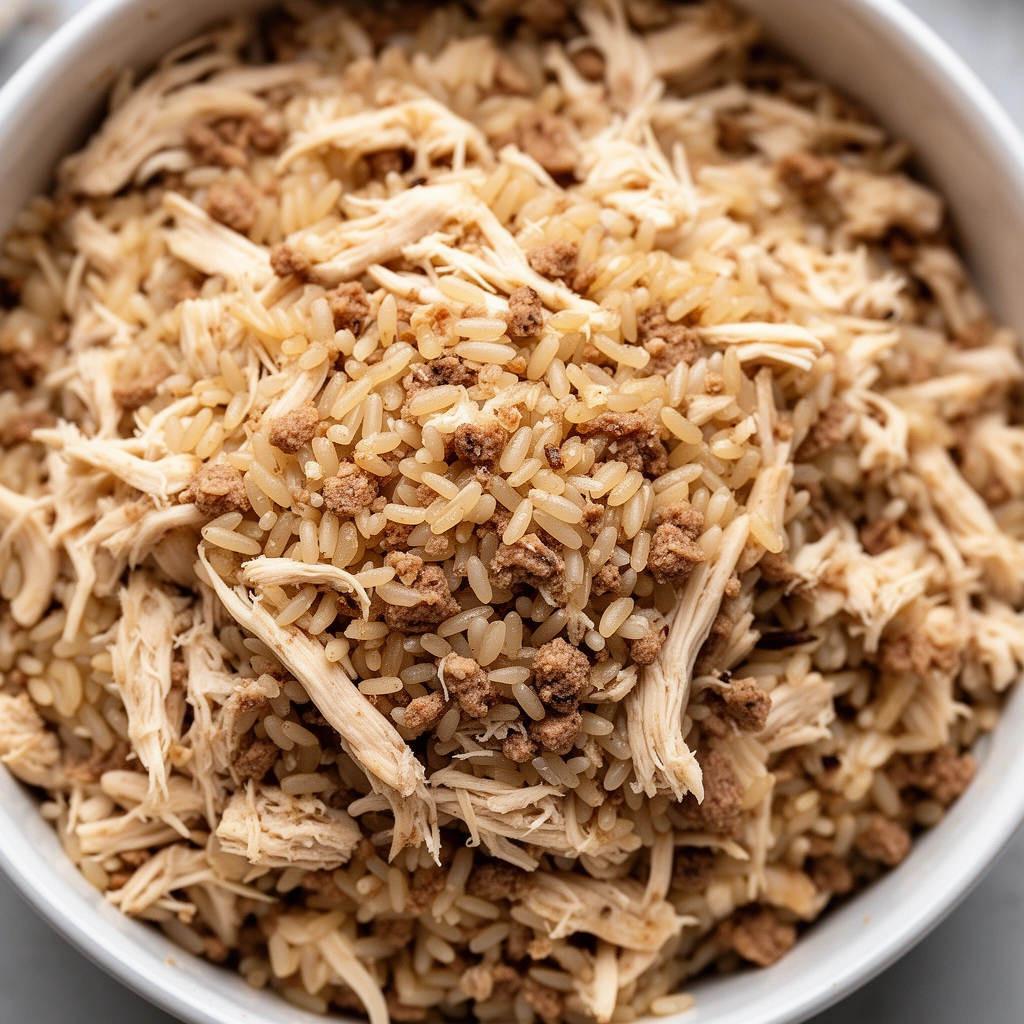
- Shred or dice the chicken. Once cooled slightly, cut it into bite-sized pieces or shred it with two forks. Smaller dogs need smaller pieces to avoid choking.
- Cook the rice separately. Use the leftover broth from the chicken pot to cook your rice—it adds flavor and nutrients. Simmer until soft and fully absorbed.
- Steam the vegetables. Carrots and green beans should be steamed until soft, not raw. Raw veggies are harder for dogs to digest and can cause blockages if chopped too large.
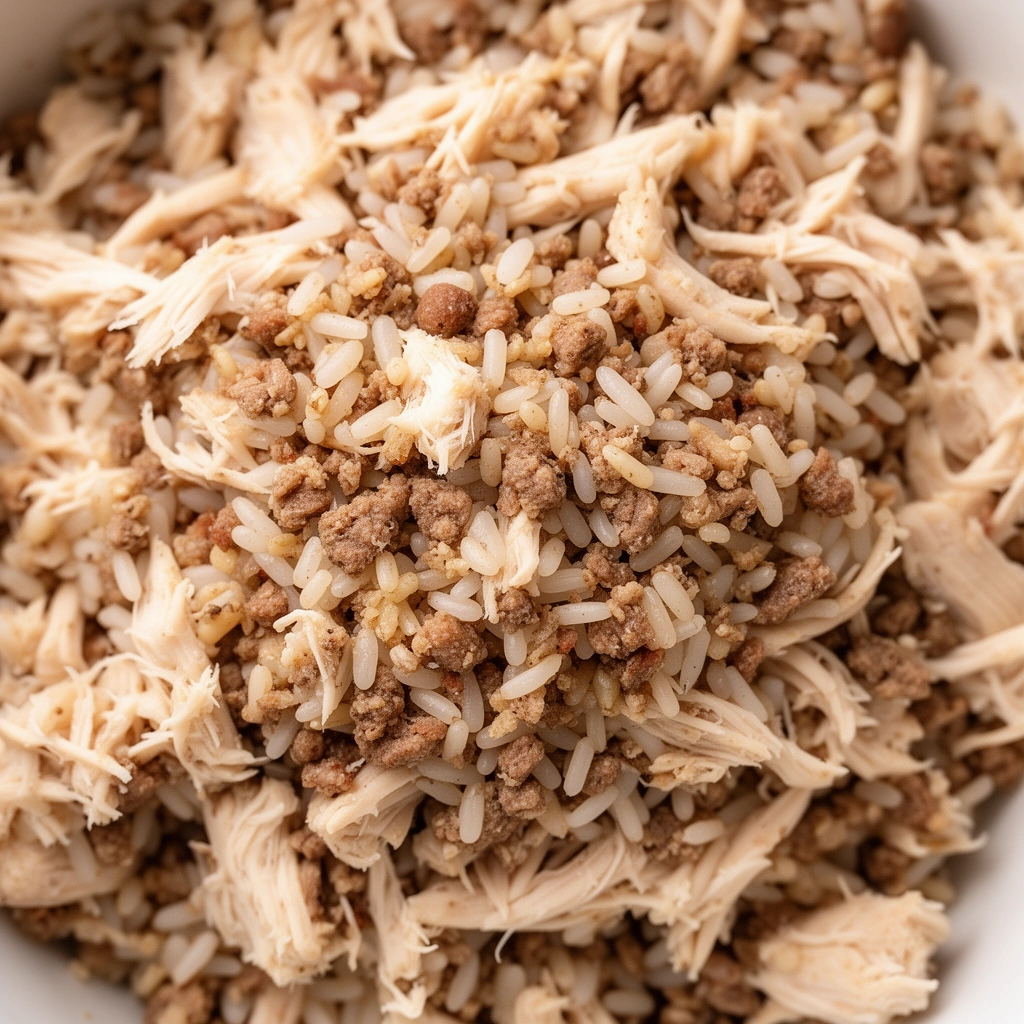
- Combine everything in a large bowl. Mix the chicken, rice, and vegetables together while warm, but not hot.
- Add your extras. Stir in the fish oil, calcium powder, and turmeric once the mixture has cooled a bit. Adding oil to hot food can break down some nutrients.
- Cool completely before serving. Never give your dog hot food—it can burn their mouth and throat.
How Much Should You Feed?
This is where a lot of recipes fall short. They give you the ingredients but never explain portions. Here’s a simple guideline based on your dog’s weight:
- Small dogs (under 20 lbs): 3/4 to 1 cup per day, split into two meals
- Medium dogs (20-50 lbs): 1.5 to 2.5 cups per day, split into two meals
- Large dogs (50-90 lbs): 3 to 4 cups per day, split into two meals
- Extra-large dogs (90+ lbs): 4.5 cups or more, adjusted based on activity level
Always check with your vet before making this a full-time diet. Every dog’s calorie needs differ based on age, activity, and health conditions.
Storing and Freezing Your Batch
I make big batches on Sundays and freeze portions for the week. Here’s how to keep it fresh and safe:
- Store in the fridge for up to 4 days in an airtight container
- Freeze portions in individual containers or freezer bags for up to 3 months
- Thaw overnight in the fridge, never at room temperature
- Reheat gently or serve cold—dogs don’t need warm food
Tips for Success
- Use a food scale for accurate portions instead of guessing with cups
- Rotate protein sources occasionally (turkey, beef) to prevent nutrient gaps and food boredom
- Add a vet-approved multivitamin if you’re feeding this long-term instead of as an occasional meal
- Keep a feeding journal to track your dog’s weight and energy levels after switching diets
- Introduce homemade food slowly over 5-7 days to avoid stomach upset
Common Mistakes and How to Avoid Them
Mistake: Feeding only chicken and rice long-term without supplements
Fix: Add calcium and omega-3 sources every single time you cook a batch. This isn’t optional for daily feeding.
Mistake: Using seasoned or salted chicken broth
Fix: Always buy low-sodium, onion-free broth. Onion and garlic are toxic to dogs, even in small amounts.
Mistake: Skipping the vet consultation
Fix: Talk to your vet before switching your dog to a homemade diet permanently, especially if they have existing health issues.
Mistake: Overfeeding rice and underfeeding protein
Fix: Keep the ratio close to 40% protein, 30% carbs, and 30% vegetables for balance.
Mistake: Not cooling food before storage
Fix: Let food reach room temperature before refrigerating or freezing to avoid bacteria growth from trapped steam.
Similar Variations You Can Try
Once you’ve mastered the basic recipe, mix things up to keep your dog interested and cover more nutritional bases.
- Turkey and quinoa: Swap chicken for turkey and rice for quinoa for a protein and fiber boost
- Beef and sweet potato: Great for dogs needing more iron and a different flavor profile
- Salmon and brown rice: Excellent for dogs with skin allergies, thanks to the omega-3 content
- Chicken and pumpkin: Add pumpkin puree instead of some vegetables for digestive support
- Low-fat senior version: Use skinless chicken breast only and reduce oil for older dogs with slower metabolisms
Wrapping It Up
Making homemade chicken and rice dog food isn’t just about following a recipe—it’s about understanding what your dog actually needs to thrive. I’ve shown you the full process, from cooking to storage, portion sizes, and even the mistakes that trip up most first-time cooks.
Give this recipe a try, watch how your dog responds, and don’t be afraid to tweak it based on their energy and digestion. A little effort in the kitchen goes a long way toward a happier, healthier pup.