Dehydrated Pumpkin for Dogs: A Complete Guide to Making This Tasty Treat at Home
Ever caught your dog staring at you with those big, hopeful eyes while you’re carving a pumpkin for Halloween? I have. And that’s actually how I got curious about dehydrated pumpkin for dogs in the first place. Turns out, this humble orange squash isn’t just for jack-o’-lanterns. It’s packed with fiber, vitamins, and stuff that can genuinely help your pup’s tummy troubles. Today, I’m walking you through everything I’ve learned about making this treat at home, why it matters, and how to avoid the mistakes I made along the way.
What Exactly Is Dehydrated Pumpkin for Dogs?
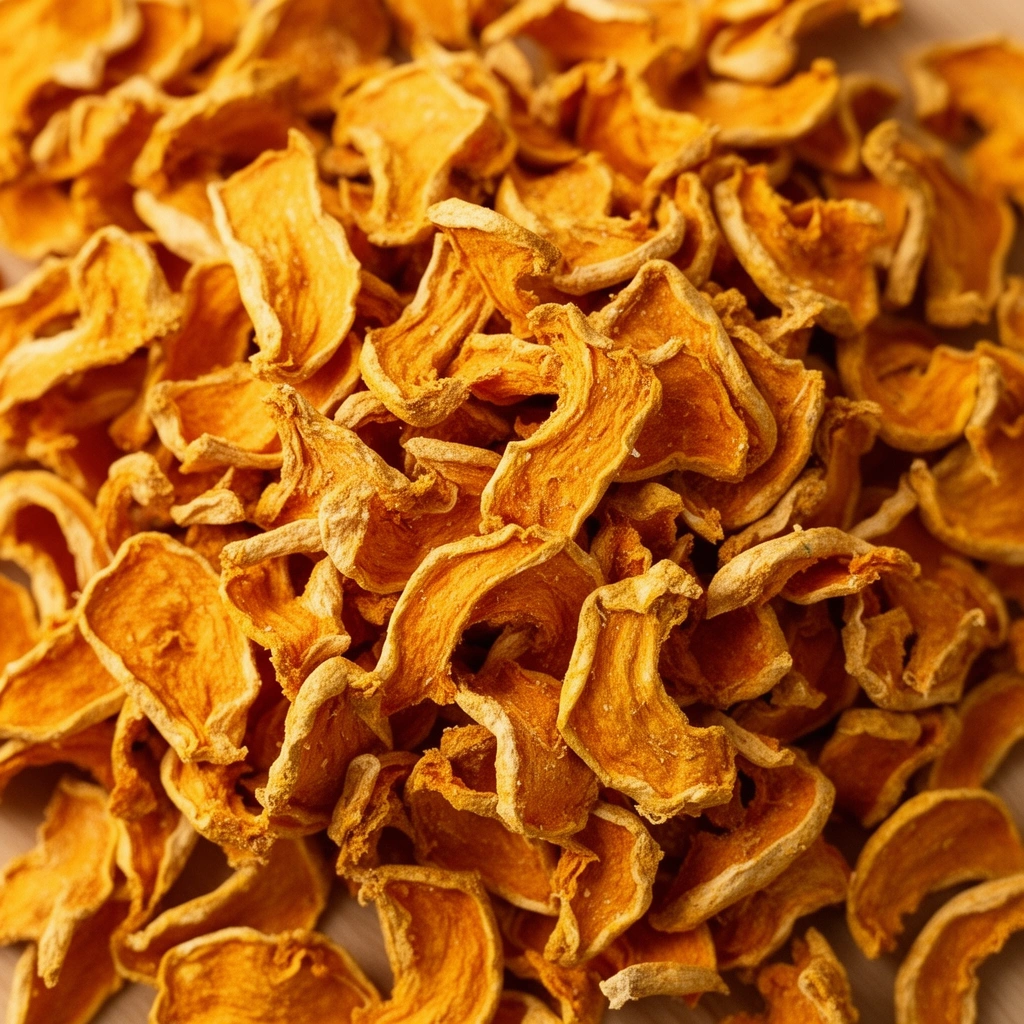
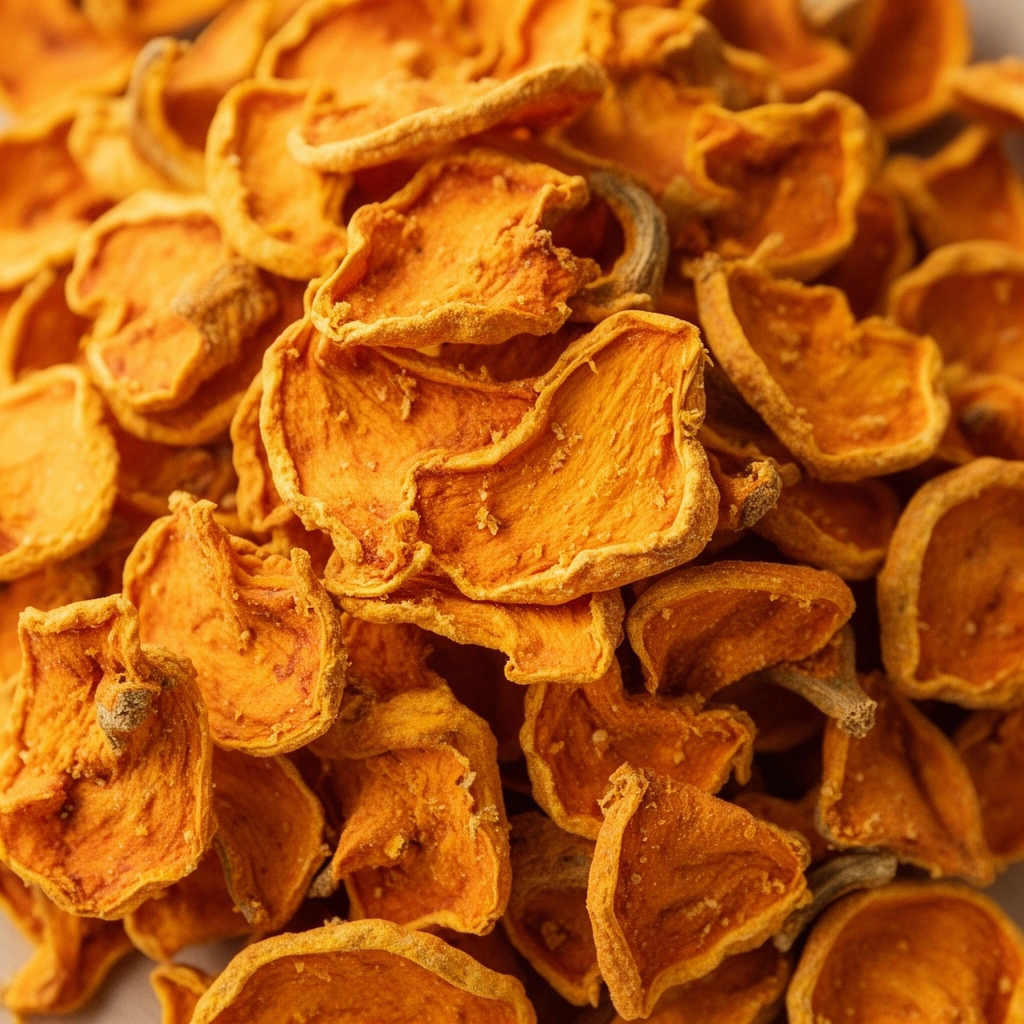
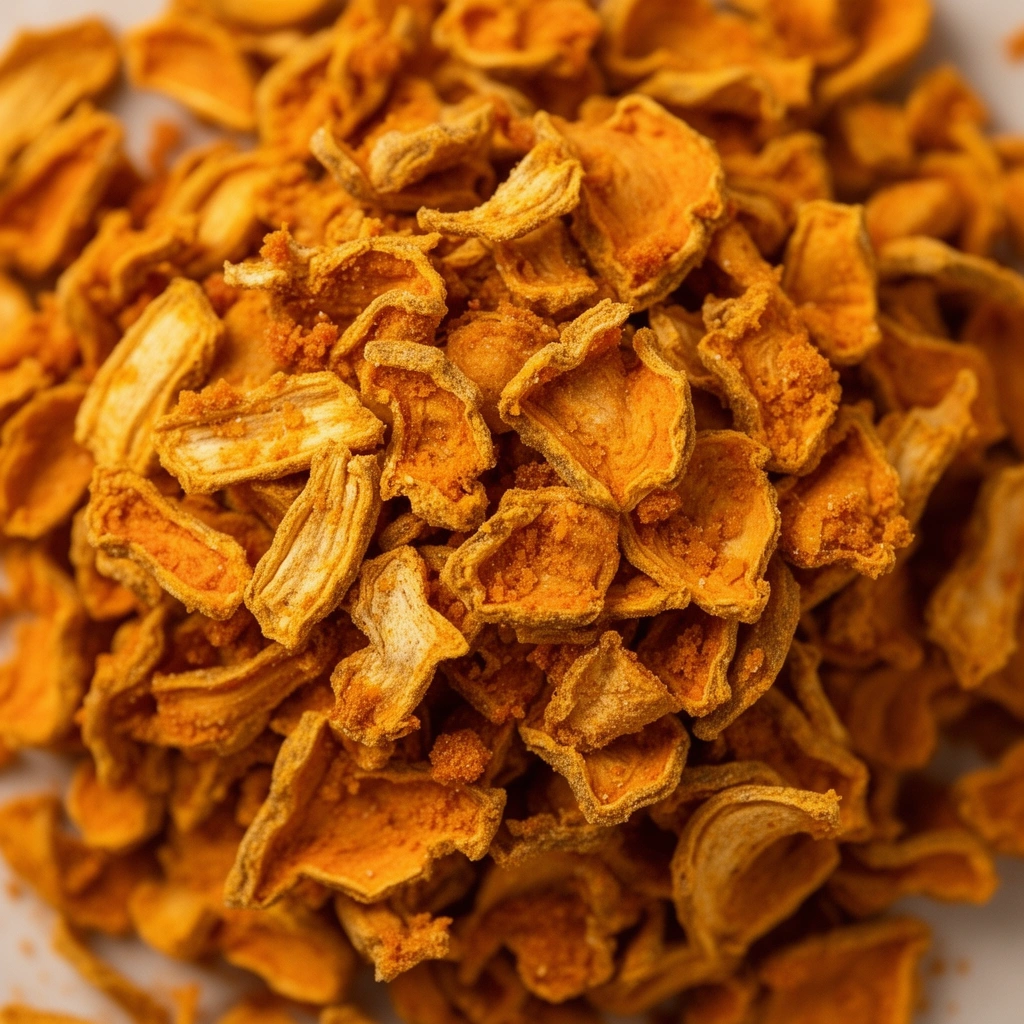
Let’s get the basics down first. Dehydrated pumpkin is simply pumpkin flesh that’s had almost all its moisture removed through slow, low heat. Think of it like beef jerky, but way healthier and made from a vegetable your vet would actually approve of.
Why bother drying it out instead of just serving fresh pumpkin? Well, dehydration does a few clever things. It shrinks the pumpkin down into a lightweight, chewy snack. It concentrates the natural sugars, so your dog gets a slightly sweet treat without any added junk. And it extends shelf life dramatically, meaning you’re not tossing out spoiled pumpkin puree every few days.
I started making these treats after my own dog had some digestive hiccups. My vet mentioned pumpkin as a gentle fiber source, and honestly, dehydrating it felt like the easiest way to keep a steady supply on hand without refrigeration headaches.
Key Terms You Should Know
Dehydration
: The process of removing water content from food using controlled, low heat over an extended time, which prevents bacterial growth and preserves nutrients.
Puree
: Pumpkin that’s been cooked and blended into a smooth, thick consistency, often used as a base before spreading it thin for drying.
Chip or Strip
: The final shape most dehydrated pumpkin treats take, either thinly sliced rounds or blended strips laid onto trays.
Food Dehydrator
: A kitchen appliance that circulates warm air at low temperatures to dry out fruits, vegetables, and meats evenly.
Moisture Content
: The amount of water remaining in food after processing. Lower moisture content means longer shelf life but requires careful monitoring to avoid burning.
Why Pumpkin Deserves a Spot in Your Dog’s Treat Jar
Before we jump into the how-to, let’s talk about why this vegetable is worth the effort. Pumpkin isn’t some trendy superfood fad. It’s got real substance behind it.
- High in fiber – Helps regulate digestion, whether your dog is dealing with constipation or the opposite problem.
- Rich in beta-carotene – Supports eye health and gets converted into vitamin A in your dog’s body.
- Low in calories – A great swap for fattier commercial treats if your pup needs to watch their weight.
- Contains potassium and iron – Small amounts, but every bit helps with muscle and blood health.
- Naturally low allergen risk – Most dogs tolerate pumpkin well, even those with sensitive stomachs.
I’ve noticed that vets often recommend plain canned pumpkin for upset stomachs, but making your own dehydrated version gives you more control over freshness and avoids any sneaky preservatives found in some canned products.
Step-by-Step: How to Make Dehydrated Pumpkin for Dogs
Alright, let’s get into the actual process. This isn’t complicated, but a few details matter if you want treats that are safe, tasty, and long-lasting.
What You’ll Need
- One sugar pumpkin or pie pumpkin (avoid decorative carving pumpkins, they’re stringier and less flavorful)
- A sharp knife and sturdy cutting board
- A vegetable peeler
- A food dehydrator or an oven set to a low temperature
- Parchment paper or dehydrator trays
- An airtight container for storage
The Process
- Wash the pumpkin thoroughly. Even though you’re removing the skin, rinsing off dirt and residue first is just good practice.
- Cut the pumpkin in half. Use a sturdy knife and go slow. Pumpkins can be stubborn.
- Scoop out the seeds and stringy pulp. Save the seeds if you want, they can be roasted separately, but that’s a different treat altogether.
- Peel the skin away. A vegetable peeler works, though sometimes a knife is faster for thicker-skinned pumpkins.
- Slice the flesh into thin, even pieces. Aim for about a quarter-inch thickness. Thinner slices dry faster and more evenly.
- Arrange the slices on your dehydrator trays or a parchment-lined baking sheet. Leave space between pieces so air can circulate.
- Set your dehydrator to around 135°F (57°C). If using an oven, set it to the lowest possible temperature, usually around 170°F, and prop the door open slightly to mimic airflow.
- Dry for six to ten hours. This varies depending on slice thickness and humidity in your kitchen. Check periodically.
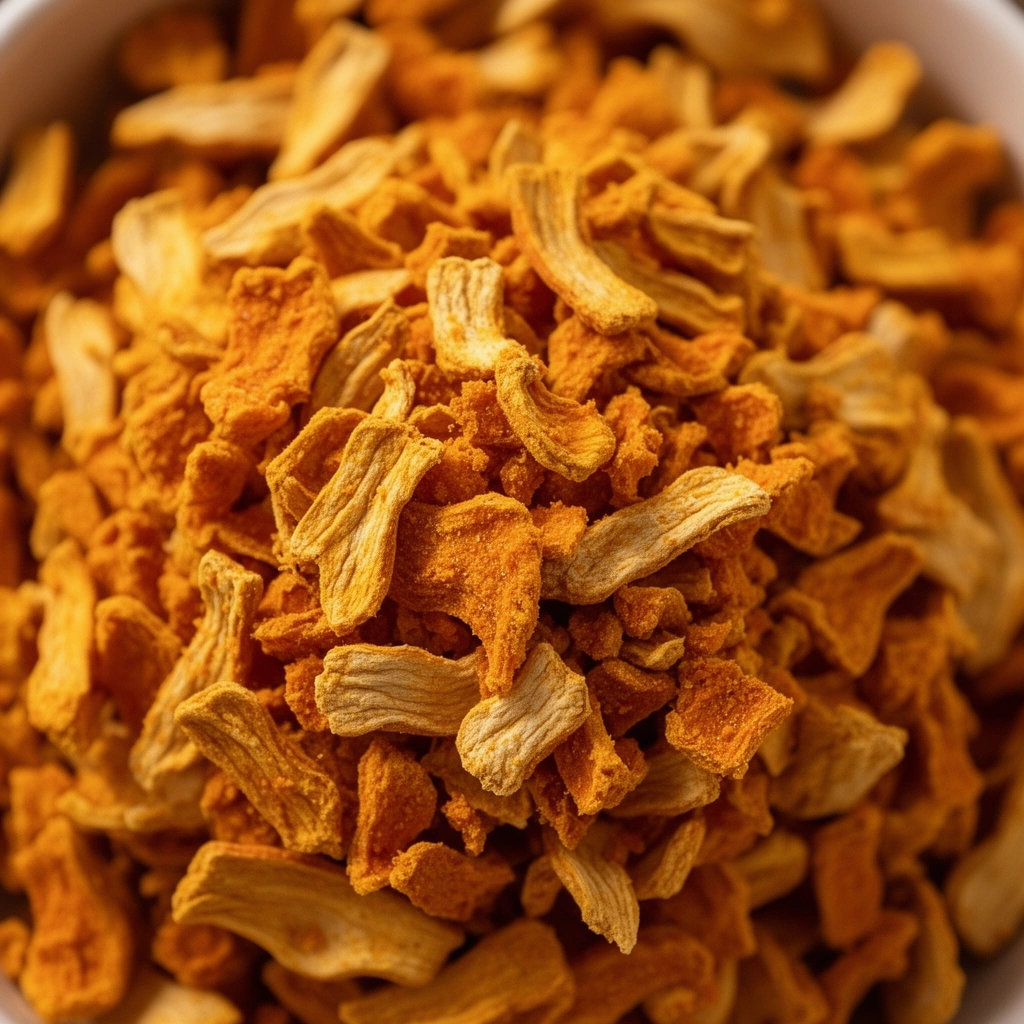
- Test for doneness. The pumpkin should feel leathery and bend without snapping, with no moist or sticky spots.
- Cool completely before storing. Warm treats sealed too early can trap moisture and spoil faster.
I remember my first batch came out chewy in some spots and crispy in others because I sliced unevenly. Consistency in thickness really does make a difference.
Tips for Success
Getting this right takes a little practice, but these pointers will save you time and frustration.
- Choose smaller pie pumpkins over giant carving ones. They’re sweeter and less watery.
- Slice uniformly. A mandoline slicer helps if you’ve got one lying around.
- Rotate your trays halfway through drying if your dehydrator doesn’t have even heat distribution.
- Store treats only after they’ve cooled to room temperature completely.
- Keep a food journal of drying times, since every batch and every dehydrator behaves a little differently.
- Introduce the treat slowly to your dog’s diet, especially if they’ve never had pumpkin before.
Common Mistakes and How to Avoid Them
I’ve made a few blunders myself, so let me save you the trouble.
Mistake: Using pie filling instead of real pumpkin.
Canned pumpkin pie filling has added sugar, spices, and sometimes salt. That stuff isn’t dog-friendly. Always use plain pumpkin puree or fresh pumpkin flesh.
Mistake: Slicing too thick.
Thick slices take forever to dry and often end up moist in the center, which invites mold. Thin and even wins every time.
Mistake: Skipping the cooling step.
Sealing warm treats traps residual moisture inside the container, which can lead to spoilage within days.
Mistake: Overdrying until brittle.
Some dogs, especially smaller breeds or seniors, prefer a slightly chewy texture. Overdried pumpkin can turn hard and unappetizing.
Mistake: Forgetting portion control.
Even healthy treats add calories. Too much pumpkin can also cause loose stools, ironically the opposite of what you wanted.
Storage Guidelines
Once your dehydrated pumpkin treats are fully cooled, store them properly to lock in freshness.
- Use airtight glass jars or vacuum-sealed bags.
- Keep them in a cool, dark pantry for up to two weeks.
- For longer storage, refrigerate for up to a month or freeze for up to six months.
- Always check for any off smell or mold before feeding, especially with homemade treats lacking preservatives.
Fun Variations to Try
Once you’ve nailed the basic recipe, there’s room to get creative.
- Pumpkin and apple chips – Layer thin apple slices alternately with pumpkin for a fruity twist (skip the seeds, they’re toxic to dogs).
- Pumpkin and sweet potato strips – Combine two fiber-rich veggies for a treat that’s extra hearty.
- Pumpkin powder – Dehydrate pumpkin puree completely, then grind it into a powder to sprinkle over regular dog food as a fiber boost.
- Cinnamon-dusted pumpkin chips – A light dusting of cinnamon (never nutmeg, which is toxic) adds warmth and aroma dogs seem to love.
- Frozen pumpkin cubes – Not dehydrated, but worth mentioning as an alternative for hot summer days when a cold treat sounds better.
Wrapping It Up
Making dehydrated pumpkin for dogs at home isn’t just about saving money, though that’s a nice bonus. It’s about knowing exactly what’s going into your dog’s treat jar, free from fillers, preservatives, or mystery ingredients. My own dog gobbles these up like they’re gourmet, and honestly, watching that tail wag makes every slicing and dehydrating session worth it.
Give this recipe a shot, experiment with the variations, and pay attention to how your dog responds. Every pup is different, but pumpkin has a pretty solid track record for being gentle, tasty, and genuinely good for them. So go grab that pie pumpkin sitting in your kitchen and turn it into something your dog will thank you for.