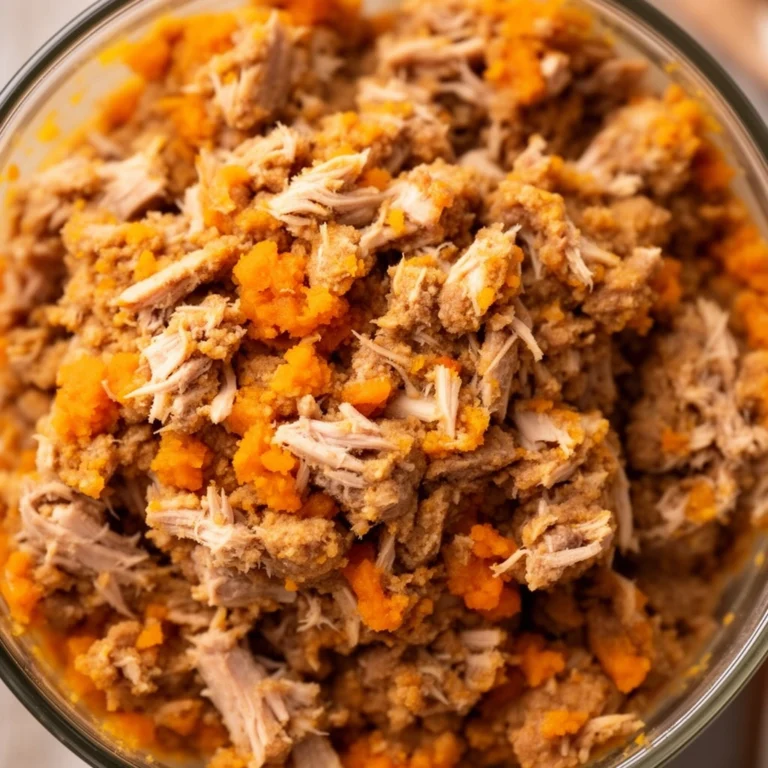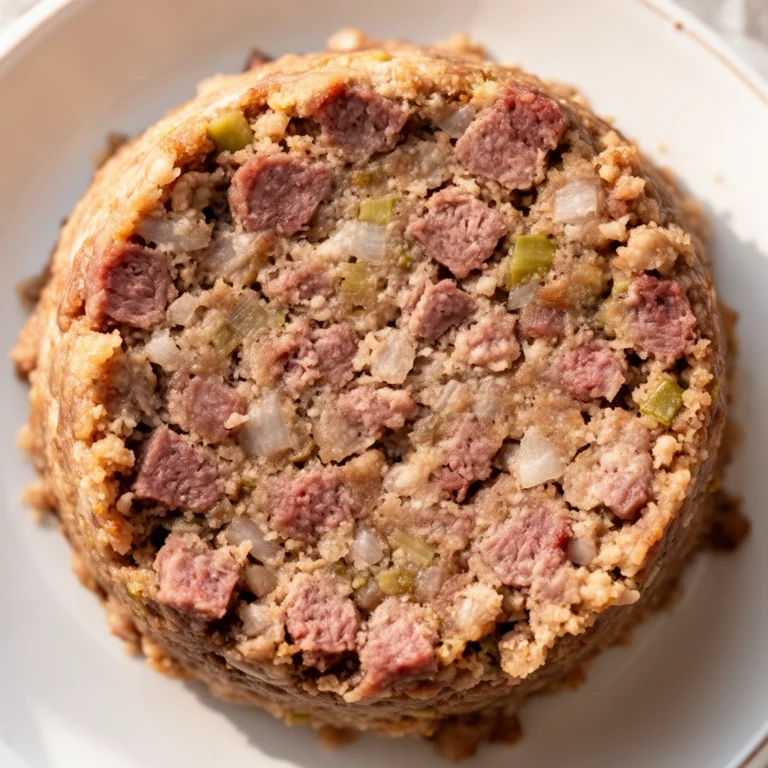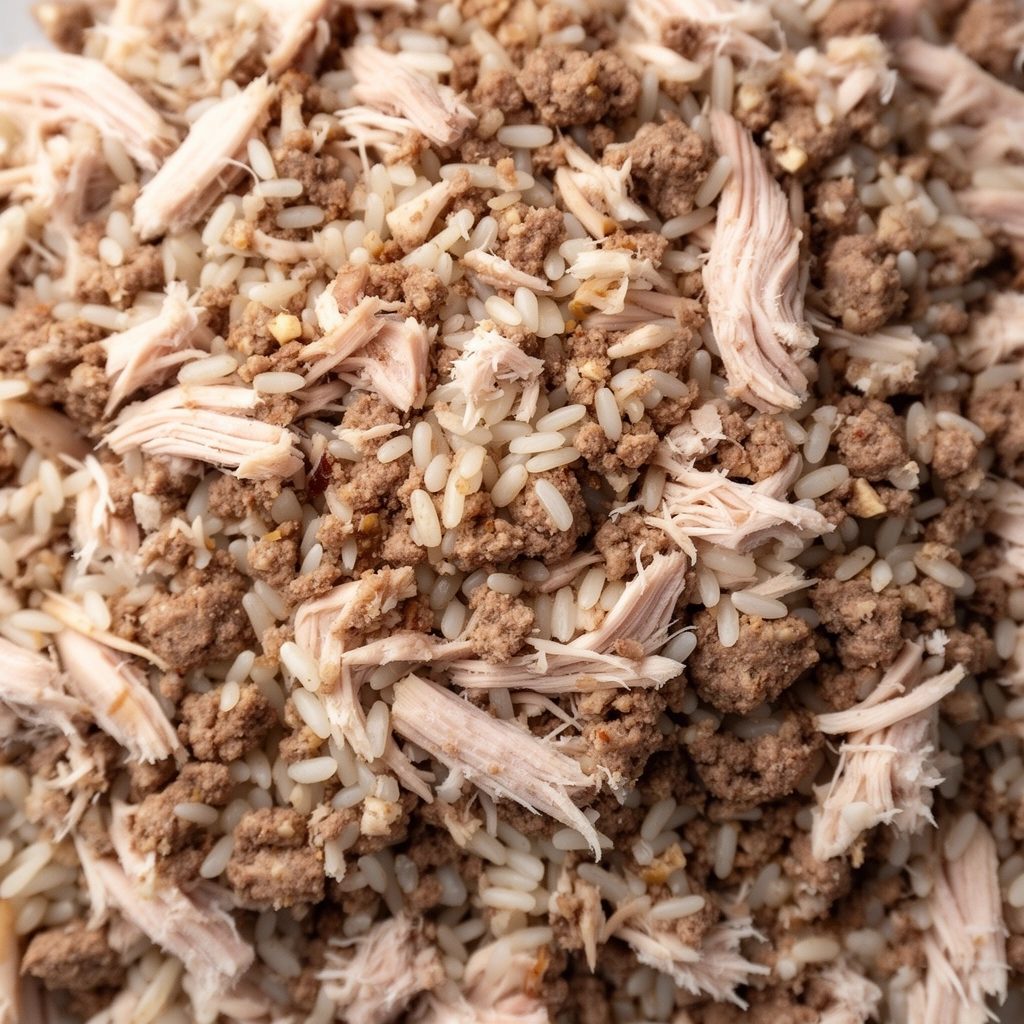
Homemade Turkey and Rice Dog Food Recipe: A Complete Guide
Ever wonder if that bag of kibble sitting in your pantry is really the best thing you can feed your furry best friend? I asked myself that same question a few years back, and it sent me down a rabbit hole that ended with a pot of homemade turkey and rice dog food simmering on my stove. If you’re here, you’re probably curious too, and I’m glad you found this guide.
Making your dog’s food at home isn’t just some trendy pet parent flex. It’s a genuine way to control what goes into your pup’s bowl, avoid mystery fillers, and cater to dogs with sensitive tummies. Turkey and rice happen to be one of the gentlest, most digestible combos out there, which is why vets often recommend it for dogs recovering from an upset stomach.
Why Turkey and Rice Works So Well for Dogs
Turkey is lean, packed with protein, and easier on the digestive system than fattier meats like beef. Rice, especially white rice, is a bland carbohydrate that won’t irritate a sensitive gut. Together, they create a meal that’s soothing, nutritious, and simple enough that you won’t need a culinary degree to pull it off.
But here’s something a lot of recipes skip over: turkey and rice alone isn’t a complete diet for long-term feeding. It’s fantastic for short-term meals, sick pups, or as part of a rotation, but dogs need more than protein and carbs to thrive. They need calcium, fatty acids, and specific vitamins that plain turkey and rice just don’t provide. I’ll cover exactly how to fix that gap later in this article, since most recipes online conveniently leave this part out.
Key Terms You Should Know Before You Start
Understanding a few basic terms will make this whole process way less confusing.
Complete and balanced diet
: A meal that contains all the nutrients a dog needs daily, including protein, fat, vitamins, and minerals, in the right proportions.
Bland diet
: A simple, low-fat, easy-to-digest meal typically used for dogs with upset stomachs or during recovery.
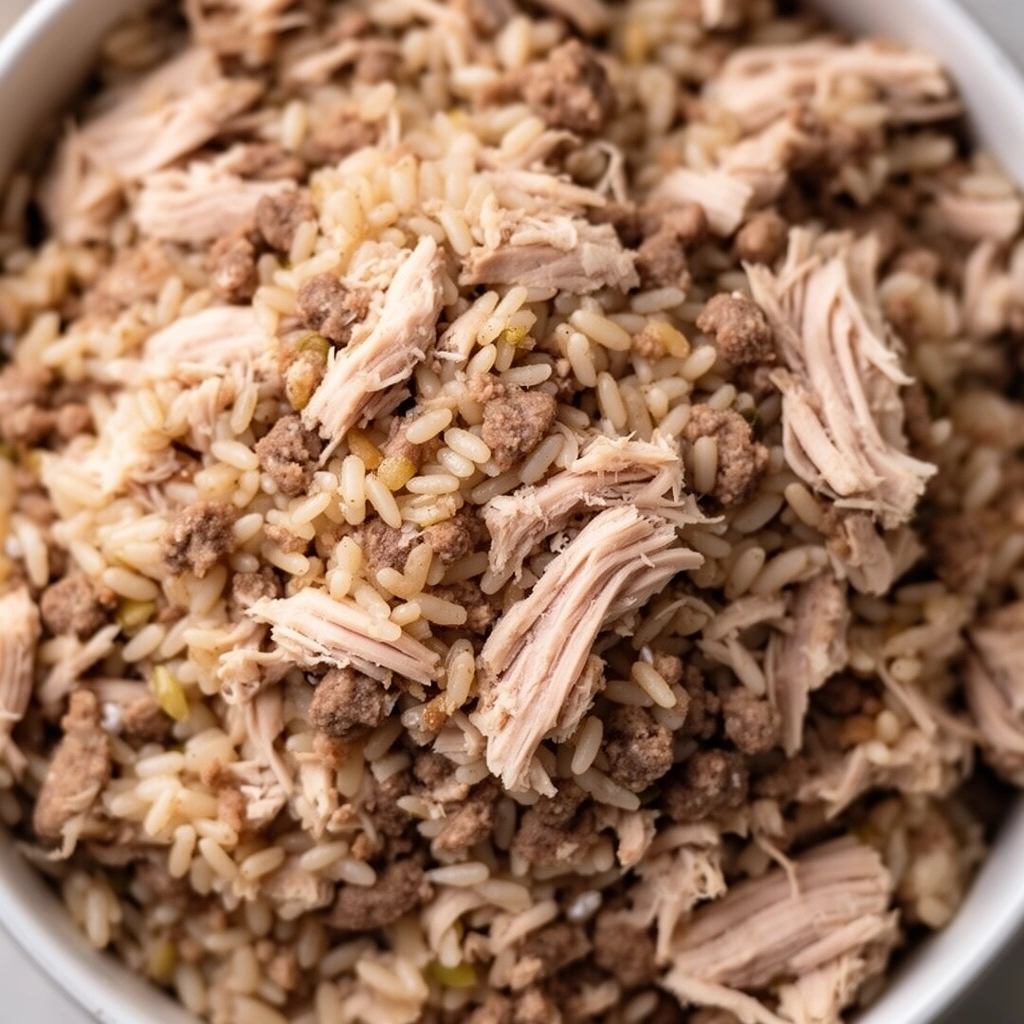
AAFCO guidelines
: Standards set by the Association of American Feed Control Officials that outline nutritional requirements for pet food.
Rotational feeding
: Switching between different proteins and recipes to give your dog variety and a broader nutrient profile.
Calcium-phosphorus ratio
: The balance between calcium and phosphorus in a dog’s diet, critical for bone health and often overlooked in homemade meals.
What You’ll Need
Before you start cooking, gather these ingredients. I’m listing exact ratios that work well for most adult dogs, but I’ll talk about portion adjustments later.
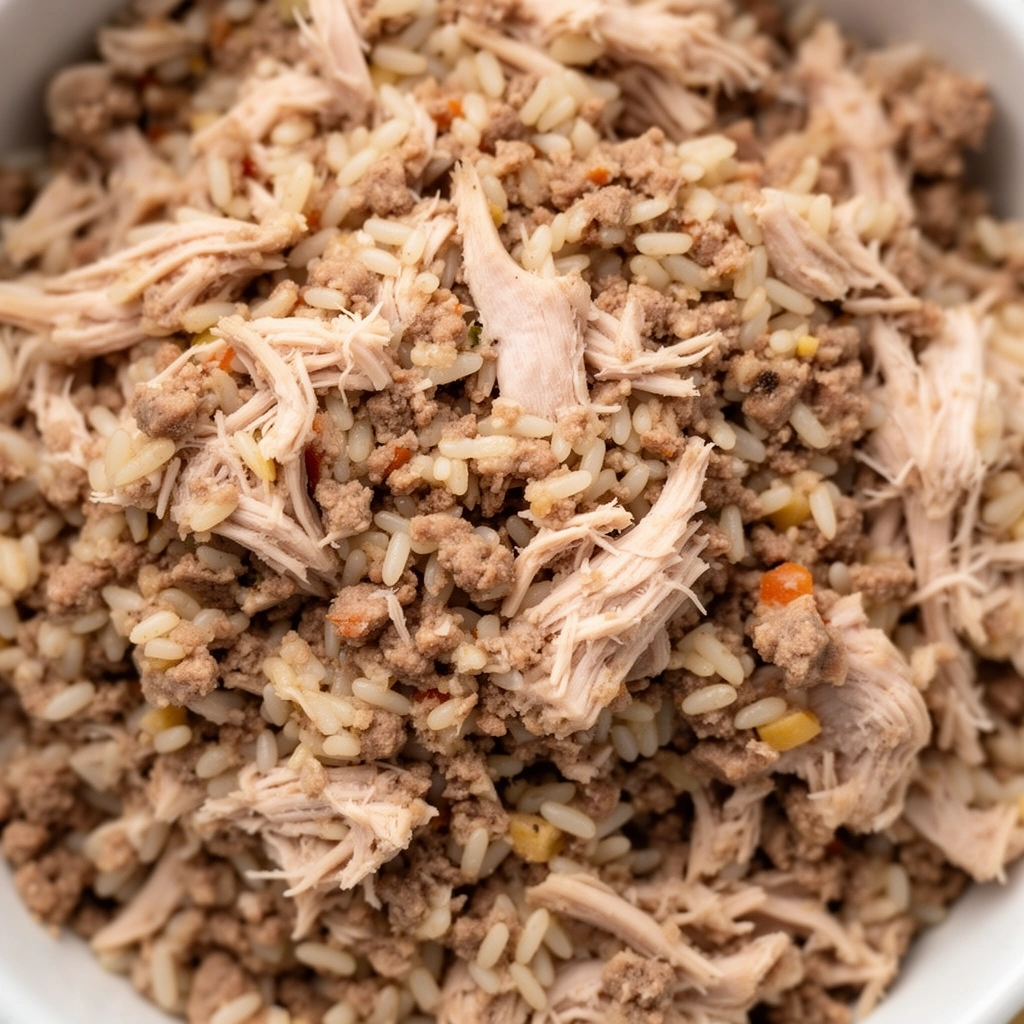
- 2 pounds of ground turkey (or boneless, skinless turkey breast, diced)
- 2 cups of white rice (brown rice works too, though it’s harder to digest)
- 4 cups of water or low-sodium chicken broth
- 1 cup of diced carrots
- 1 cup of chopped green beans
- 2 tablespoons of pumpkin puree (plain, not spiced)
- 1 teaspoon of ground turmeric (optional, for its anti-inflammatory properties)
- 1 tablespoon of ground eggshell or a calcium supplement (this is the part most recipes forget)
- 1 tablespoon of fish oil or salmon oil for omega-3 fatty acids
Step-by-Step Cooking Process
I know recipes can feel overwhelming when they’re written out in paragraph form, so here’s the process broken down into clear steps.
- Step 1: Cook the turkey. Add the ground turkey to a large pot over medium heat. Break it apart as it cooks, and make sure there’s no pink left. This usually takes about 10 minutes.
- Step 2: Add the rice and liquid. Pour in the water or broth, then stir in the rice. Bring everything to a boil, then reduce to a simmer.
- Step 3: Toss in the vegetables. Add your carrots and green beans once the rice starts softening, roughly 10 minutes into the simmer.
- Step 4: Simmer until everything is tender. Keep the pot on low heat for another 15 to 20 minutes, stirring occasionally so nothing sticks to the bottom.
- Step 5: Mix in the pumpkin and turmeric. Once the rice is fully cooked and the veggies are soft, stir in the pumpkin puree and turmeric.
- Step 6: Cool completely. Let the mixture cool to room temperature before adding the calcium supplement and fish oil. Heat can degrade some of these nutrients, so timing matters here.
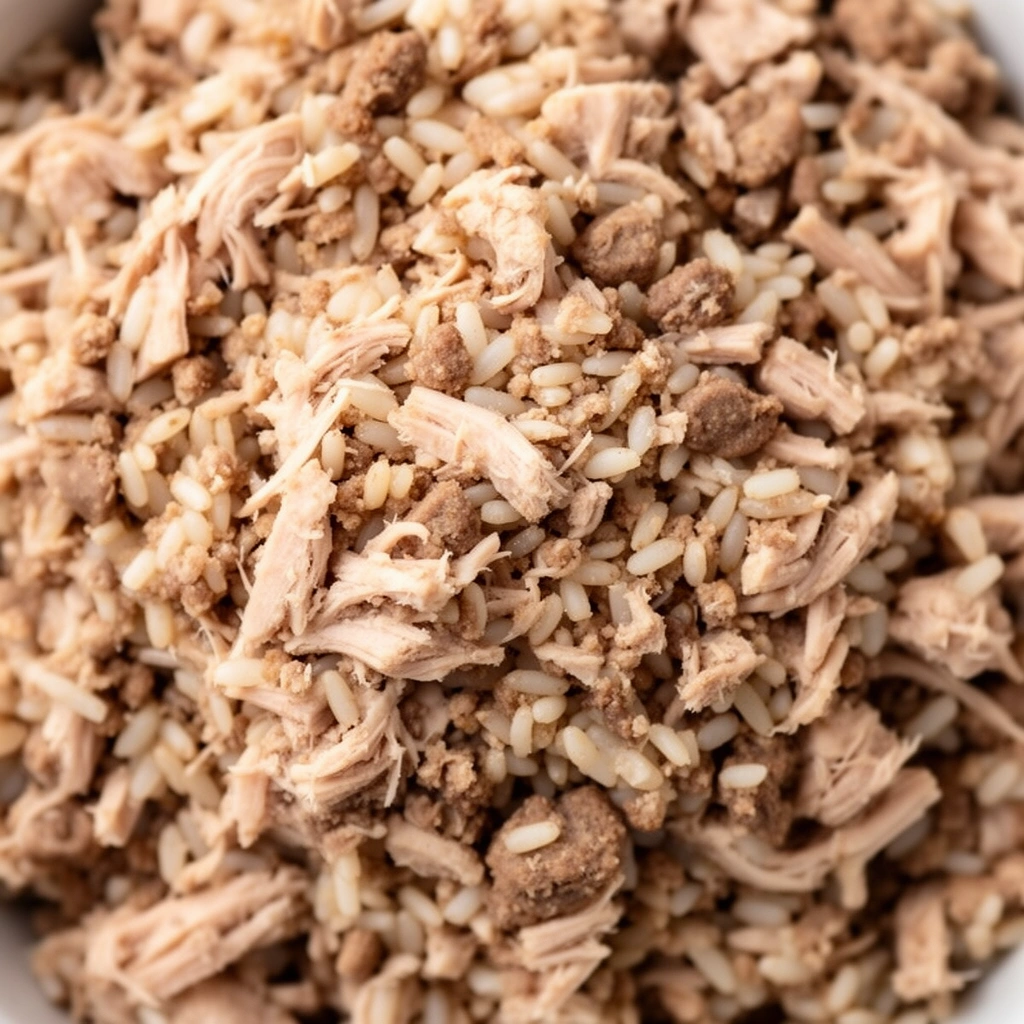
- Step 7: Portion and store. Divide the food into meal-sized containers based on your dog’s weight and daily caloric needs.
How Much Should You Feed Your Dog?
This is where a lot of homemade dog food guides fall short. They give you a recipe but never tell you how much to actually serve. Here’s a simple breakdown based on body weight:
- Small dogs (under 20 lbs): ¾ to 1 cup per day, split into two meals
- Medium dogs (20-50 lbs): 1.5 to 2.5 cups per day, split into two meals
- Large dogs (50-90 lbs): 3 to 4 cups per day, split into two meals
- Extra-large dogs (90+ lbs): 4.5 cups or more, adjusted based on activity level
Keep in mind these are starting points. Active dogs, puppies, and pregnant or nursing dogs will need more calories. Senior dogs or those prone to weight gain may need less. If you’re unsure, a quick chat with your vet can help you nail down the right amount.
Storage and Freezing Tips
Homemade dog food doesn’t have the preservatives that keep store-bought kibble shelf-stable for months, so storage matters a lot.
- Store cooked turkey and rice in an airtight container in the fridge for up to 4 days
- Freeze individual portions in freezer-safe bags or containers for up to 3 months
- Thaw frozen portions in the fridge overnight, never at room temperature
- Avoid microwaving frozen food directly, as it can create hot spots that burn your dog’s mouth
Tips for Success
- Use plain, unseasoned turkey. Garlic, onion, and heavy seasoning are toxic to dogs, so keep it simple.
- Introduce this recipe slowly if your dog is used to kibble. Mix small amounts in with their regular food over 5 to 7 days.
- Always let the food cool before serving. Warm food might smell more appetizing to your dog, but hot food can burn their mouth.
- Weigh your dog regularly during the first month to make sure the portions are actually working for their body.
- Talk to your vet about adding a multivitamin if you plan on feeding this recipe long-term instead of just occasionally.
Common Mistakes and How to Avoid Them
Skipping the calcium supplement
: Many pet parents make turkey and rice thinking it’s complete on its own. Without calcium, dogs fed this diet long-term can develop bone and dental issues. Always add a calcium source if this becomes a regular meal.
Using seasoned or flavored broth
: Store-bought broths often contain onion powder or excessive sodium. Stick to plain, low-sodium broth or just use water.
Overfeeding rice
: Too much rice and not enough protein can lead to weight gain and nutrient imbalances. Stick to the ratios above, roughly one part rice to one part protein by volume.
Not rotating proteins
: Feeding the exact same meal every single day can lead to nutrient gaps over time. Consider rotating in chicken, beef, or fish recipes occasionally.
Forgetting fiber-rich vegetables
: Skipping veggies makes the meal less nutritious and can lead to digestive issues like constipation. Don’t skip the carrots and green beans.
Variations You Can Try
Once you’ve got the basic turkey and rice recipe down, feel free to switch things up.
- Turkey and sweet potato: Swap white rice for mashed sweet potato for a fiber boost and a lower glycemic option.
- Turkey and quinoa: Quinoa offers more protein than rice and works well for active dogs.
- Turkey, rice, and spinach: Add a handful of chopped spinach for extra iron and vitamins, just don’t overdo it since spinach contains oxalates.
- Slow cooker version: Toss all the ingredients into a slow cooker on low for 6 hours if you want a hands-off approach.
- Grain-free turkey recipe: Replace rice with pureed pumpkin and extra vegetables for dogs with grain sensitivities.
Wrapping It All Up
Making homemade turkey and rice dog food is honestly one of the easiest ways to take control of your dog’s diet. It’s gentle, it’s simple, and once you add the right supplements, it can become a legitimate part of your dog’s regular meal rotation. Just remember, this recipe shines brightest when you fill in the nutritional gaps with calcium and healthy fats, portion it correctly for your dog’s size, and store it properly so it stays fresh and safe.
I hope this guide gave you everything you needed to whip up a batch with confidence. Your dog’s tail wagging over a warm bowl of homemade turkey and rice dog food is honestly one of the best feelings as a pet parent, and now you’ve got the tools to make that happen safely and deliciously.