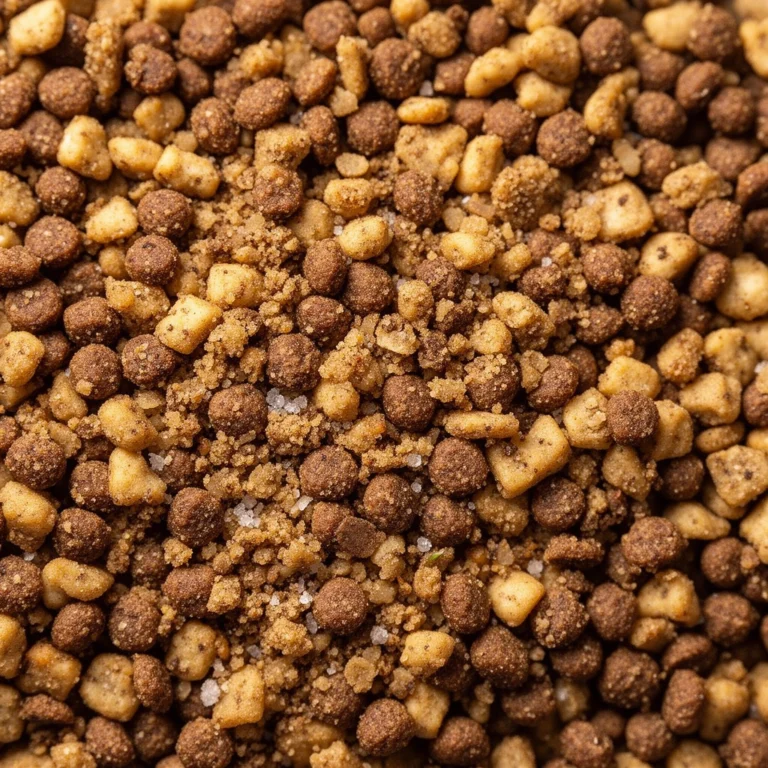
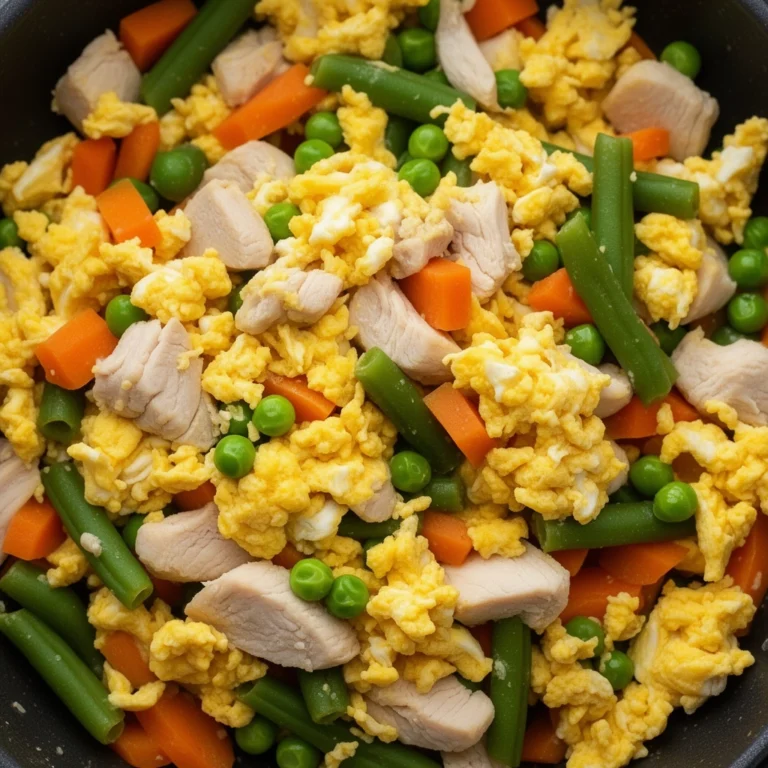
Homemade Dog Food For Weight Loss: A Comprehensive Guide
Hey there, fellow dog lovers! If you’re here, you might be asking yourself, “How can I help my furry friend shed a few pounds?” Well, today I’ll walk you through the ins and outs of homemade dog food for weight loss. We’ll explore recipes, key ingredients, and tips to ensure your dog stays healthy and happy. Let’s dive in!
Understanding Homemade Dog Food for Weight Loss
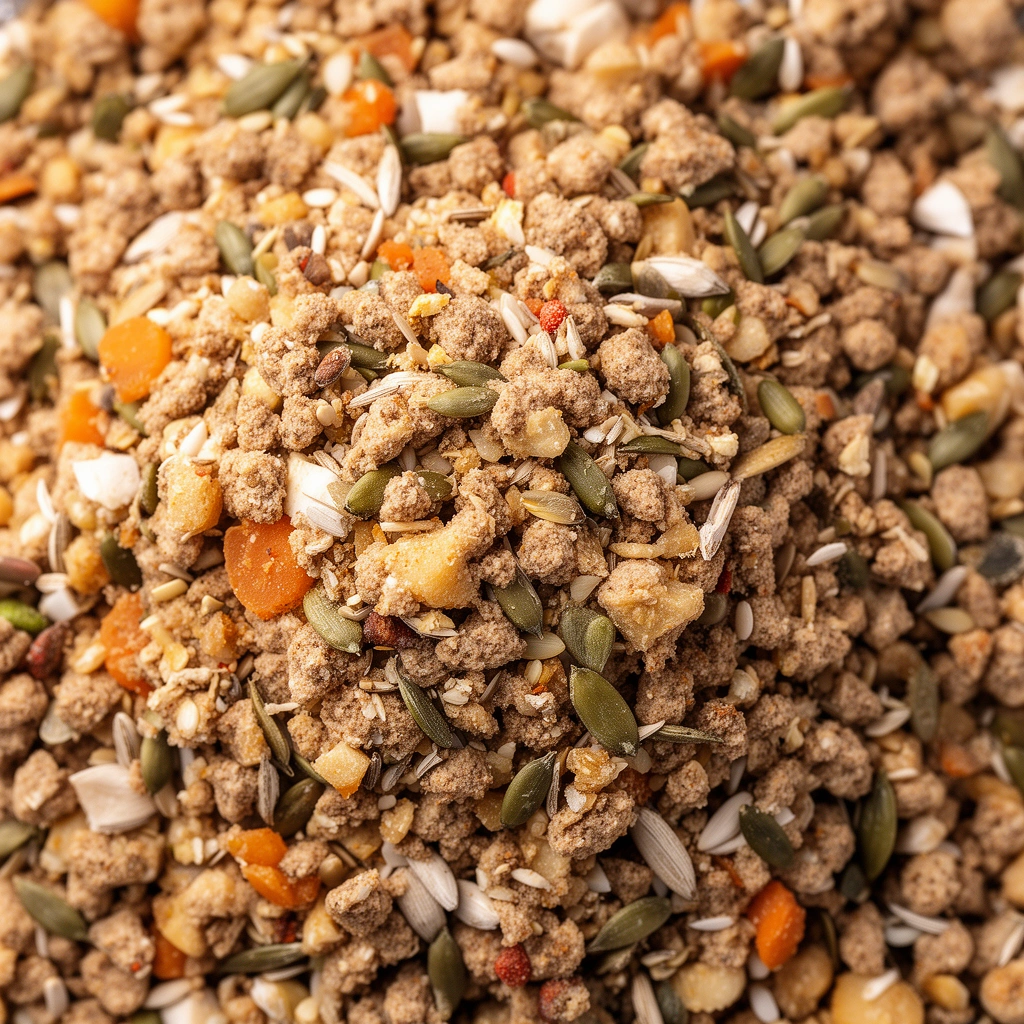
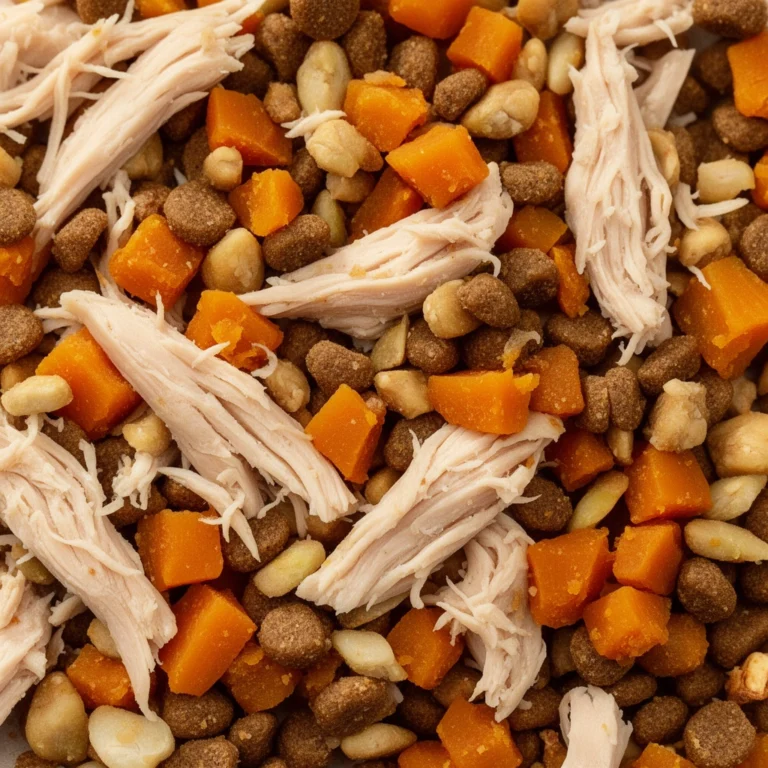
Homemade dog food is not just a trend; it’s a way to ensure your pup gets the best nutrition tailored to their specific needs. When we talk about homemade dog food for weight loss, we are referring to meals prepared at home using fresh ingredients that help your dog maintain a healthy weight while enjoying their meals.
Key Terms
- Weight Management: The process of maintaining a healthy weight through balanced diet and exercise.
- Nutritional Balance: Ensuring that a diet has the right mix of proteins, fats, carbohydrates, vitamins, and minerals.
- Caloric Deficit: Consuming fewer calories than the body expends, leading to weight loss.
Why Choose Homemade Dog Food?
There are several benefits to making your dog’s food at home:
- Control Over Ingredients: You can choose high-quality, natural ingredients while avoiding fillers and preservatives.
- Tailored Nutrition: You can customize recipes to fit your dog’s specific dietary needs or restrictions.
- Cost-Effective: In many cases, making dog food at home can be cheaper than buying premium commercial options.
Steps to Create Homemade Dog Food for Weight Loss
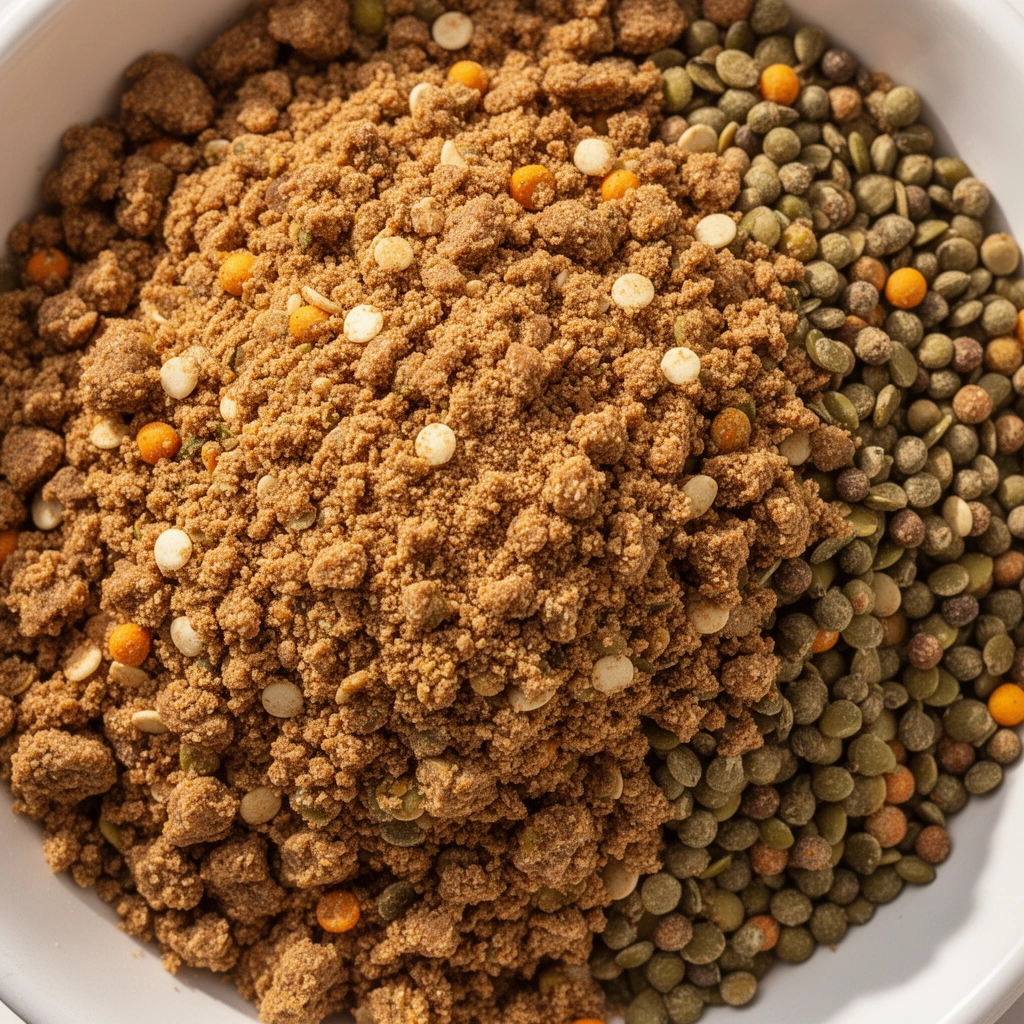
Creating balanced homemade dog food is easier than you might think. Follow these steps to ensure you’re providing nutritious meals for your canine companion:
Consult Your Veterinarian: Before making any significant changes to your dog’s diet, it’s always best to seek professional advice.
Choose Lean Proteins: Options such as chicken breast, turkey, and fish are excellent for weight loss.
Incorporate Healthy Carbohydrates: Brown rice, oats, and sweet potatoes are good sources of complex carbohydrates that provide energy without excess calories.
Add Vegetables: Carrots, green beans, and spinach not only add fiber but also essential vitamins and minerals.
Ensure Proper Fats: Include healthy fats in moderation, such as fish oil or flaxseed oil, to support overall health.
Portion Control: Measure your dog’s food to avoid overfeeding. Use guidelines from your vet to determine appropriate portion sizes.
Here’s a simple recipe to get you started:
Simple Homemade Weight Loss Recipe
Ingredients:
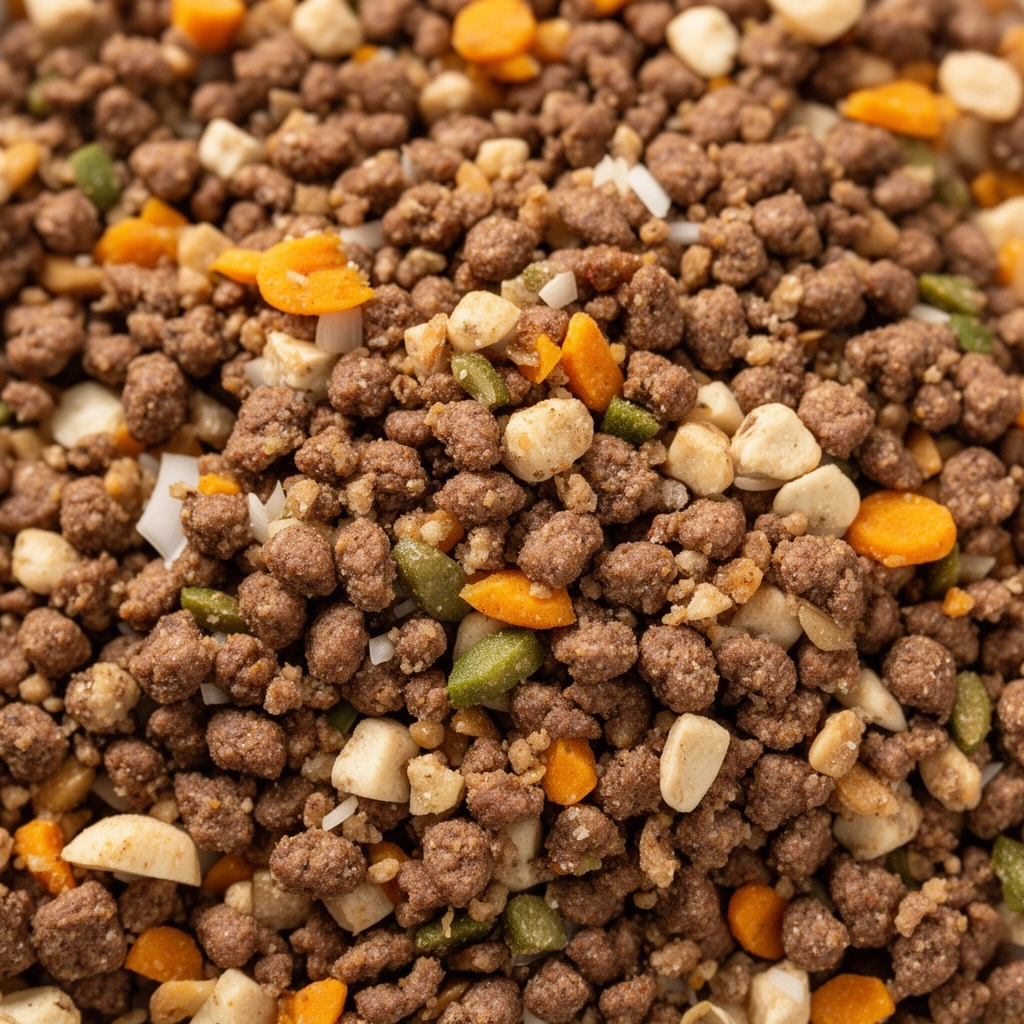
- 1 pound of lean ground turkey
- 1 cup of brown rice
- 1 cup of chopped carrots
- 1 cup of green beans
- 1 tablespoon of fish oil (optional)
Instructions:
- In a large pot, boil 4 cups of water.
- Add the brown rice and cook according to package instructions.
- In another pan, cook the ground turkey until browned.
- Add the chopped vegetables to the turkey and cook until tender.
- Mix the turkey and vegetable mixture with the cooked rice.
- Let the mixture cool before serving.
- Store leftovers in the refrigerator for up to four days.
Tips for Success
- Gradual Transition: Introduce homemade food gradually to avoid digestive upset.
- Monitor Weight: Weigh your dog regularly and adjust portions as needed.
- Stay Hydrated: Ensure your dog has access to fresh water at all times.
- Use Supplements If Needed: In some cases, your vet may recommend supplements to ensure nutritional balance.
Common Mistakes and How to Avoid Them
Even the best intentions can lead to pitfalls. Here are some common mistakes to avoid:
- Ignoring Nutritional Balance: Ensure your recipe includes all necessary nutrients. A vet or pet nutritionist can help formulate a balanced diet.
- Overfeeding: Watch portion sizes carefully. It’s easy to overestimate how much your dog should eat.
- Using Unsafe Ingredients: Some human foods are toxic to dogs (like onions and chocolate). Always double-check ingredients.
Similar Variations You Can Try
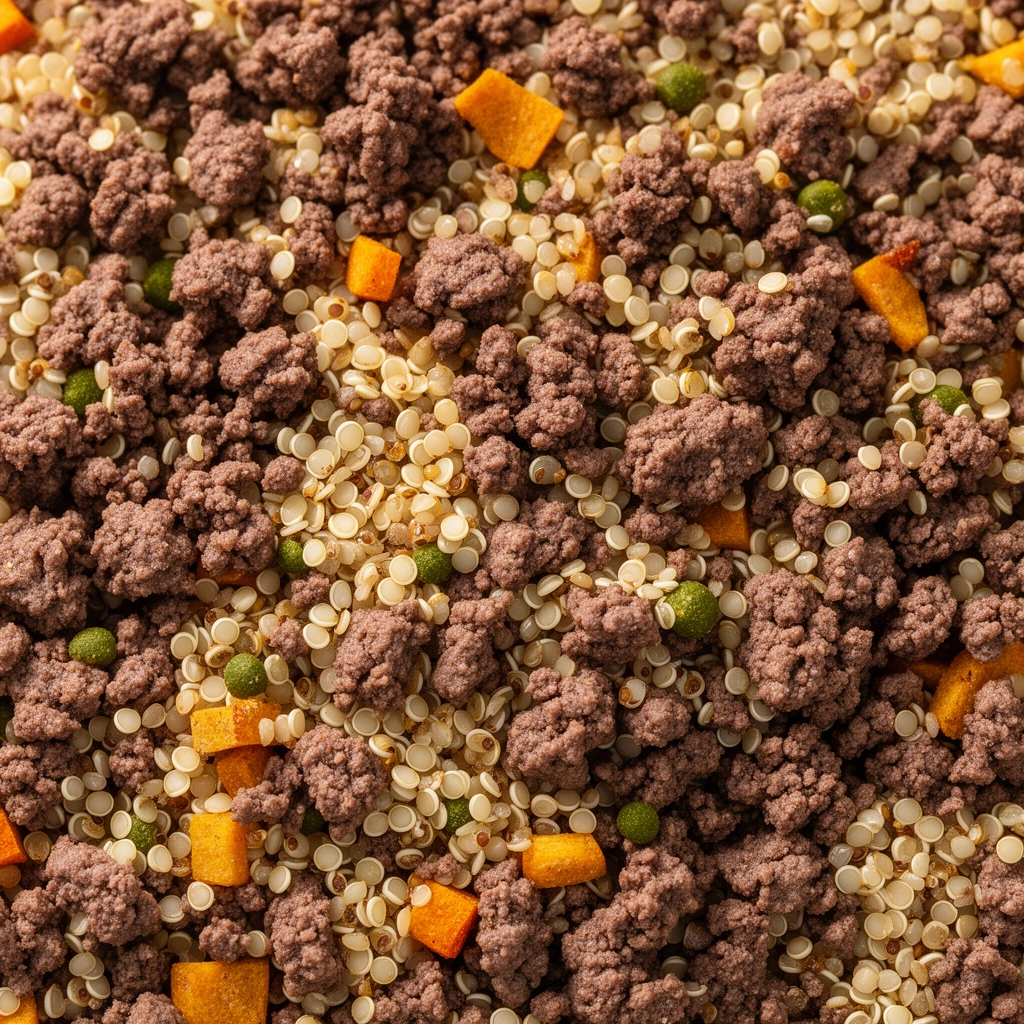
- Beef and Quinoa Mix: Substitute turkey with lean ground beef and rice with quinoa for a different flavor profile.
- Vegetable Medley: Experiment with a variety of dog-safe vegetables to keep meals interesting.
- Fish Delight: Use salmon or mackerel for a rich source of omega-3 fatty acids.
Summary
Making homemade dog food for weight loss is not only feasible but can also be a rewarding way to bond with your pup while promoting their health. Remember to consult your vet, choose high-quality ingredients, and monitor your dog’s weight throughout the process.
Final Thoughts
Helping your dog achieve a healthy weight is a journey that requires patience and dedication. With the right recipes and adjustments, you can make a positive impact on your furry friend’s life. So, roll up your sleeves and get cooking! Your dog will thank you for it!
Remember, it’s not just about food; it’s about quality time spent with your pup. Happy cooking! 🐾