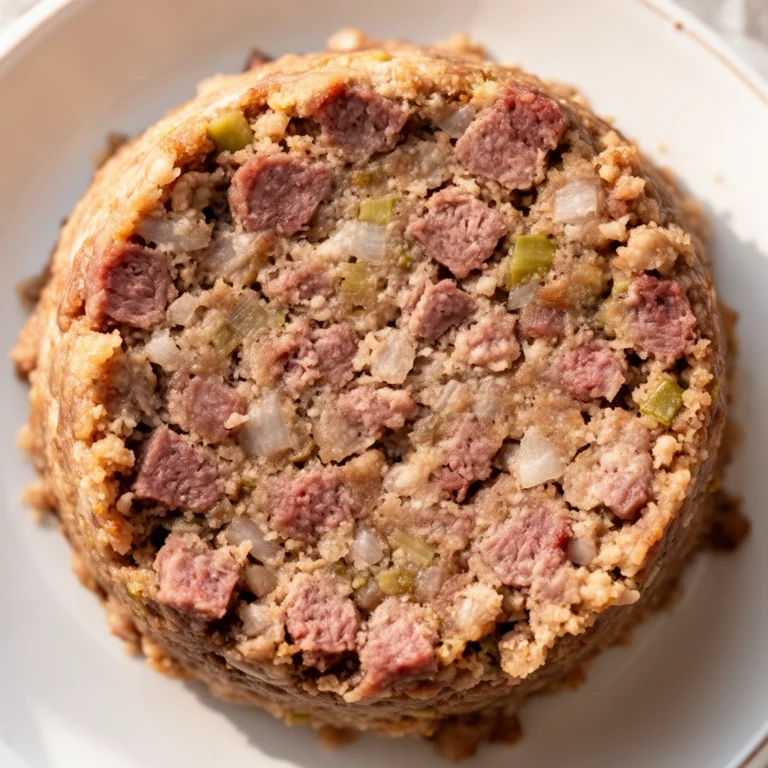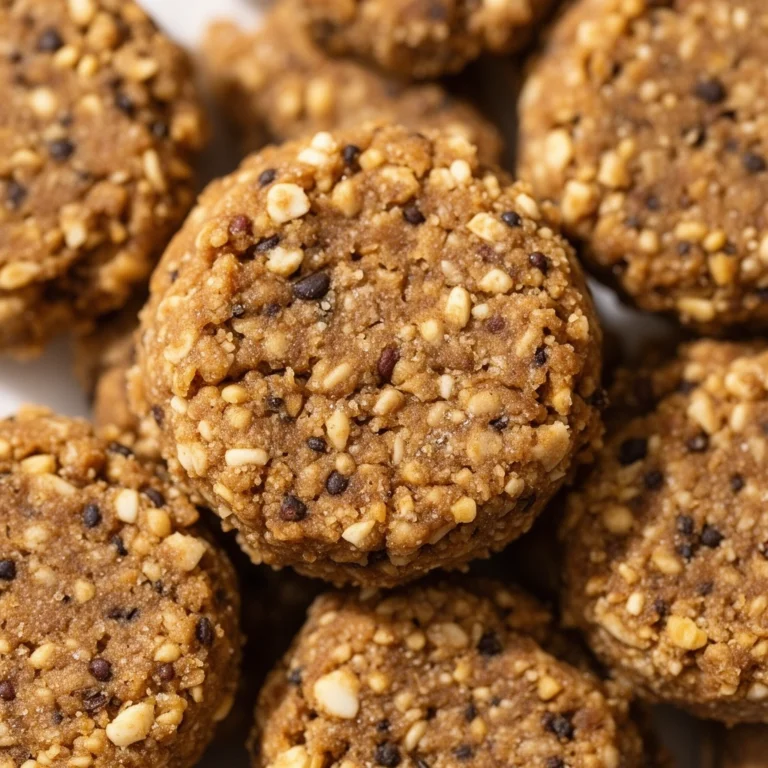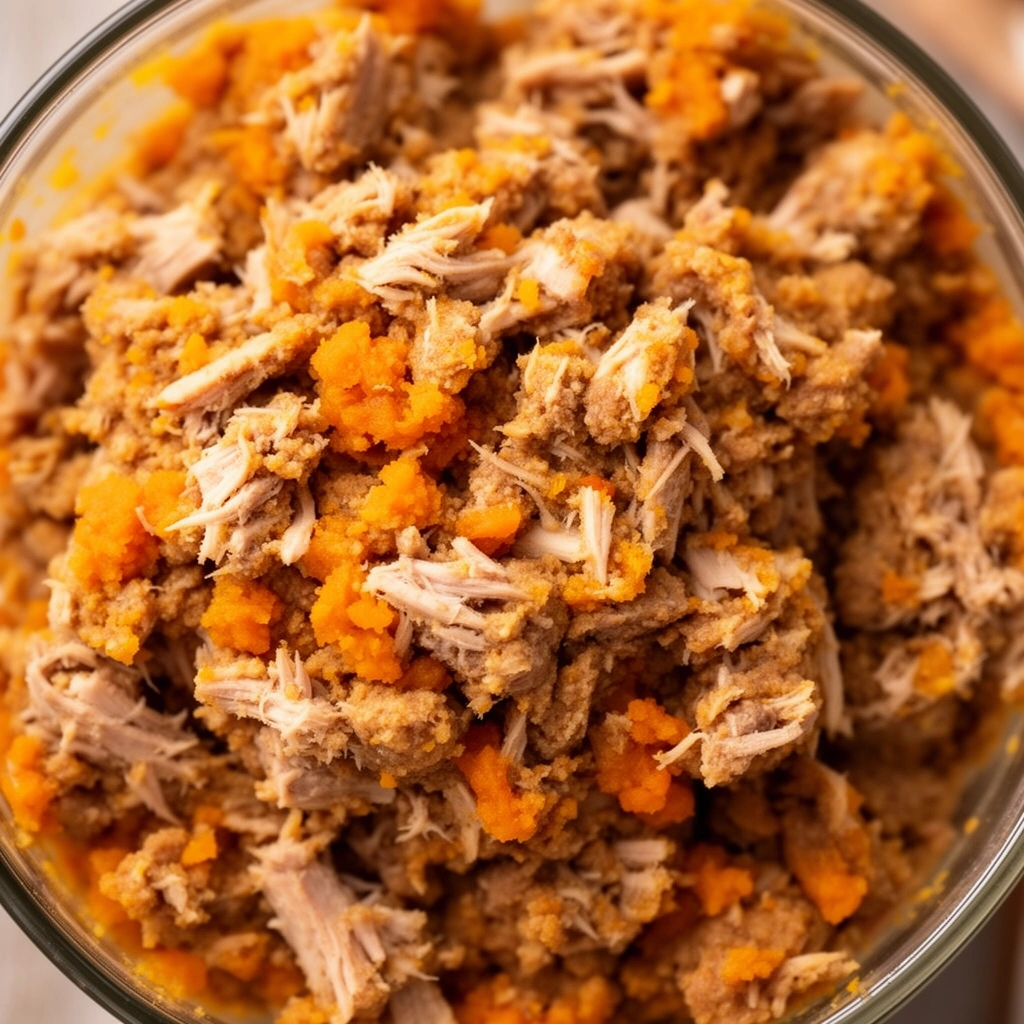
Homemade Pumpkin and Turkey Dog Food Recipe: A Simple, Healthy Meal Your Dog Will Beg For
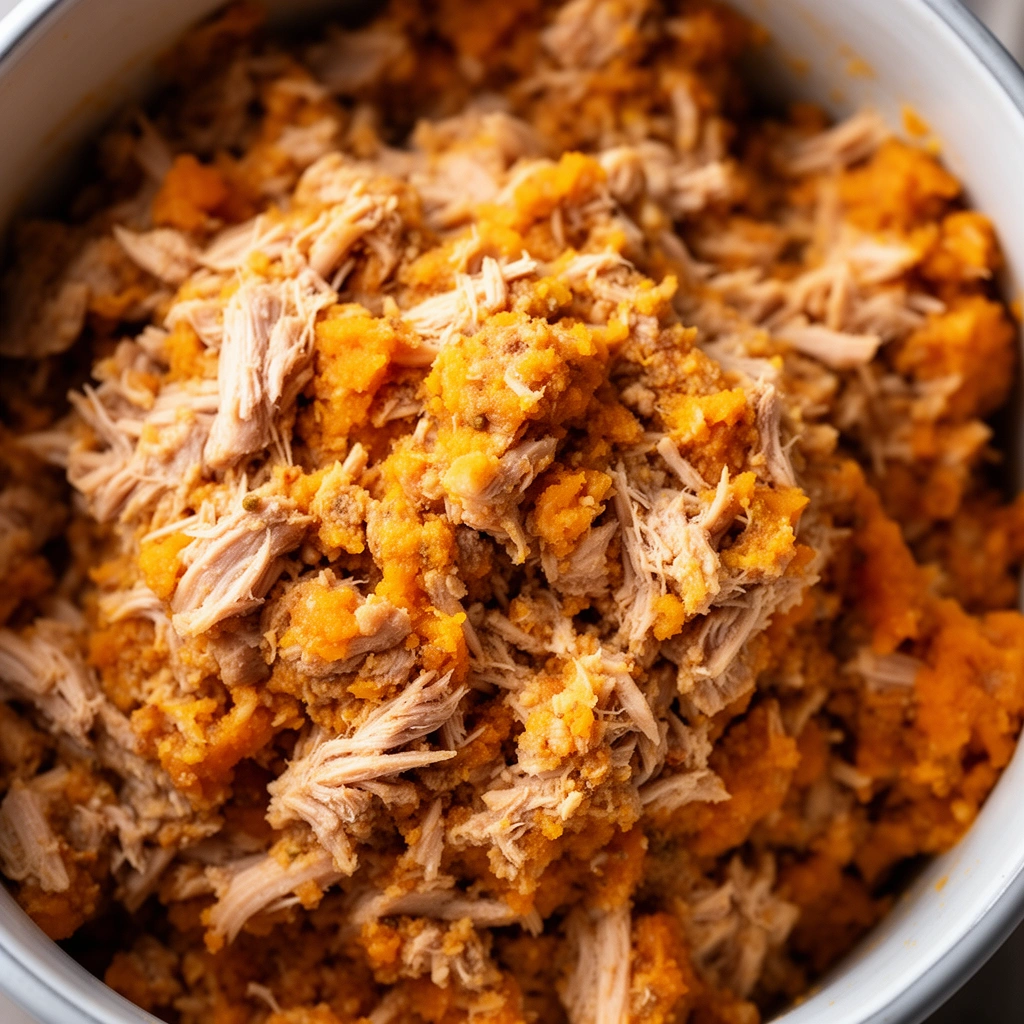
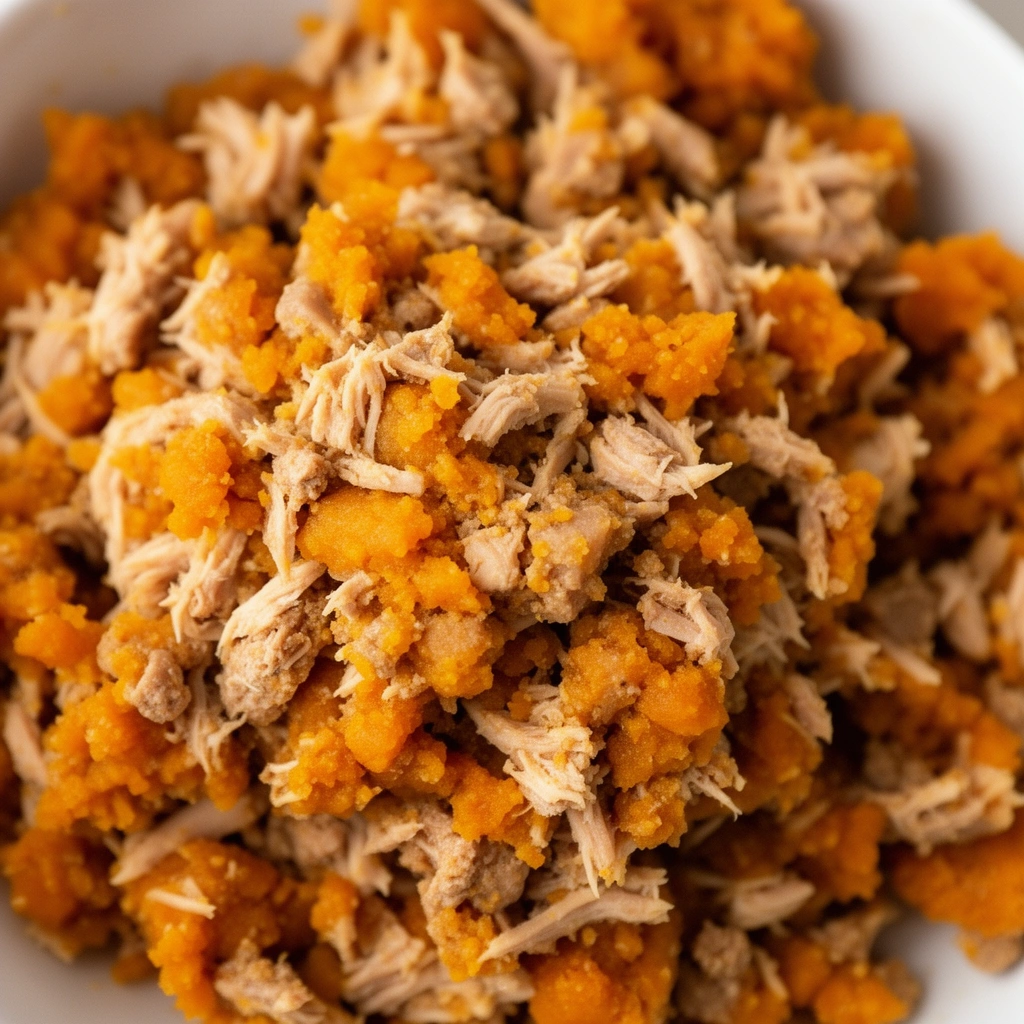
Ever caught your dog staring at your plate with those big, hopeful eyes, wondering if he’ll ever get something that actually tastes good AND is good for him? That’s exactly why I started making my own homemade pumpkin and turkey dog food. My pup used to turn his nose up at store-bought kibble, but the moment I put this pumpkin turkey mix in his bowl, he practically inhaled it. If you’re looking for a recipe that’s gentle on tummies, packed with nutrients, and dead simple to make, you’re in the right place.
What Makes This Pumpkin and Turkey Recipe Special
I get asked a lot why I keep coming back to this specific combo. Turkey is lean, easy to digest, and loaded with protein your dog’s muscles actually need. Pumpkin, on the other hand, is a gut-soothing superstar. It’s got fiber that helps with everything from constipation to diarrhea, plus it’s loaded with vitamins like A and C.
This isn’t some fancy gourmet dish you need a culinary degree to pull off. It’s a straightforward, wholesome meal that takes about 30 minutes from start to finish. I’ve made this for dogs with sensitive stomachs, picky eaters, and even senior dogs who needed something soft and easy to chew. It works across the board.
What really sold me on this recipe wasn’t just the health benefits. It was watching my dog’s coat get shinier and his energy pick up within a couple weeks. Small changes, big results.
Key Terms You Should Know
Before jumping into the recipe, let’s clear up a few terms you’ll see throughout this article.
Ground Turkey
: Lean turkey meat that’s been minced. It’s a great protein source that’s lower in fat than beef or pork.
Pumpkin Puree
: Cooked and mashed pumpkin with no added sugar or spices. Not to be confused with pumpkin pie filling, which is loaded with additives that aren’t dog-friendly.
Complete and Balanced
: A term used to describe pet food that meets all the nutritional requirements a dog needs daily, including vitamins, minerals, and proper protein-to-fat ratios.
Binder
: An ingredient like oats or rice that helps hold the mixture together and adds texture.
Rotational Feeding
: The practice of switching between different homemade recipes to make sure your dog gets a variety of nutrients over time.
Ingredients You’ll Need
Here’s what I grab from my kitchen every time I whip up a batch:
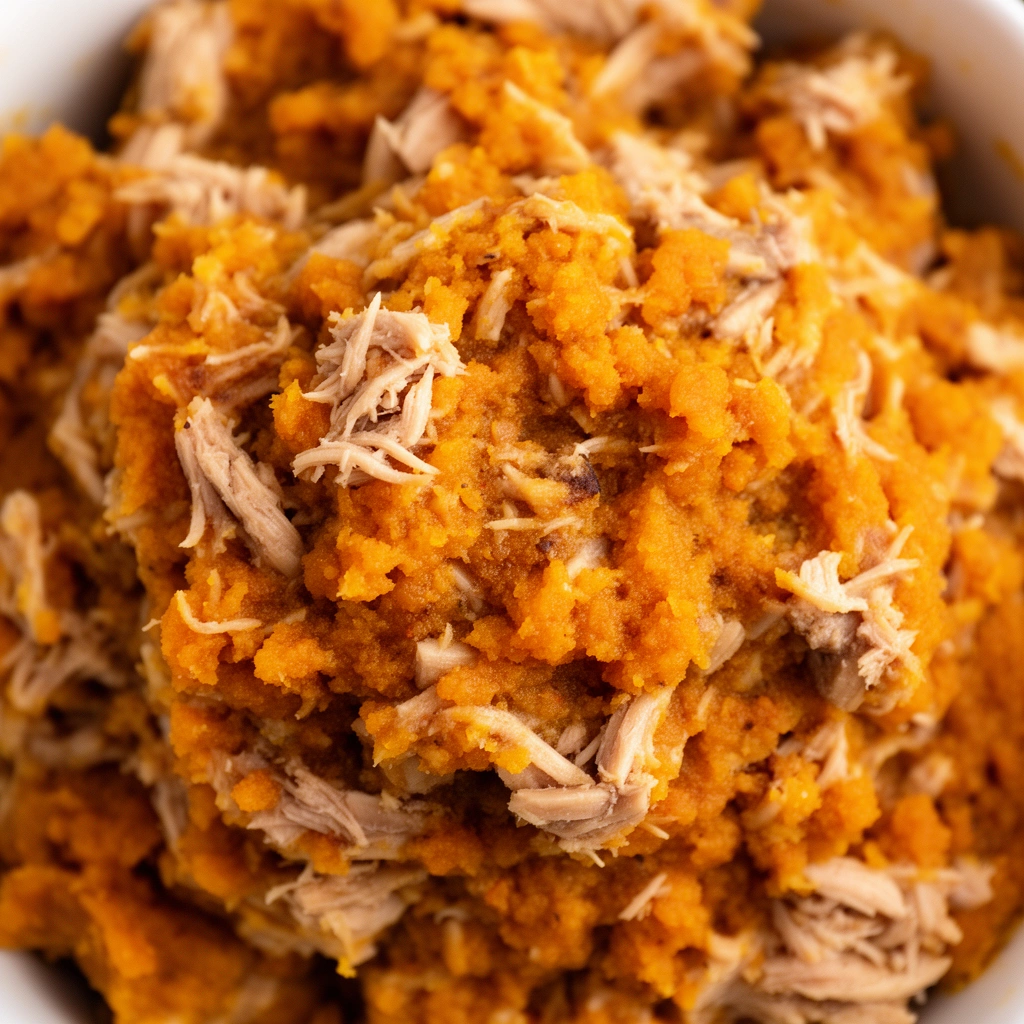
- 1 pound of ground turkey (preferably lean, 93/7 or leaner)
- 1 cup of pure pumpkin puree (canned is fine, just check the label)
- 1 cup of cooked brown rice or rolled oats
- 1 medium carrot, finely chopped or shredded
- 1 small zucchini, diced small
- 2 tablespoons of plain Greek yogurt (unsweetened, no xylitol)
- 1 egg (shell removed, obviously)
- 1 tablespoon of fish oil or flaxseed oil
- A pinch of turmeric (optional, but great for inflammation)
- Water, as needed for consistency
Step-by-Step Cooking Process
I’m going to walk you through exactly how I make this so you don’t mess it up on your first try.
- Cook the turkey first. Toss the ground turkey into a large skillet over medium heat. Break it apart as it cooks so there aren’t any big clumps. Cook until there’s no pink left, about 8 to 10 minutes.
- Prep your veggies while the turkey cooks. Finely chop your carrot and zucchini. The smaller the pieces, the easier it is for your dog to digest, especially if you’ve got a smaller breed.
- Cook your rice or oats separately. If you’re using brown rice, cook it according to package directions. Oats can be cooked in water on the stovetop for a few minutes until soft.
- Combine turkey and veggies. Once your turkey is fully cooked, add the chopped carrot and zucchini right into the skillet. Let them cook together for another 5 minutes until the veggies soften up.
- Add the pumpkin puree. Stir in your pumpkin puree once the veggies are soft. Mix everything together so the pumpkin coats the turkey and veggies evenly.
- Mix in your binder. Add the cooked rice or oats into the skillet. Stir well until everything is fully combined.
- Crack in the egg. Turn the heat down to low and crack the egg directly into the mixture. Stir quickly so it cooks through and blends into the rest of the food.
- Finish with yogurt and oil. Take the skillet off the heat. Stir in the Greek yogurt and fish oil or flaxseed oil. These add extra creaminess and a boost of healthy fats.
- Cool completely before serving. This part matters more than people think. Let the mixture cool to room temperature before you portion it out. Hot food can burn your dog’s mouth.
- Portion and store. Divide into meal-sized portions based on your dog’s weight and store in airtight containers.
Tips for Success
I’ve learned a few things the hard way, so let me save you some trouble.
- Always use plain pumpkin puree, never pumpkin pie mix. The spices and sugar in pie mix can upset your dog’s stomach or even be toxic in some cases.
- Don’t skip the cooling step. I once served this too warm and my dog wouldn’t touch it until it cooled down further.
- Portion sizes depend on your dog’s weight, activity level, and any health conditions. A general rule is about 2 to 3% of your dog’s body weight per day, split into two meals.
- Talk to your vet before making homemade food a regular thing. Every dog has different needs, and a vet can help you figure out if this recipe covers everything your pup needs long term.
- Store extras in the fridge for up to 4 days or freeze in individual portions for up to 3 months.
- Introduce this food slowly if your dog is used to kibble. Mix a small amount into their regular food for a few days before fully switching over.
Common Mistakes and How to Avoid Them
I’ve messed up plenty of times before getting this recipe just right. Here’s what to watch for.
Using seasoned turkey
: Never buy pre-seasoned ground turkey. Garlic and onion powder, common in seasoning blends, are toxic to dogs.
Skipping the binder
: Leaving out rice or oats might seem like it saves time, but it actually makes the texture too mushy and less filling for your dog.
Overcooking the veggies
: Mushy, overcooked veggies lose a lot of their nutritional value. Keep an eye on cook time so they stay slightly firm.
Not measuring portions
: Feeding too much homemade food can lead to weight gain just as fast as kibble can. Always measure based on your dog’s specific weight.
Forgetting variety
: Feeding the exact same recipe every single day for months can lead to nutrient gaps. Rotate in different proteins and veggies every couple weeks.
Variations You Can Try
Once you’ve got the base recipe down, it’s fun to switch things up a bit.
- Turkey and Sweet Potato: Swap out the pumpkin for mashed sweet potato if your dog needs a change of pace.
- Turkey and Pumpkin with Peas: Add a handful of frozen peas instead of zucchini for a slightly sweeter flavor profile.
- Grain-Free Version: Replace rice or oats with cooked quinoa or extra pumpkin for dogs with grain sensitivities.
- Chicken and Pumpkin Alternative: If your dog isn’t a fan of turkey, ground chicken works just as well and keeps that lean protein profile intact.
- Beef and Pumpkin Mix: For dogs needing extra iron, swap turkey for lean ground beef, though this ups the fat content slightly.
- Senior Dog Version: Add extra pumpkin and reduce protein slightly for older dogs with kidney concerns, but always check with your vet first for senior-specific needs.
Wrapping It Up
Making your own dog food doesn’t have to feel overwhelming or complicated. This pumpkin and turkey dog food recipe proves that a few simple, wholesome ingredients can turn into a meal your dog actually looks forward to. I’ve seen firsthand how something this easy can make a real difference in a dog’s energy, digestion, and overall happiness.
So next time you’re standing in your kitchen wondering what to feed your furry best friend, give this homemade pumpkin and turkey dog food recipe a shot. Your dog’s wagging tail will tell you everything you need to know.