Homemade Bone Broth For Dogs: A Complete Guide To Boosting Your Pup’s Health
Ever caught your dog staring at you with those big, hopeful eyes while you’re cooking dinner? I know that feeling well. That’s actually how I first got curious about homemade bone broth for dogs. My own pup had a sensitive stomach, and my vet suggested I try adding something gentle and nutritious to his meals. Bone broth turned out to be exactly what we needed.
If you’ve been searching for a simple, natural way to support your dog’s joints, digestion, and overall wellness, you’re in the right spot. I’m going to walk you through everything you need to know about making bone broth at home, safely and correctly.
What Exactly Is Bone Broth For Dogs?
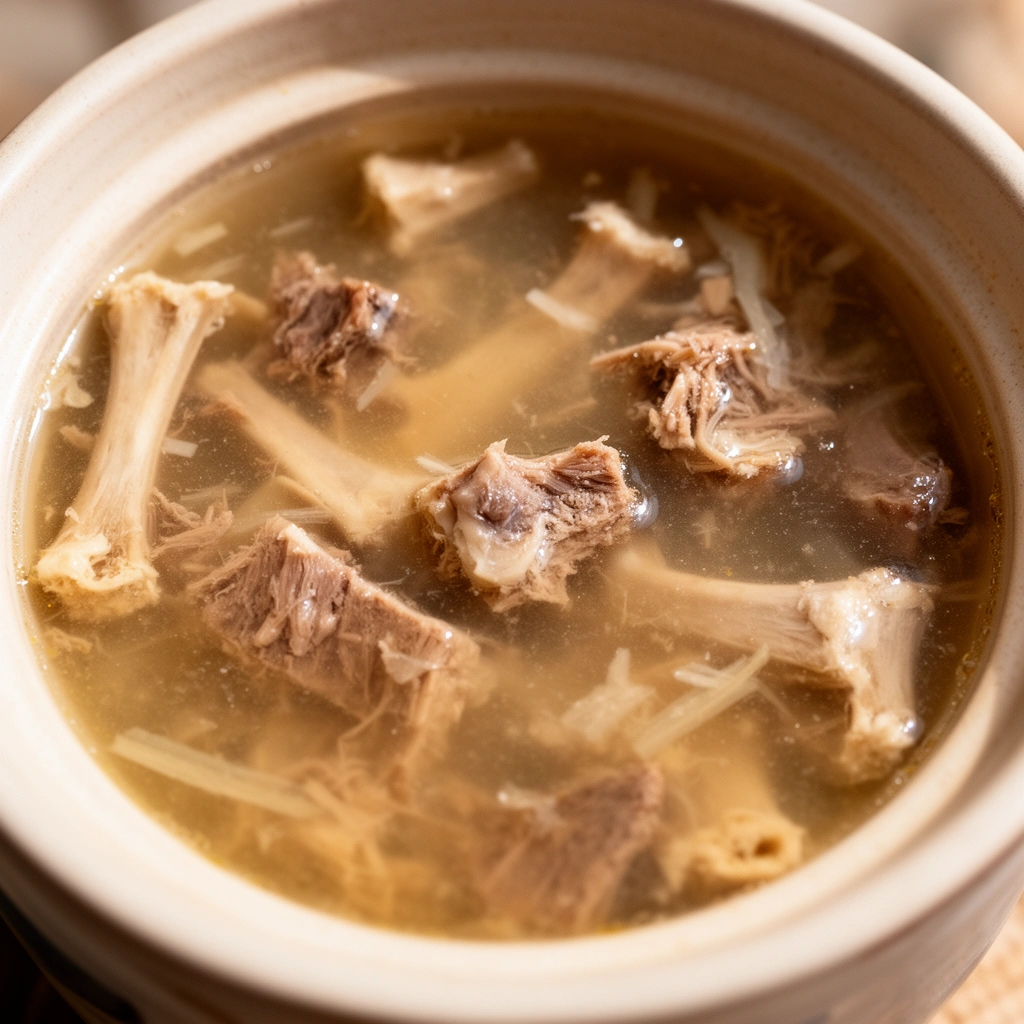
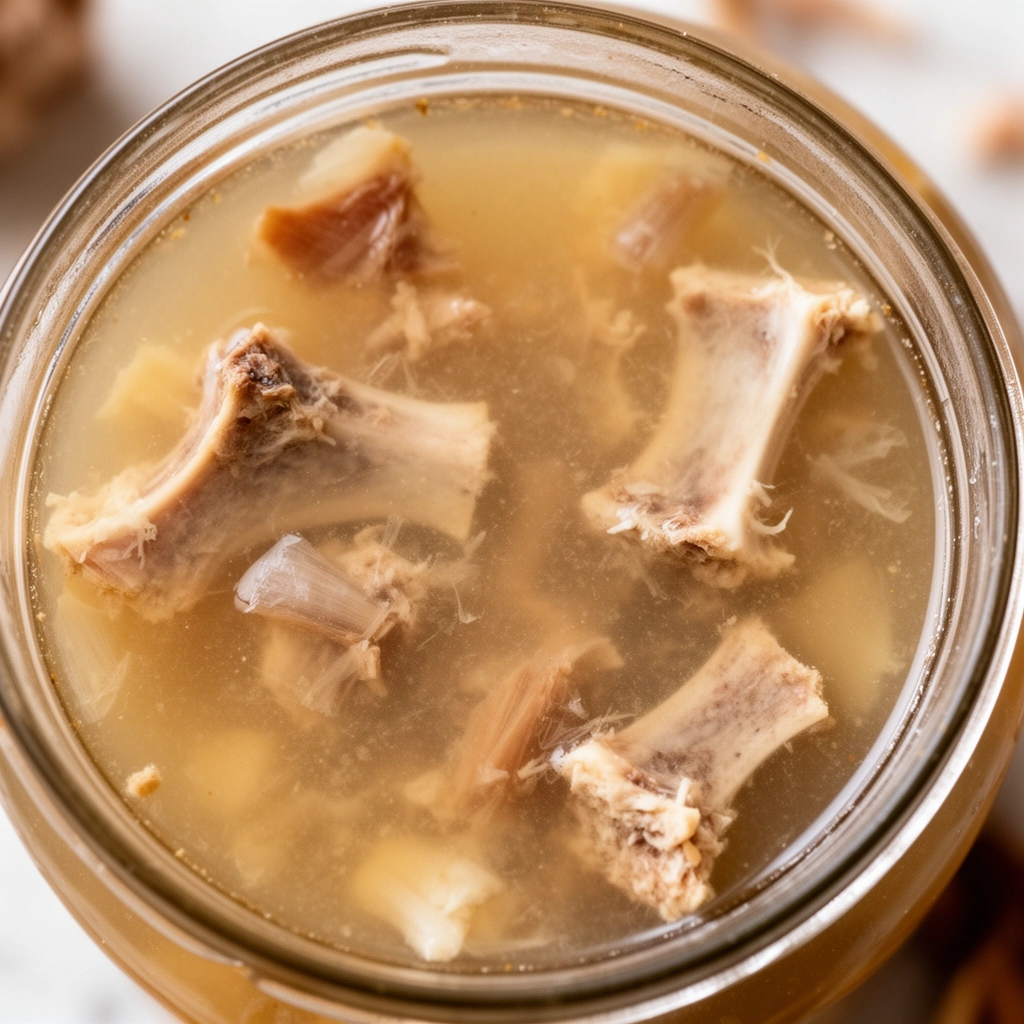
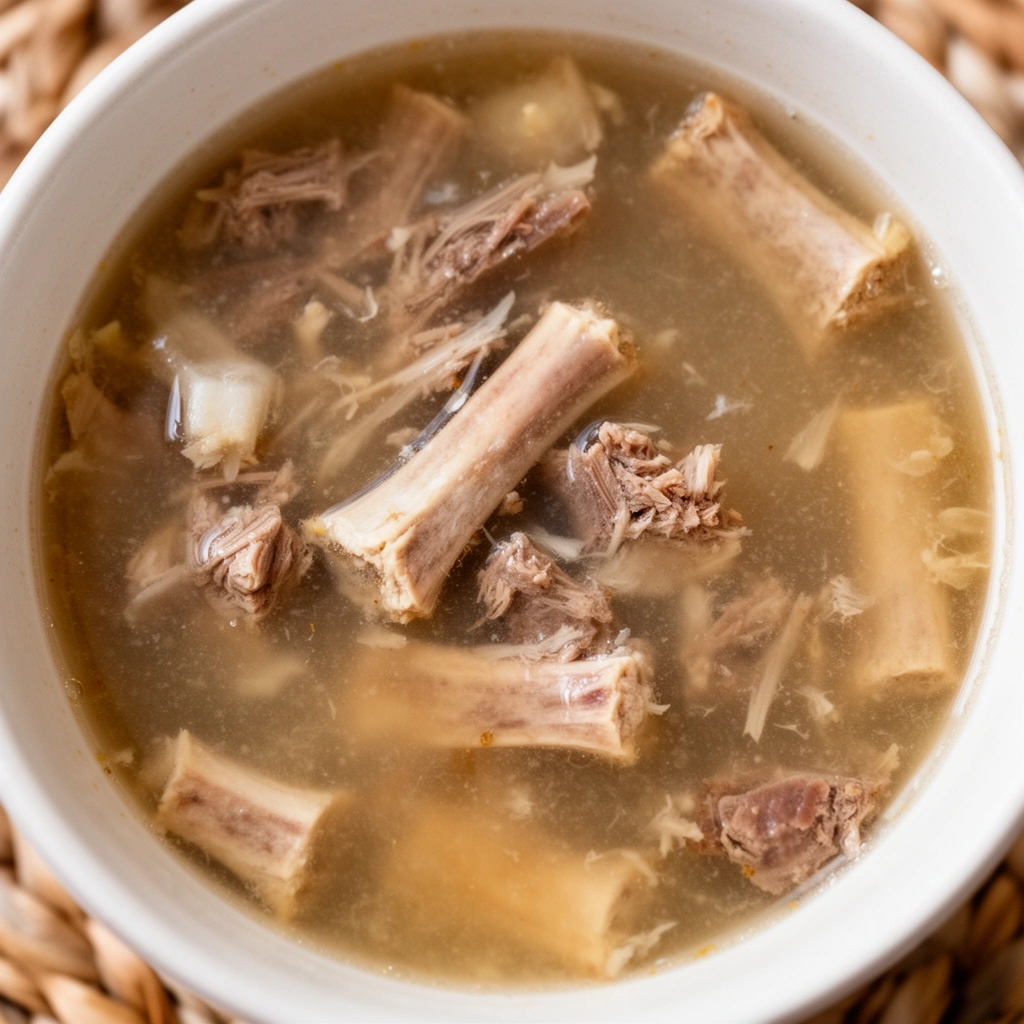
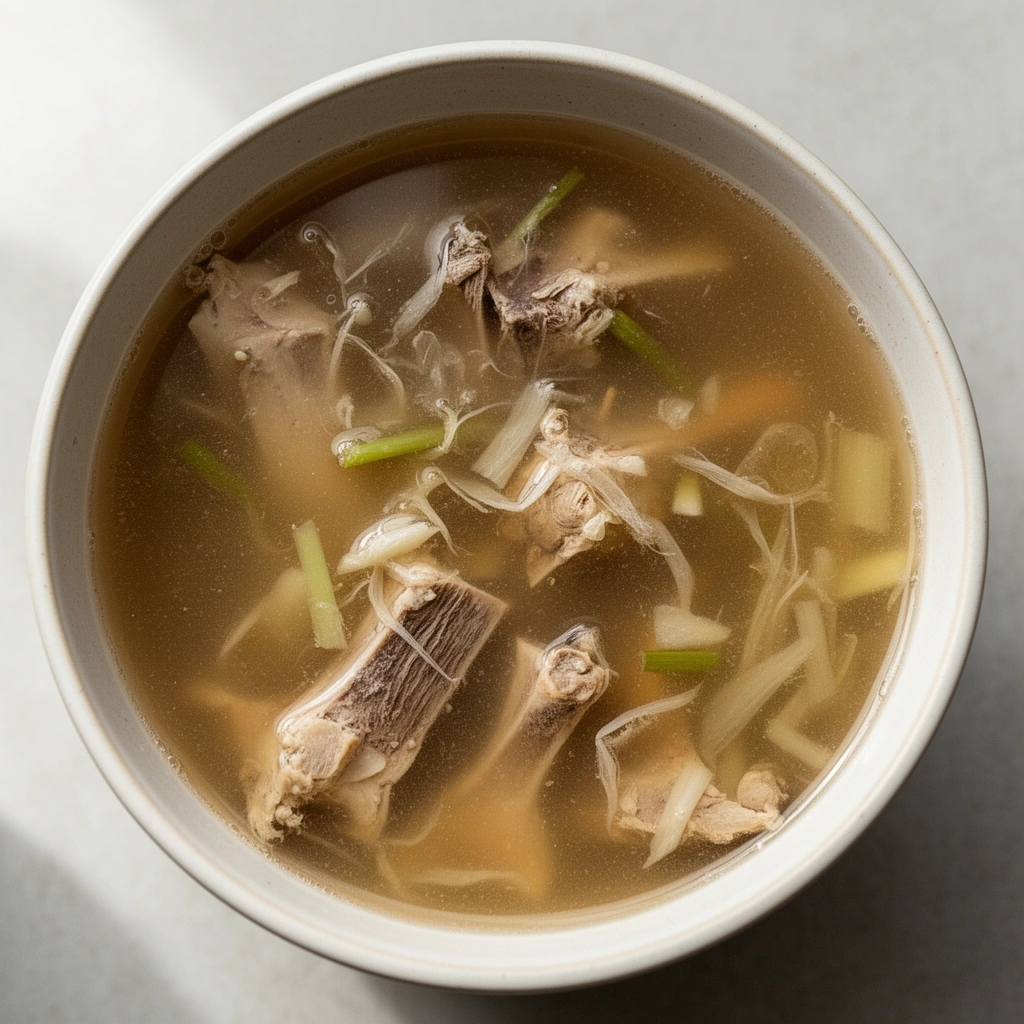
Bone broth is basically a slow-simmered liquid made from animal bones, connective tissue, and sometimes a bit of meat. Unlike stock, which cooks for a shorter time, bone broth simmers low and slow, sometimes for 24 hours or more. This long cooking process pulls out collagen, minerals, and amino acids from the bones and turns them into a gelatin-rich liquid.
Think of it as a nutrient-packed drink you can pour over kibble, freeze into treats, or offer on its own. It’s not a replacement for a balanced diet, but it’s a fantastic addition.
Here are some key terms you’ll want to understand before you start:
Collagen
: A protein found in bones and connective tissue that supports joint and skin health.
Gelatin
: The substance collagen turns into when cooked; it gives broth its jelly-like texture once cooled.
Glucosamine
: A natural compound released from bones during cooking that helps cushion joints.
Marrow
: The soft tissue inside bones, rich in fat and nutrients.
Apple Cider Vinegar (ACV)
: A mild acid added to help draw minerals out of the bones during cooking.
Why Bone Broth Is Good For Your Dog
I won’t pretend bone broth is some magic cure-all. But there’s real value here, especially for dogs dealing with certain issues.
- Supports joint health and mobility, especially helpful for senior dogs or breeds prone to hip and joint problems
- Soothes upset stomachs and can help with mild digestive issues
- Adds hydration, which is great for dogs who don’t drink enough water
- Encourages picky eaters to finish their meals
- Provides a gentle way to sneak in extra nutrients without overfeeding
- Supports skin and coat health thanks to collagen content
Dogs recovering from surgery or illness often benefit too, since bone broth is easy to digest and gentle on the gut.
Ingredients You’ll Need
Here’s what typically goes into a safe, dog-friendly bone broth. I want to be specific here because a lot of articles skip the details on quantities and safe additions.
- 2 to 3 pounds of bones (chicken feet, beef knuckle bones, oxtail, or turkey necks work well)
- 1 tablespoon of apple cider vinegar
- Enough filtered water to cover the bones by about 2 inches
- Optional: a handful of dog-safe vegetables like carrots, celery, or parsley
- Optional: turmeric (a pinch) for added anti-inflammatory benefits
Important note: Never use cooked bones straight from your dinner table. Cooked bones splinter easily and can cause choking or internal injury. Raw bones are what you want here since they’ll be simmered for hours anyway.
Step-By-Step: How To Make Bone Broth At Home
I’ve tested this recipe more times than I can count, tweaking it until it became foolproof. Here’s exactly how to do it.
- Choose your bones. Raw bones from a butcher or grocery store work best. Chicken feet and beef knuckles are especially rich in collagen.
- Rinse the bones under cold water to remove any debris.
- Place bones in a large pot or slow cooker. A slow cooker is ideal because it maintains a steady low temperature.
- Add the apple cider vinegar. This helps break down the bones and release minerals into the liquid.
- Cover with filtered water, leaving about 2 inches above the bones.
- Add vegetables if using. Skip onions and garlic completely, they’re toxic to dogs.
- Simmer on low heat. For a slow cooker, cook on low for 20 to 24 hours. On the stovetop, keep it at the lowest simmer for 12 to 24 hours.
- Skim off any foam or fat that rises to the top during the first few hours.
- Let the broth cool completely. Strain it through a fine mesh sieve to remove all bone fragments and solids.
- Store in the fridge or freezer once fully cooled.
That’s it. It sounds like a long process, but most of it is hands-off simmering.
Serving Sizes And Storage
This is one area a lot of guides gloss over, and it matters a lot.
- Small dogs (under 20 lbs): 2 to 4 tablespoons per serving
- Medium dogs (20-50 lbs): 1/4 to 1/2 cup per serving
- Large dogs (50+ lbs): 1/2 to 1 cup per serving
You can serve bone broth once or twice a day, mixed into meals or as a standalone treat. Store it in the fridge for up to 5 days, or freeze it in ice cube trays for up to 3 months. Frozen cubes are perfect for quick, mess-free portions.
Tips For Success
- Use a slow cooker if you have one. It’s the easiest way to maintain a steady simmer without babysitting the pot.
- Always let the broth cool before serving. Hot broth can burn your dog’s mouth.
- Skim the fat layer off the top before serving to avoid an upset stomach, especially for dogs prone to pancreatitis.
- Label your frozen portions with the date so you know when to use them by.
- Start with small amounts if your dog has never had bone broth before, just to see how their stomach handles it.
Common Mistakes And How To Avoid Them
Using cooked bones
: These splinter easily and are dangerous. Stick to raw bones only.
Adding onions or garlic
: Both are toxic to dogs, even in small amounts. Skip them entirely, no matter what a human recipe suggests.
Adding too much salt or seasoning
: Dogs don’t need seasoning, and excess sodium isn’t good for them. Keep it plain.
Serving broth too hot
: Always cool it to room temperature or slightly warm before giving it to your dog.
Skipping the straining step
: Small bone fragments can slip through if you don’t strain thoroughly. Use a fine mesh sieve, not just a colander.
Overfeeding broth
: Too much bone broth can cause loose stools. Stick to recommended serving sizes and treat it as a supplement, not a meal replacement.
Variations You Can Try
Once you’ve got the basic method down, feel free to experiment a little.
- Beef bone broth: Great for dogs who need extra iron and richer flavor.
- Fish bone broth: Made with fish carcasses, this is a lighter option packed with omega-3 fatty acids.
- Turkey or chicken broth: Milder in flavor, often a good starting point for picky eaters.
- Vegetable-boosted broth: Add dog-safe veggies like pumpkin, sweet potato, or spinach for extra fiber and vitamins.
- Turmeric and ginger broth: A small pinch of each can offer anti-inflammatory support for older dogs with joint pain.
Just remember to always research any new ingredient before adding it, since not everything safe for humans is safe for dogs.
Wrapping It Up
Making homemade bone broth for dogs isn’t complicated once you know the steps. It just takes patience and the right ingredients. Whether your dog needs a digestive boost, joint support, or just a tasty addition to mealtime, this simple recipe delivers real benefits without any weird additives or preservatives.
I’ve made this broth countless times for my own dog, and honestly, watching him enjoy every last drop makes the long simmer time totally worth it. Give homemade bone broth for dogs a try, your pup’s tail wags will tell you everything you need to know about how much they appreciate it.