Homemade Dog Gravy Recipe: The Ultimate Guide to Making Your Pup’s Food Irresistible
Ever watched your dog sniff their bowl, give you that sad puppy-eye look, then walk away without eating? I’ve been there. That’s exactly why I started making homemade dog gravy. It’s a game changer for picky eaters, senior dogs with less enthusiasm for dry kibble, and honestly, any pup who deserves a little extra love on their plate.
This homemade dog gravy recipe isn’t just about making food taste better. It’s about sneaking in extra nutrients, keeping your dog hydrated, and turning mealtime into something they actually look forward to. And the best part? You control every single ingredient that goes into it.
What Exactly Is Dog Gravy (And Why Your Pup Needs It)
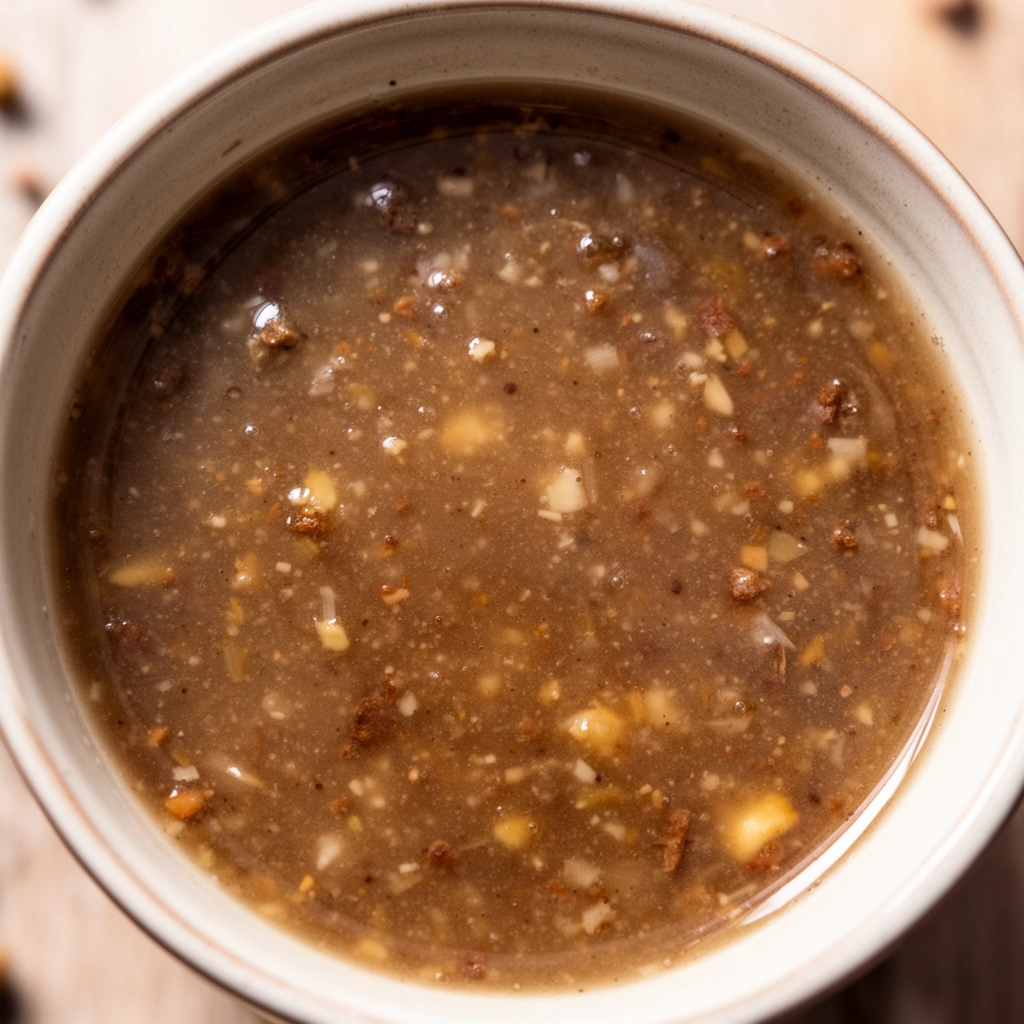
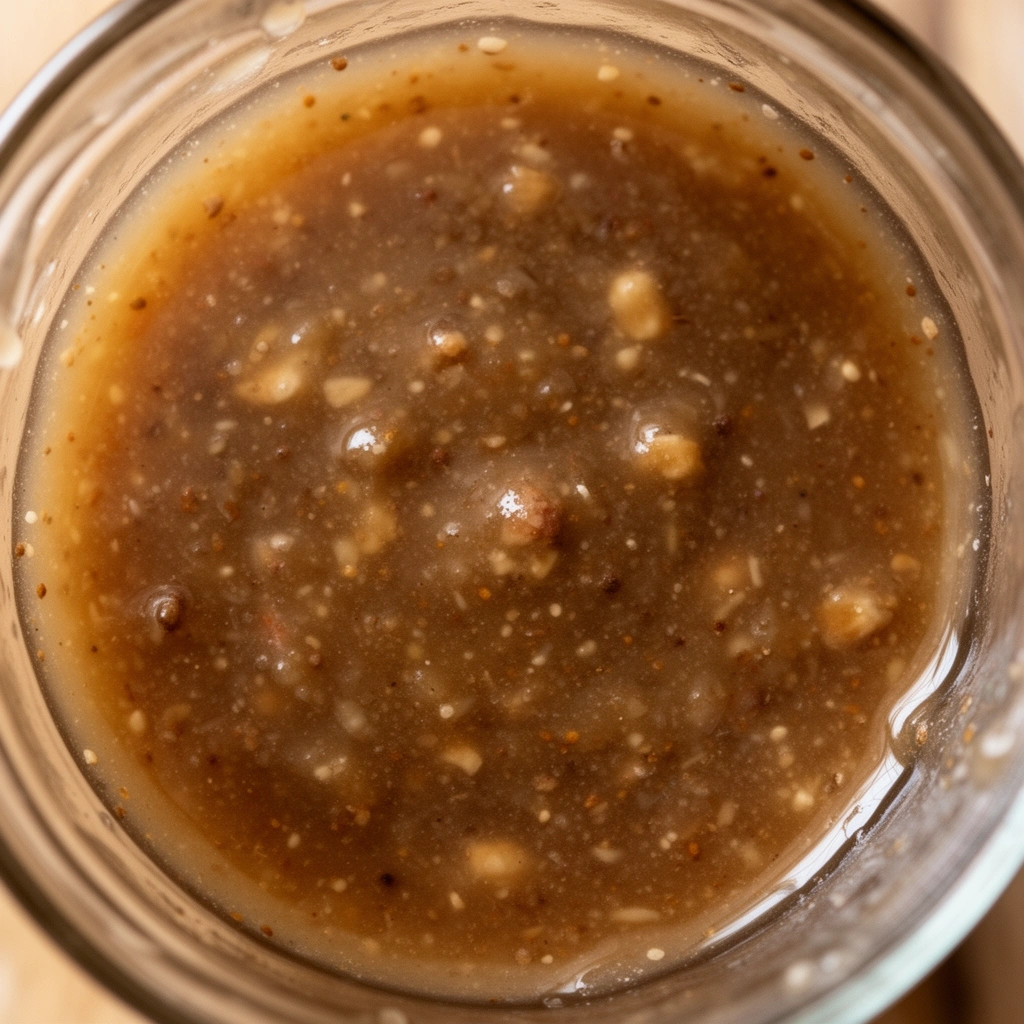
So what am I actually talking about here? Dog gravy is a thin, savory sauce made from broth, meat, and sometimes vegetables, poured over kibble or mixed into wet food. Think of it like the gravy you’d pour over mashed potatoes, except this one is made specifically with canine nutrition in mind.
Unlike store-bought gravy packets loaded with sodium, preservatives, and mystery flavorings, homemade versions give you full transparency. You know what’s in the bowl. No guesswork, no hidden salt bombs, no artificial colors that serve zero nutritional purpose.
Here’s a quick breakdown of terms you’ll want to know before diving in:
Bone Broth
: A slow-simmered liquid made from animal bones, connective tissue, and sometimes meat scraps, rich in collagen and minerals.
Thickening Agent
: An ingredient like cornstarch, arrowroot powder, or pureed vegetables used to give gravy its signature consistency.
Aromatics
: Flavor-boosting ingredients such as garlic-free herbs, ginger, or parsley that are safe for dogs and enhance taste without harmful additives.
Topper
: Any food added on top of a dog’s regular meal to increase palatability or nutritional value.
Rehydration
: The process of adding moisture back into dry kibble, which helps with digestion and hydration, especially in older dogs.
Ingredients You’ll Actually Need
Before you start cooking, gather these simple staples. Most of them are probably already sitting in your kitchen.
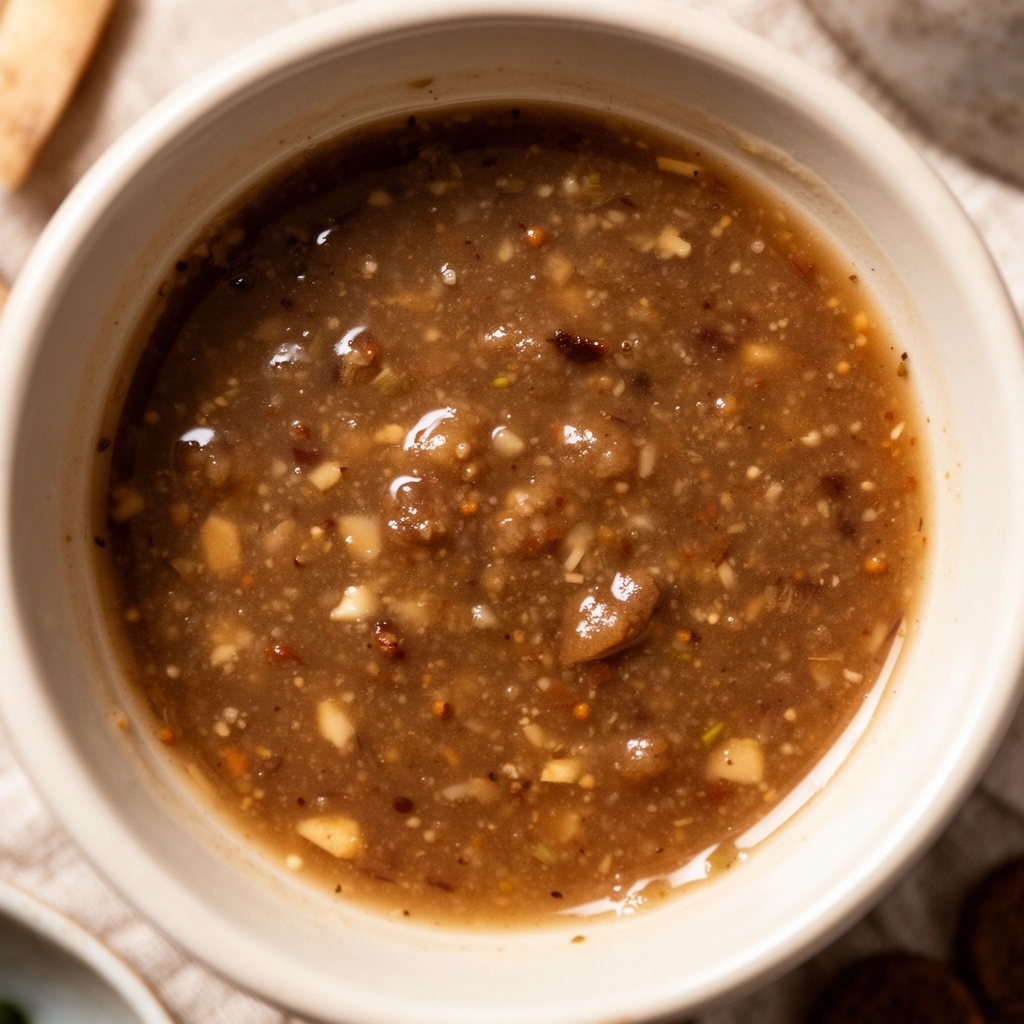
- 2 cups low-sodium chicken or beef broth (unsalted, no onion or garlic)
- 1 cup water
- 1 tablespoon plain, unflavored gelatin (optional, for extra joint support)
- 1 tablespoon arrowroot powder or cornstarch
- 1/2 cup cooked, shredded chicken or beef (optional, for extra protein)
- 1/4 cup pureed pumpkin (adds fiber and a slightly sweet taste dogs love)
- A pinch of turmeric (anti-inflammatory benefits)
Notice what’s missing? Onion, garlic, excessive salt, and artificial thickeners. Those ingredients are toxic or unhealthy for dogs, and skipping them is non-negotiable.
Step-by-Step: How to Make Homemade Dog Gravy
Alright, let’s get into the actual cooking. This process takes about 15 minutes, start to finish.
- Pour the broth and water into a medium saucepan over medium heat.
- Let the liquid warm up for about 3 minutes, stirring occasionally so it doesn’t stick to the bottom.
- In a small bowl, mix the arrowroot powder (or cornstarch) with two tablespoons of cold water. Stir until smooth. This step prevents clumping later.
- Slowly pour the slurry into the warming broth while whisking continuously.
- Reduce heat to low and let the mixture simmer for 5 minutes, stirring every minute or so, until it thickens slightly.
- Add the shredded meat and pumpkin puree if you’re using them.
- Sprinkle in the turmeric for a little anti-inflammatory boost.
- Stir everything together and let it simmer for another 2 minutes.
- Remove from heat and let the gravy cool to room temperature before serving.
- Pour over kibble, wet food, or use as a standalone treat in small amounts.
That’s it. No fancy equipment, no complicated techniques. Just a saucepan, a whisk, and about 15 minutes of your time.
Tips for Success
I’ve made this recipe more times than I can count, and here’s what actually makes a difference:
- Use low-sodium broth always. Regular broth often contains way more salt than a dog’s kidneys can handle.
- Check labels twice. Some “dog-safe” broths still sneak in onion powder. Read every ingredient.
- Cool before serving. Hot gravy can burn a dog’s mouth just like it would yours.
- Start with small portions. If your dog has never had gravy before, introduce it gradually to avoid stomach upset.
- Store it properly. Homemade gravy without preservatives spoils faster than store-bought versions, so refrigerate within two hours of cooking.
- Freeze in batches. Ice cube trays work great for portioning out gravy for later use.
Common Mistakes and How to Avoid Them
I’ve made a few blunders along the way, and I’d rather you skip them entirely.
Mistake: Using regular table salt or salted broth
Why it’s a problem: Excess sodium can lead to serious health issues in dogs, including dehydration and sodium ion poisoning in severe cases.
How to avoid it: Always choose unsalted or low-sodium broth, and never add salt yourself.
Mistake: Adding onion or garlic for flavor
Why it’s a problem: Both are toxic to dogs and can cause damage to red blood cells.
How to avoid it: Stick to dog-safe herbs like parsley or a pinch of turmeric instead.
Mistake: Making gravy too thick
Why it’s a problem: Overly thick gravy can be harder for some dogs to digest and doesn’t rehydrate kibble effectively.
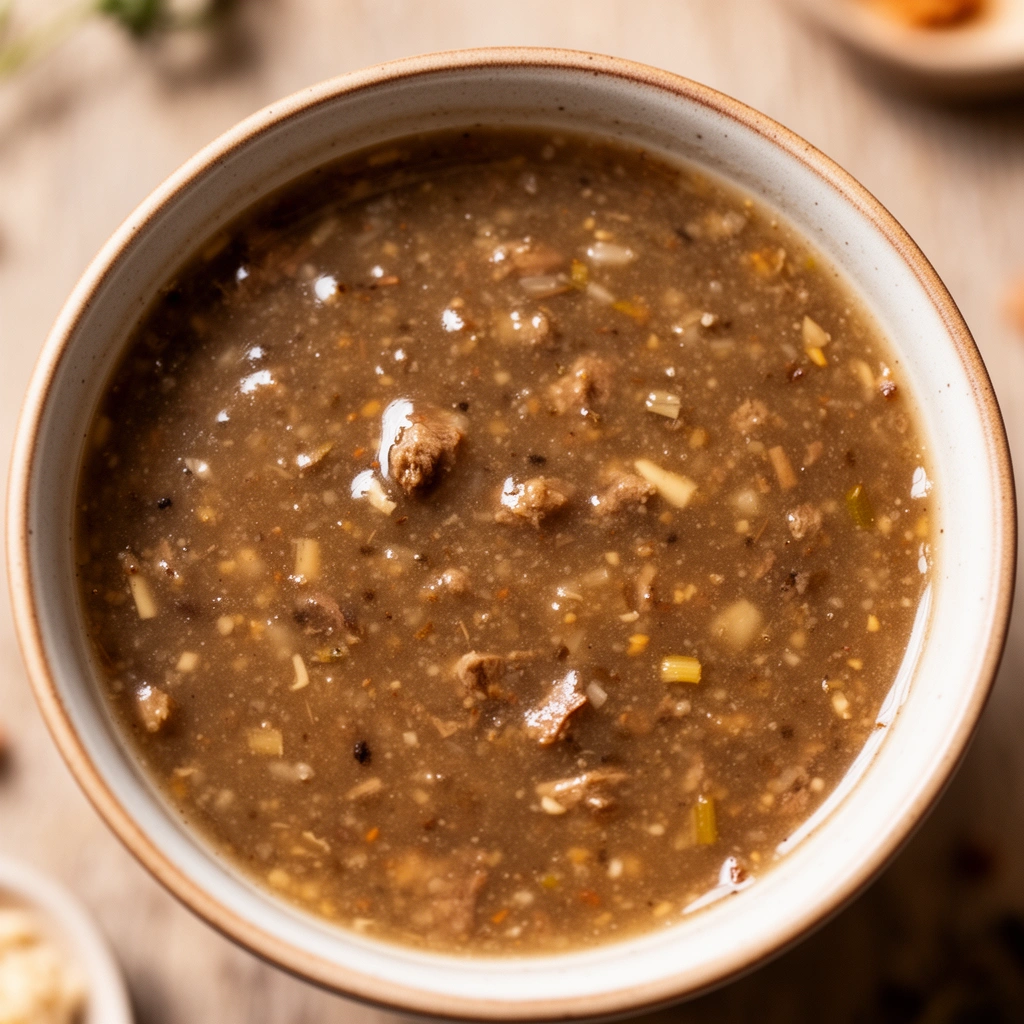
How to avoid it: Aim for a consistency similar to heavy cream, not pudding.
Mistake: Storing gravy at room temperature
Why it’s a problem: Bacteria grows fast in protein-rich liquids left out.
How to avoid it: Refrigerate promptly and use within 3-4 days, or freeze for longer storage.
Mistake: Skipping the vet check for dogs with health conditions
Why it’s a problem: Dogs with kidney disease, pancreatitis, or specific dietary restrictions may need modified recipes.
How to avoid it: Always run new recipes by your vet, especially for dogs with existing health issues.
Variations You Can Try
Once you’ve nailed the basic recipe, feel free to get creative. Here are some variations I’ve tested with my own dogs:
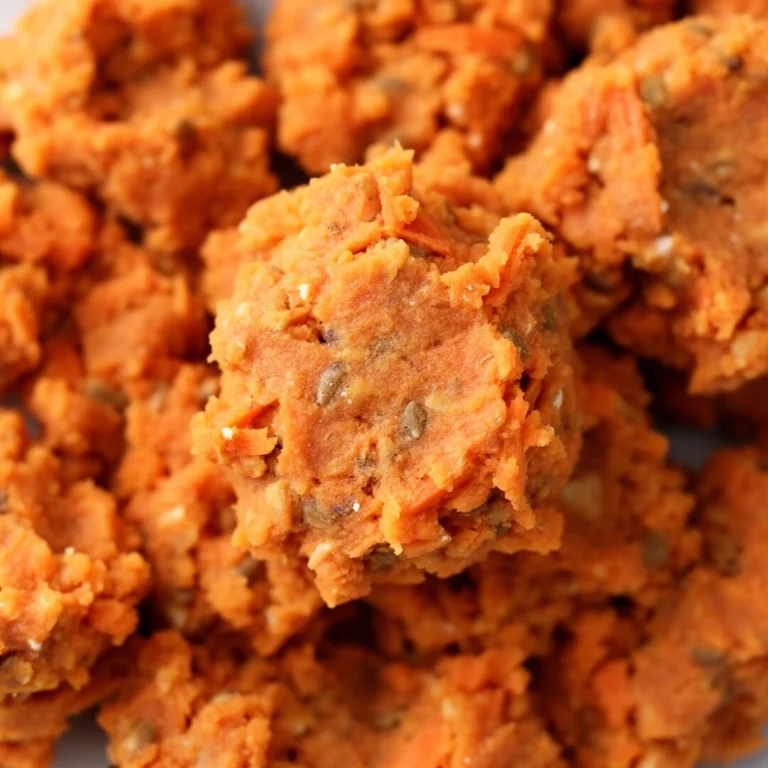
- Beef and Sweet Potato Gravy: Swap chicken broth for beef broth and add mashed sweet potato instead of pumpkin.
- Fish-Based Gravy: Use salmon or sardine broth for dogs who need omega-3 boosts, especially good for skin and coat health.
- Turkey and Cranberry Gravy: A great holiday-themed option using turkey broth and a small amount of unsweetened cranberry puree.
- Bone Broth Only Version: Skip the meat and thickener entirely for a lighter, more digestible option perfect for dogs recovering from illness.
- Vegetable-Boosted Gravy: Add finely pureed carrots, green beans, or zucchini for extra fiber and vitamins.
Each variation keeps the same base technique but swaps ingredients depending on what your dog needs nutritionally or what flavors they respond to best.
Wrapping It Up
Making homemade dog gravy really doesn’t require culinary genius. It just takes a bit of time, the right ingredients, and a willingness to skip the shortcuts that come in store-bought packets. Your dog gets better nutrition, more hydration, and honestly, a happier mealtime experience.
I’ve seen firsthand how a simple drizzle of gravy can turn a reluctant eater into an enthusiastic one. Give this homemade dog gravy recipe a shot, watch your pup’s tail wag a little harder at dinnertime, and enjoy knowing exactly what’s going into their bowl every single time.