Food Rotation in Homemade Dog Food: A Comprehensive Guide
Hey friends! If you’re a dog parent like me, you know that feeding our furry friends the best is a top priority. Today, I want to dive into the topic of food rotation in homemade dog food. This is an essential practice that can significantly benefit your dog’s health and well-being. So, let’s get started!
What is Food Rotation in Homemade Dog Food?
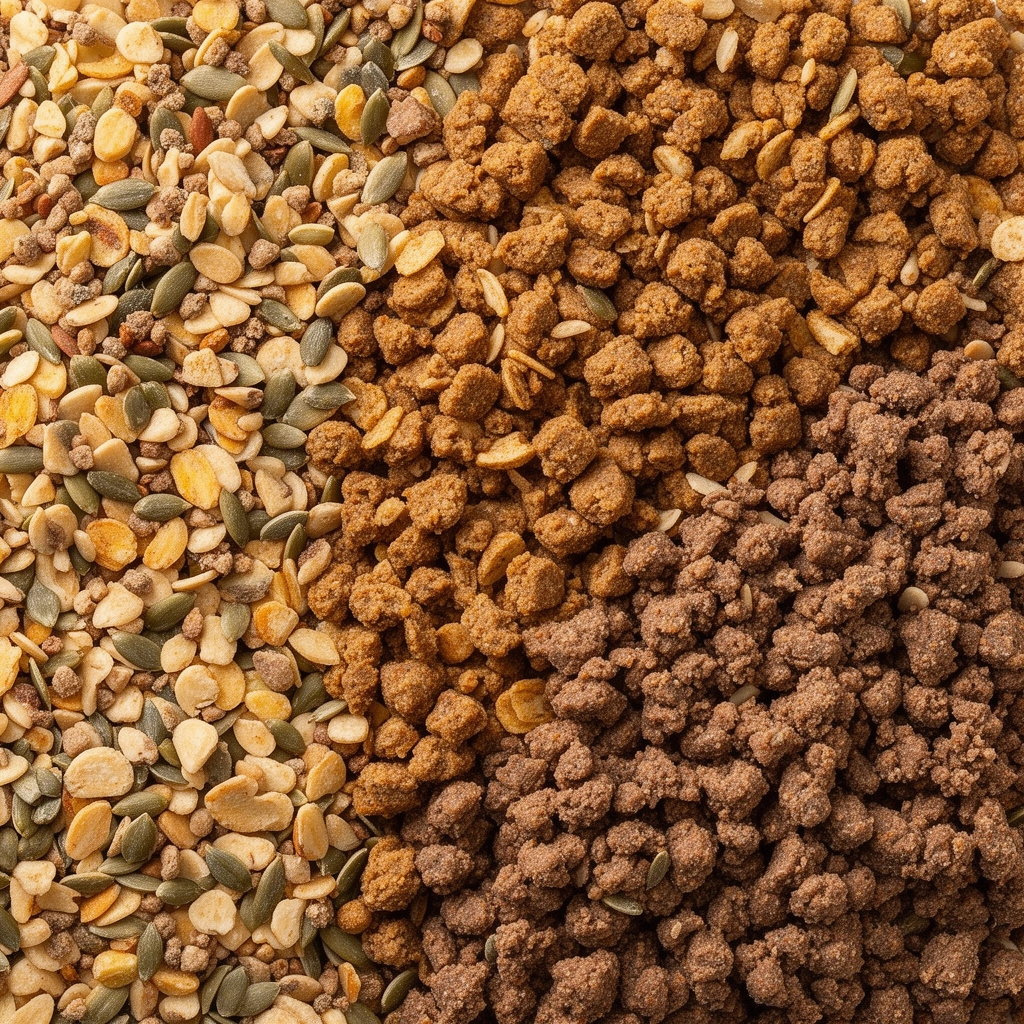
Food rotation involves alternating your dog’s diet with different recipes or ingredients to provide a balanced and varied nutritional profile. Think of it as a way to keep your dog’s meals exciting while ensuring they receive all the necessary nutrients.
Key Terms
- Nutritional Balance: Ensuring your dog gets the right amounts of proteins, fats, carbohydrates, vitamins, and minerals.
- Food Sensitivities: Reactions to specific ingredients that can cause digestive issues or allergies in dogs.
- Variety: Introducing different proteins, vegetables, and grains to your dog’s diet to prevent boredom and promote health.
Why is Food Rotation Important?
- Prevents Nutritional Deficiencies: By rotating food, your dog can absorb a broader spectrum of nutrients from various sources.
- Reduces Food Sensitivities: Dogs can develop sensitivities to certain ingredients over time. Rotating foods can help minimize this risk.
- Keeps Mealtime Interesting: Just like us, dogs can get bored with the same old meals. Variety can stimulate their appetite and encourage better eating habits.
How to Implement Food Rotation in Your Dog’s Diet
Implementing a food rotation strategy doesn’t have to be complicated. Here’s how to get started:
Step-by-Step Process
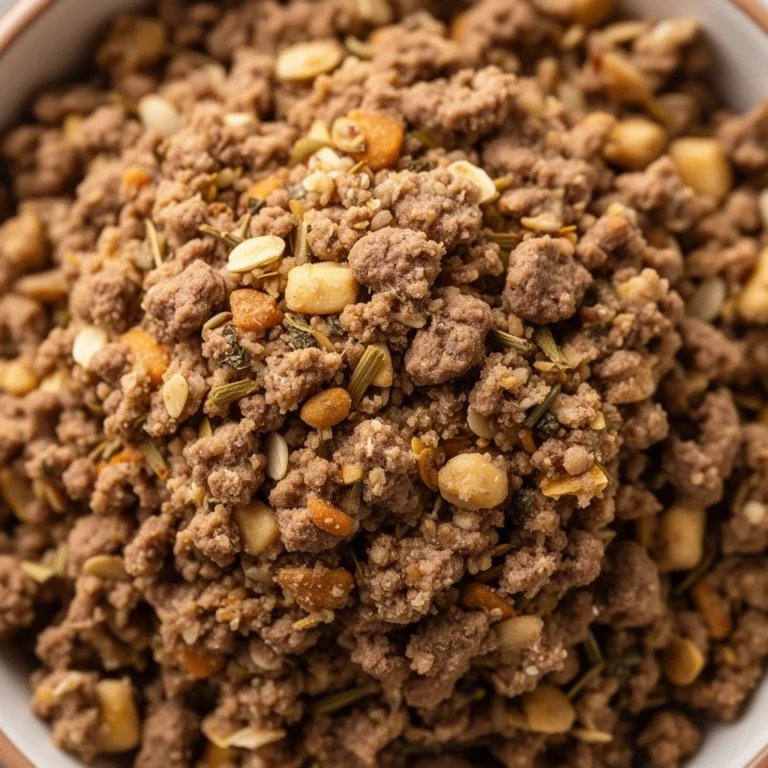
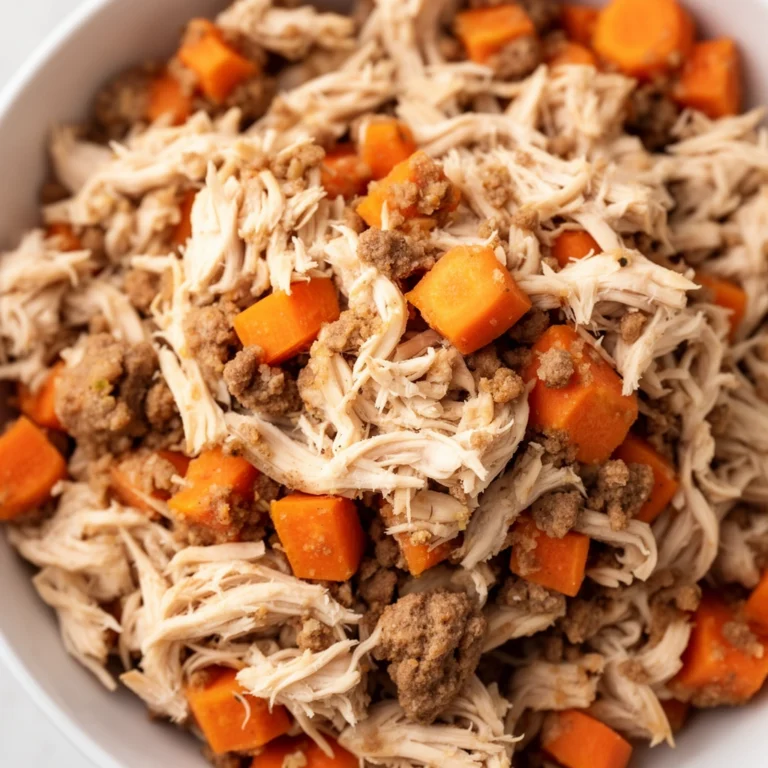
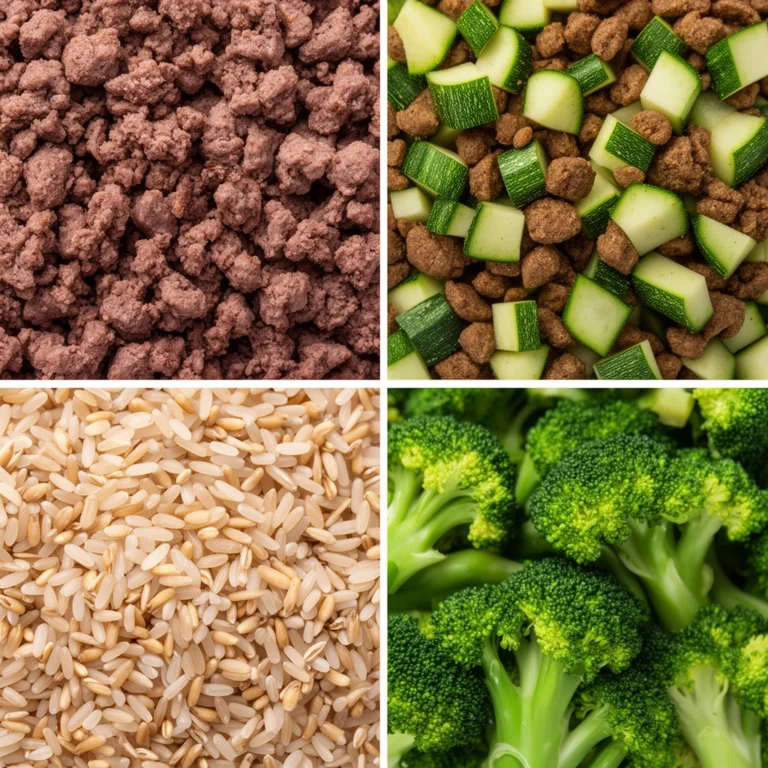
- Choose Base Ingredients: Start with a few base ingredients. Proteins like chicken, beef, turkey, and fish are great options.
- Incorporate Vegetables: Include a variety of dog-safe vegetables such as carrots, peas, sweet potatoes, and green beans.
- Add Grains (If Applicable): Some dogs thrive on grains, while others do better without them. Consider adding brown rice, quinoa, or oats.
- Plan Weekly Menus: Create a weekly meal plan that includes different proteins and vegetables for each day.
- Monitor Your Dog’s Reaction: Watch for any changes in your dog’s stool, energy levels, or behavior after introducing new foods. Adjust accordingly.
Example Weekly Menu
- Monday: Chicken, sweet potatoes, carrots
- Tuesday: Beef, brown rice, green beans
- Wednesday: Fish, quinoa, peas
- Thursday: Turkey, oats, pumpkin
- Friday: Lamb, potatoes, spinach
- Saturday: Rabbit, millet, zucchini
- Sunday: Chicken, barley, broccoli
Tips for Success
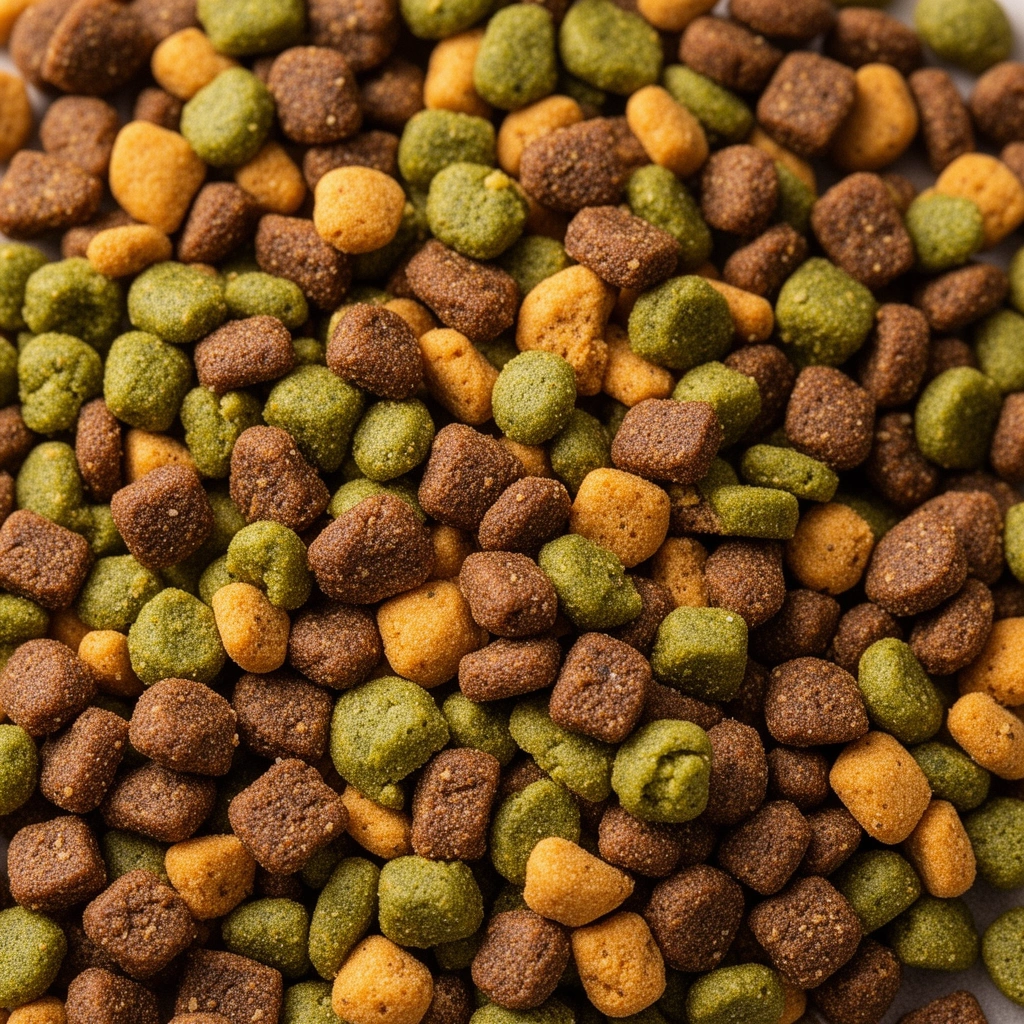
- Gradual Changes: When introducing new foods, do it gradually over a week to avoid digestive upset.
- Consult Your Vet: Always consult your veterinarian before making significant changes to your dog’s diet, especially if your dog has health concerns.
- Keep a Journal: Record what your dog eats and how they react to new foods. This will help you identify any potential allergens.
Common Mistakes and How to Avoid Them
- Not Consulting a Vet: Skipping this step can lead to nutritional imbalances. Always ensure your dog’s dietary changes suit their specific needs.
- Drastic Changes: Changing a dog’s diet too quickly can lead to gastrointestinal distress. Always transition gradually.
- Ignoring Portion Control: Overfeeding can lead to obesity. Make sure you’re measuring portions accurately based on your dog’s size and activity level.
Similar Variations You Can Try
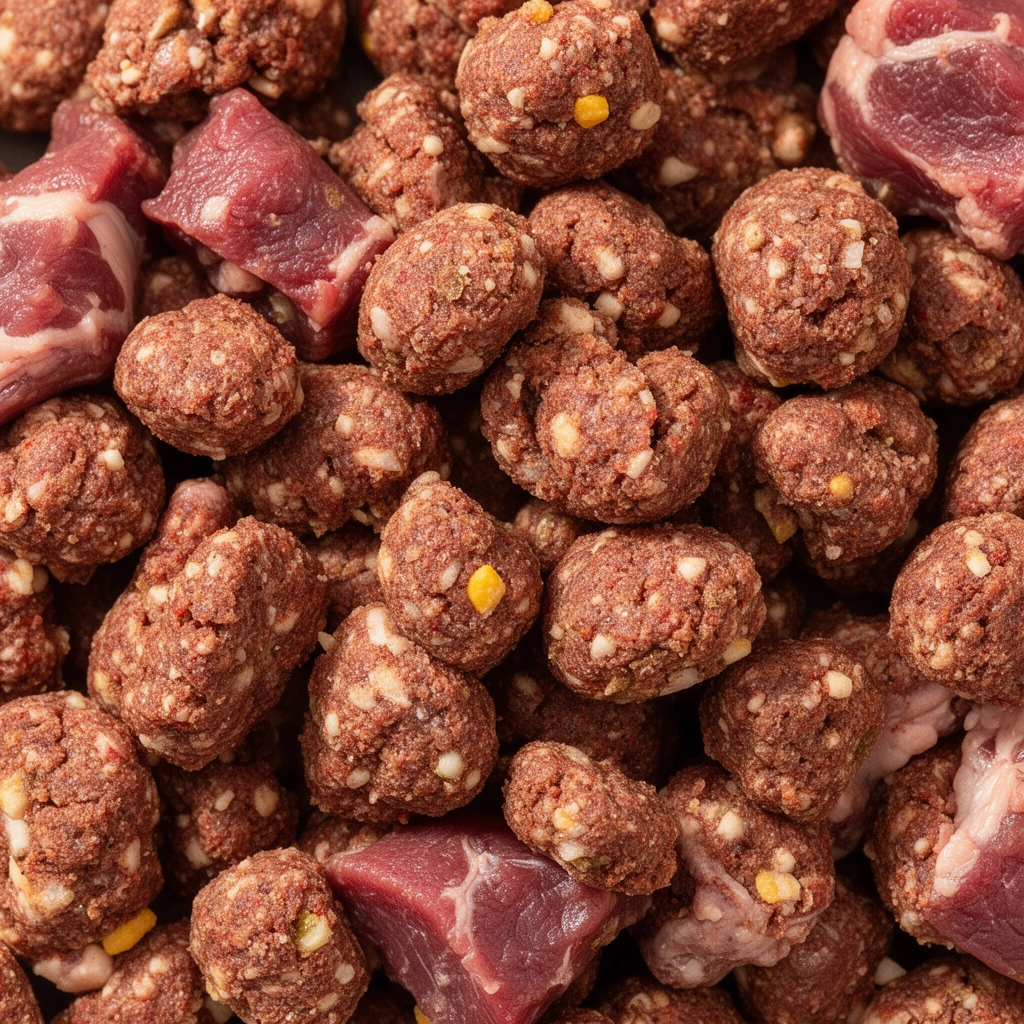
- Raw Food Rotation: If you’re into raw feeding, rotate different protein sources like organ meats, muscle meats, and bones.
- Vegetarian Options: Some dogs thrive on a vegetarian diet. Rotate between beans, lentils, and various vegetables for a balanced meal.
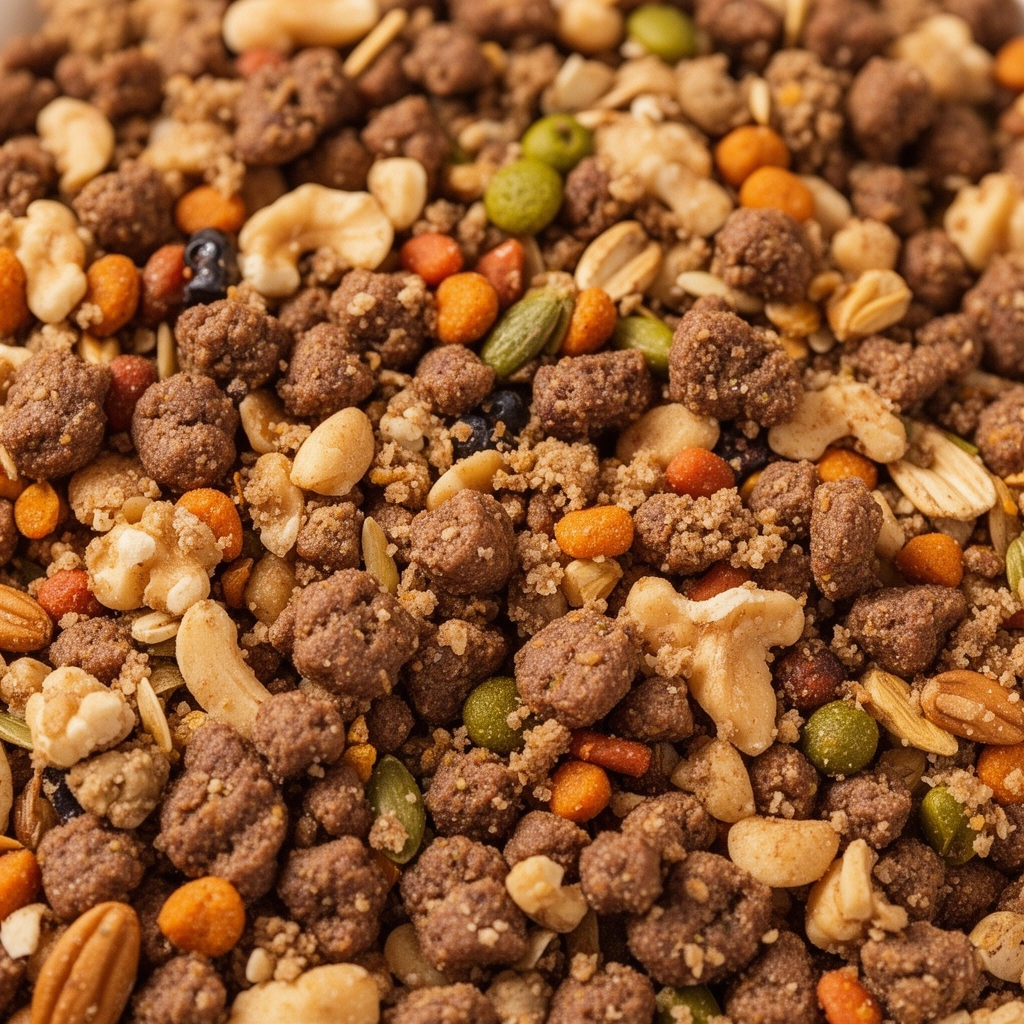
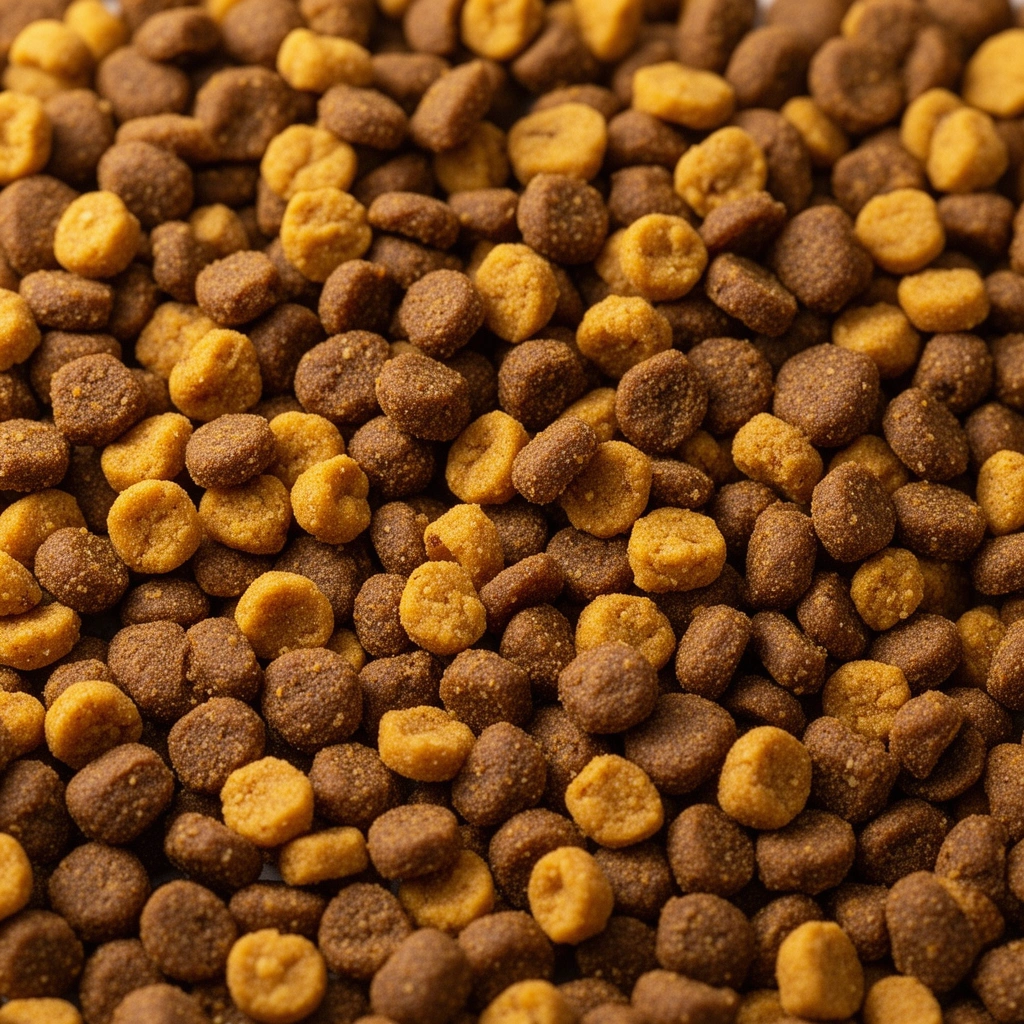
- Commercial Mix-Ins: If you’re using commercial mixes, rotate between different brands or types to ensure a varied nutrient profile.
Summary
Food rotation in homemade dog food is a fantastic way to keep your dog’s diet balanced and exciting. By varying their meals, you can prevent nutritional deficiencies, reduce food sensitivities, and keep mealtime fun! Remember to introduce new foods gradually, keep an eye on your dog’s reactions, and consult your vet when needed.
So, why not give it a try? Start incorporating food rotation into your dog’s diet today and watch them thrive!
Outro
In conclusion, food rotation is not just a trend; it’s an essential part of responsible pet ownership. By following the steps outlined above, you can enhance your dog’s health and happiness. Let’s keep our furry friends healthy and happy, one delicious meal at a time!