Homemade Sweet Potato and Bacon Dog Treats: A Complete Guide Your Pup Will Beg For
Ever caught your dog staring at you with those big, hopeful eyes while you’re cooking bacon? I have. That’s exactly why I started making homemade sweet potato and bacon dog treats in my own kitchen. They’re simple, cheap, and honestly smell so good you might want to taste one yourself (I won’t judge).
If you’ve searched around for recipes before, you’ve probably noticed most articles skip over important stuff. Things like how long the treats actually last, what to do if your dog has allergies, or why some batches turn out chewy while others turn into rock-hard bricks. I’m going to fix that. This guide covers everything you need, not just the basics.
What Are Sweet Potato and Bacon Dog Treats, Anyway?
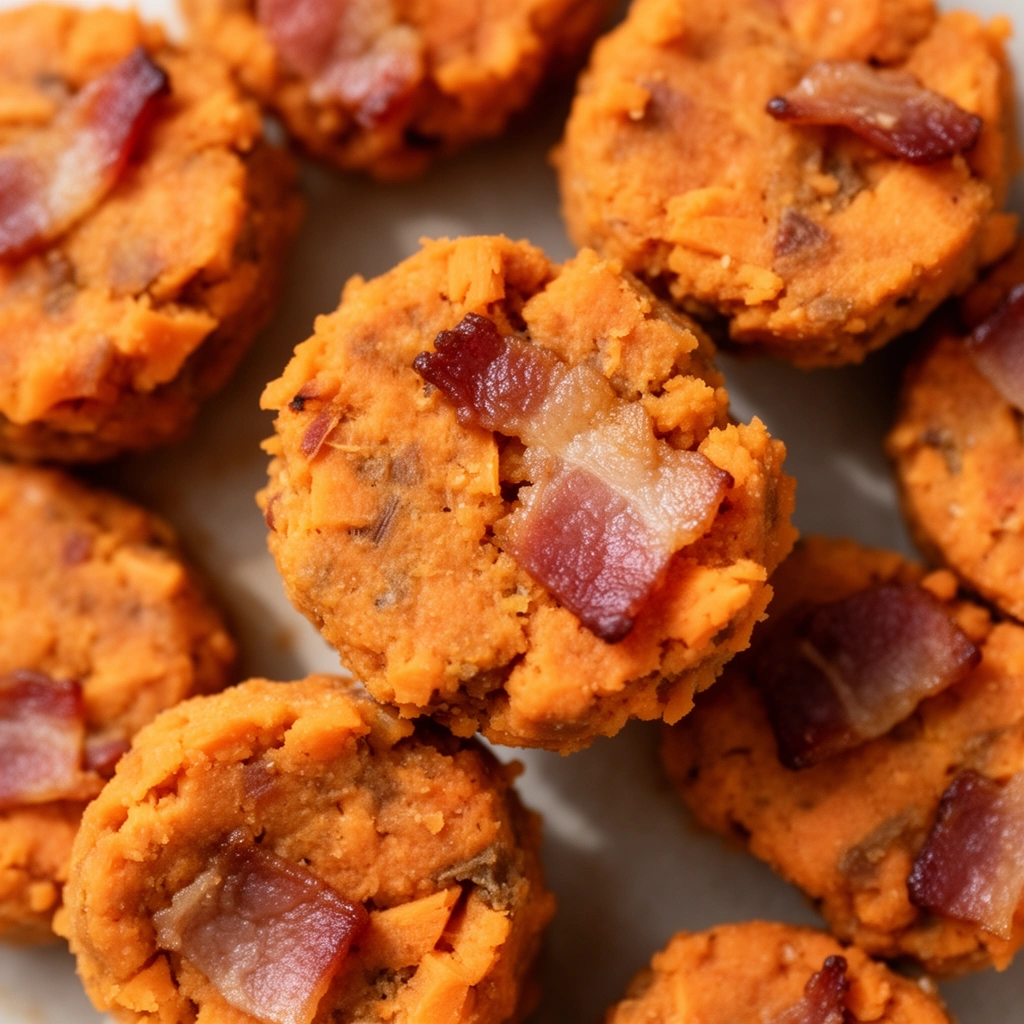
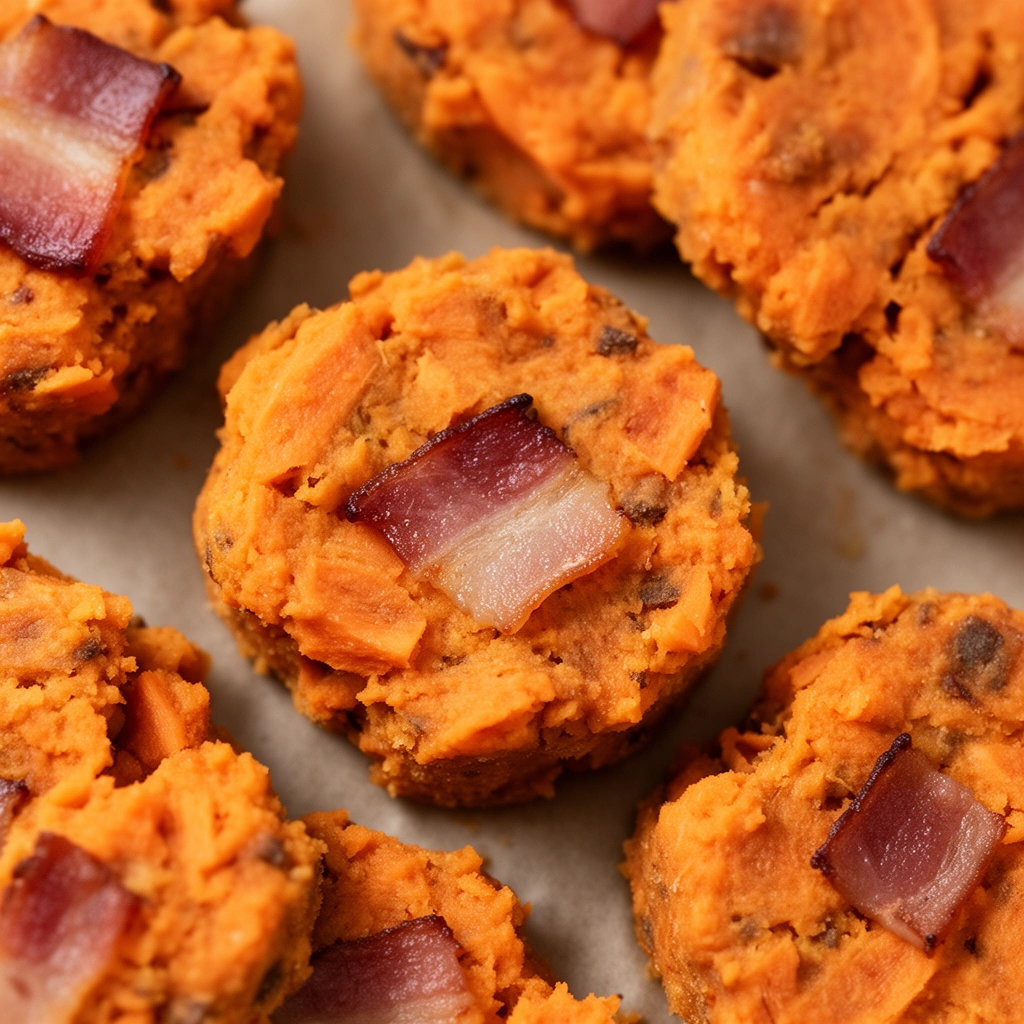
Let’s start simple. These treats are exactly what they sound like: a mix of cooked sweet potato and crispy bacon, baked into small, dog-friendly bites. They’re naturally sweet, a little smoky, and packed with nutrients your dog actually needs.
Sweet potatoes bring fiber, vitamin A, and antioxidants to the table. Bacon adds that irresistible smell and salty flavor dogs go crazy for. Together, they create a treat that feels like a reward without loading your pup up with the junk you’d find in store-bought snacks.
I love this recipe because it’s flexible. You can bake it, dehydrate it, or even air-fry it depending on what equipment you’ve got. No fancy tools required.
Key Terms You Should Know
Before we jump into the recipe, let’s clear up a few terms. Understanding these will help you avoid mistakes later.
Dehydrating
: Removing moisture from food using low, steady heat over a long period. This makes treats chewy and shelf-stable.
Rendering
: The process of cooking fat out of bacon until it turns crispy. Important for food safety and texture.
Binder
: An ingredient (like oat flour or egg) that holds the treat dough together so it doesn’t crumble.
Grain-Free
: Recipes that avoid wheat, corn, or rice, often used for dogs with grain sensitivities.
Shelf Life
: How long a treat stays safe and fresh to eat before spoiling.
Ingredients You’ll Need
Here’s what goes into a basic batch. I’ll cover substitutions later for allergies or dietary needs.
- 2 medium sweet potatoes, peeled and cubed
- 4 to 6 slices of bacon (nitrate-free if possible)
- 1 cup oat flour or whole wheat flour
- 1 egg
- 1 tablespoon of bacon grease (saved from cooking)
- Optional: a pinch of cinnamon for extra aroma
That’s it. No weird additives, no preservatives, nothing your dog can’t pronounce.
Step-by-Step: How to Make Sweet Potato and Bacon Dog Treats
I’ll walk you through this like I’m standing right next to you in the kitchen.
- Step 1: Cook the sweet potatoes. Boil or steam the cubes until fork-tender, about 15 minutes. Drain and mash them until smooth.
- Step 2: Cook the bacon. Fry it until crispy, not burnt. Save the grease—it’s liquid gold for flavor. Chop the bacon into small crumbles once cooled.
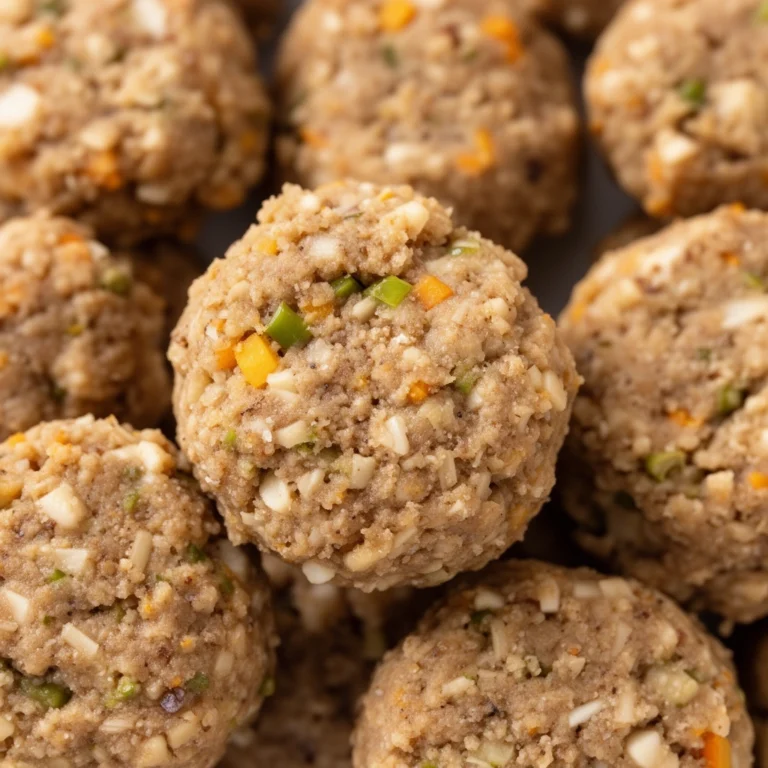
- Step 3: Mix the dough. In a large bowl, combine mashed sweet potato, chopped bacon, egg, and bacon grease. Stir well.
- Step 4: Add the flour. Slowly mix in the flour until you get a thick, workable dough. It should hold together without being sticky.
- Step 5: Roll it out. Place the dough on a floured surface and roll to about 1/4 inch thickness.
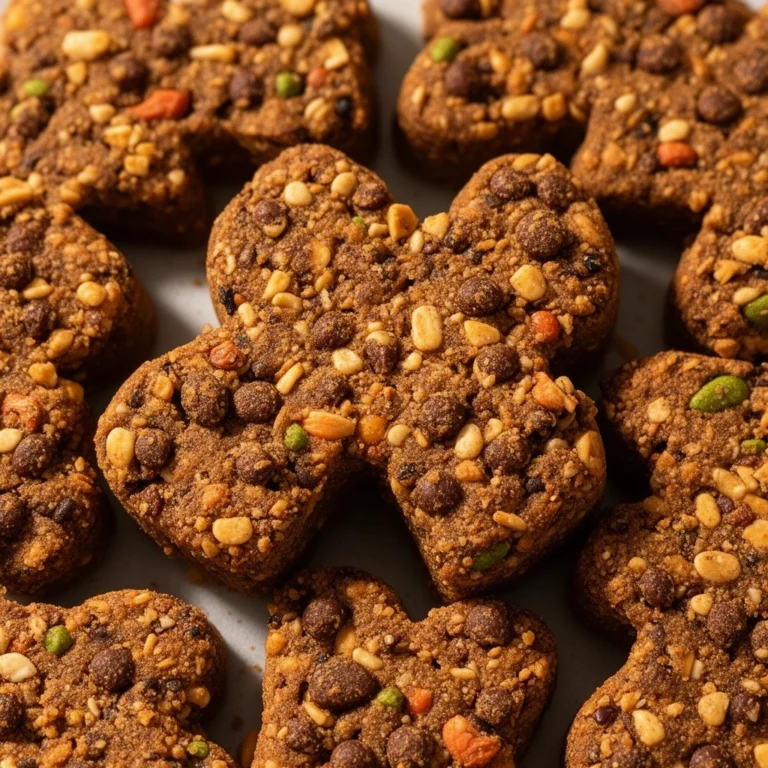
- Step 6: Cut into shapes. Use a cookie cutter, or just slice into small squares. Bone shapes are cute, but squares work just as well.
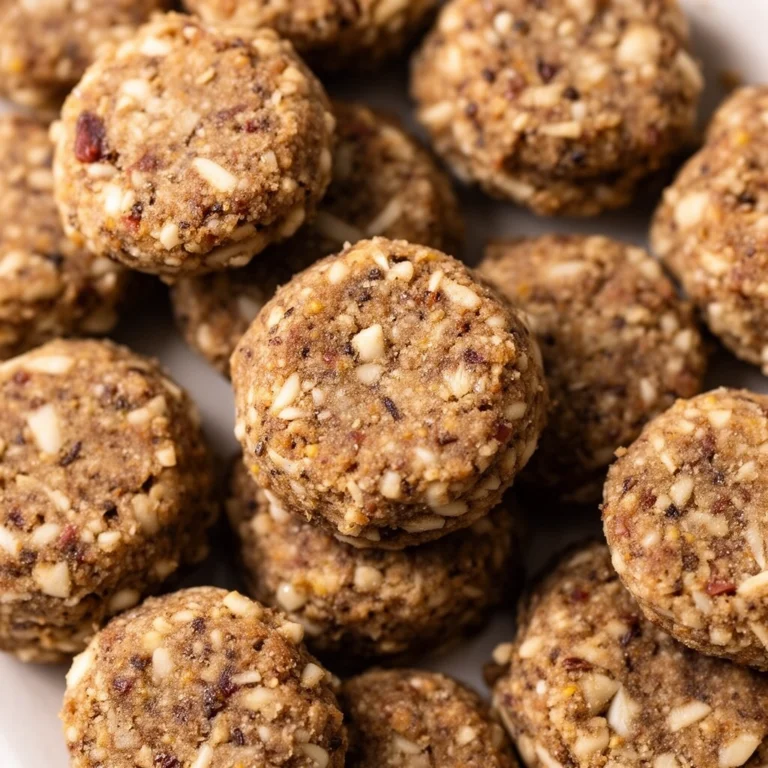
- Step 7: Bake. Preheat your oven to 325°F (163°C). Bake for 20 to 25 minutes, flipping halfway through for even crispiness.
- Step 8: Cool completely. Let the treats sit on a wire rack until fully cool. This step matters more than people think—warm treats can turn soggy inside.
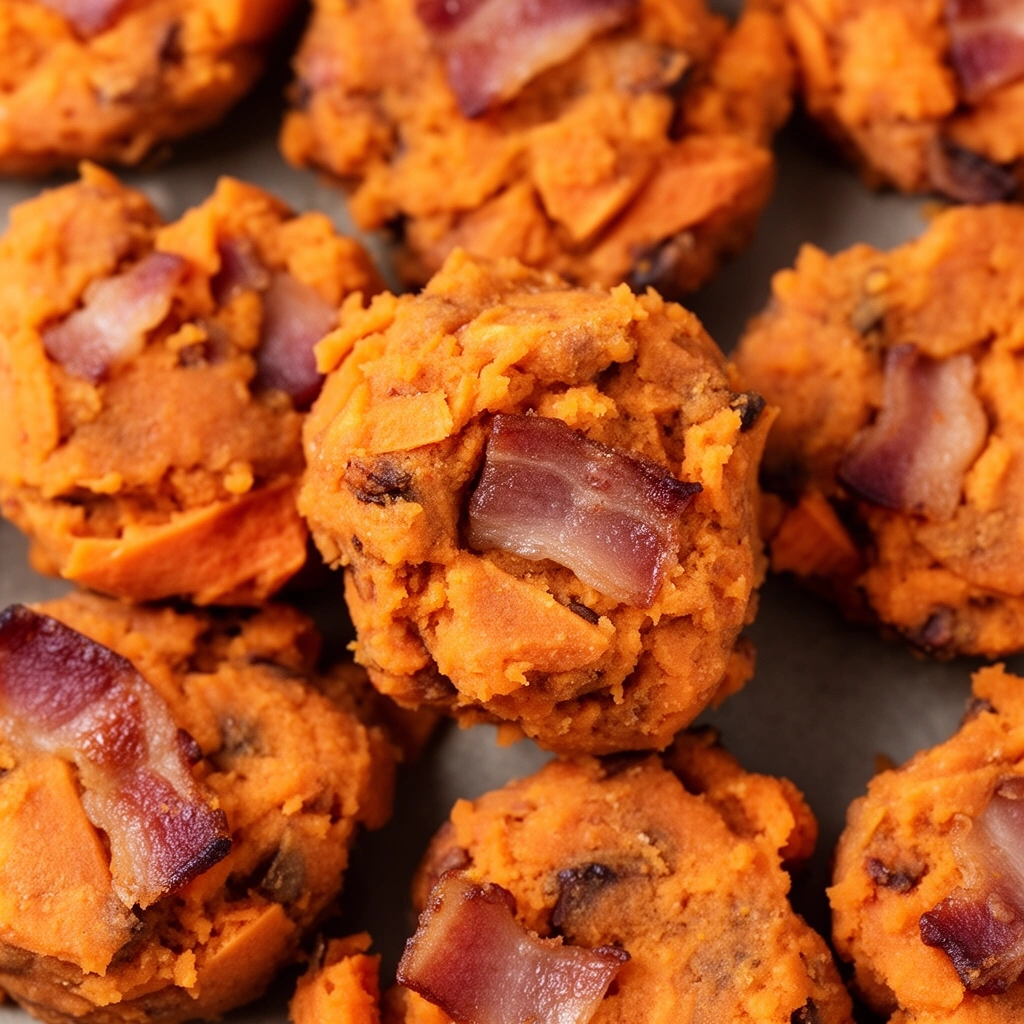
If you want longer-lasting, chewier treats, use a dehydrator at 145°F for 4 to 6 hours instead of baking. It takes patience, but the texture is worth it.
Storage and Shelf Life
This is something a lot of recipes forget to mention, and it’s actually pretty important.
- Store baked treats in an airtight container for up to 1 week at room temperature.
- Refrigerate for up to 3 weeks if you want them to last longer.
- Freeze for up to 6 months. Just thaw before serving.
- Dehydrated treats last longer than baked ones, often up to 2 weeks at room temperature.
Always check for mold or a rancid smell before giving your dog an older batch. Bacon fat can spoil faster than you’d expect.
How Much Should You Feed Your Dog?
Treats should never replace a full meal. As a rule of thumb, treats should make up no more than 10% of your dog’s daily calories.
- Small dogs (under 20 lbs): 1 small treat per day
- Medium dogs (20–50 lbs): 1 to 2 treats per day
- Large dogs (50+ lbs): 2 to 3 treats per day
If your dog has health issues like pancreatitis or is overweight, talk to your vet before adding bacon-based treats to their diet. Bacon is high in fat and sodium, so moderation really does matter here.
Tips for Success
I’ve made a lot of batches, some better than others. Here’s what actually works.
- Use a food processor to mash sweet potatoes faster and smoother.
- Save bacon grease in a jar. It works in future batches too.
- Don’t overcrowd the baking sheet. Treats need space to crisp evenly.
- Cut treats small. Dogs don’t care about size, and smaller treats bake more evenly.
- Let dough rest for 5 minutes before rolling. It makes handling easier.
Common Mistakes and How to Avoid Them
Even simple recipes can go wrong. Here are the mistakes I’ve made (so you don’t have to).
Using raw bacon grease
: Always cook bacon fully before mixing it in. Raw fat can upset your dog’s stomach.
Skipping the flour measurement
: Too much flour makes treats hard as rocks. Too little makes them fall apart. Stick close to the recipe ratio.
Not cooling treats fully
: Warm treats seem done but often turn chewy or soggy once packed away. Patience pays off.
Using seasoned bacon
: Skip bacon with added garlic, onion powder, or heavy salt. These ingredients are toxic or unhealthy for dogs.
Ignoring your dog’s allergies
: Some dogs react to wheat or eggs. Always test a small piece first if it’s a new recipe.
Variations You Can Try
Once you’ve mastered the basic recipe, it’s fun to mix things up.
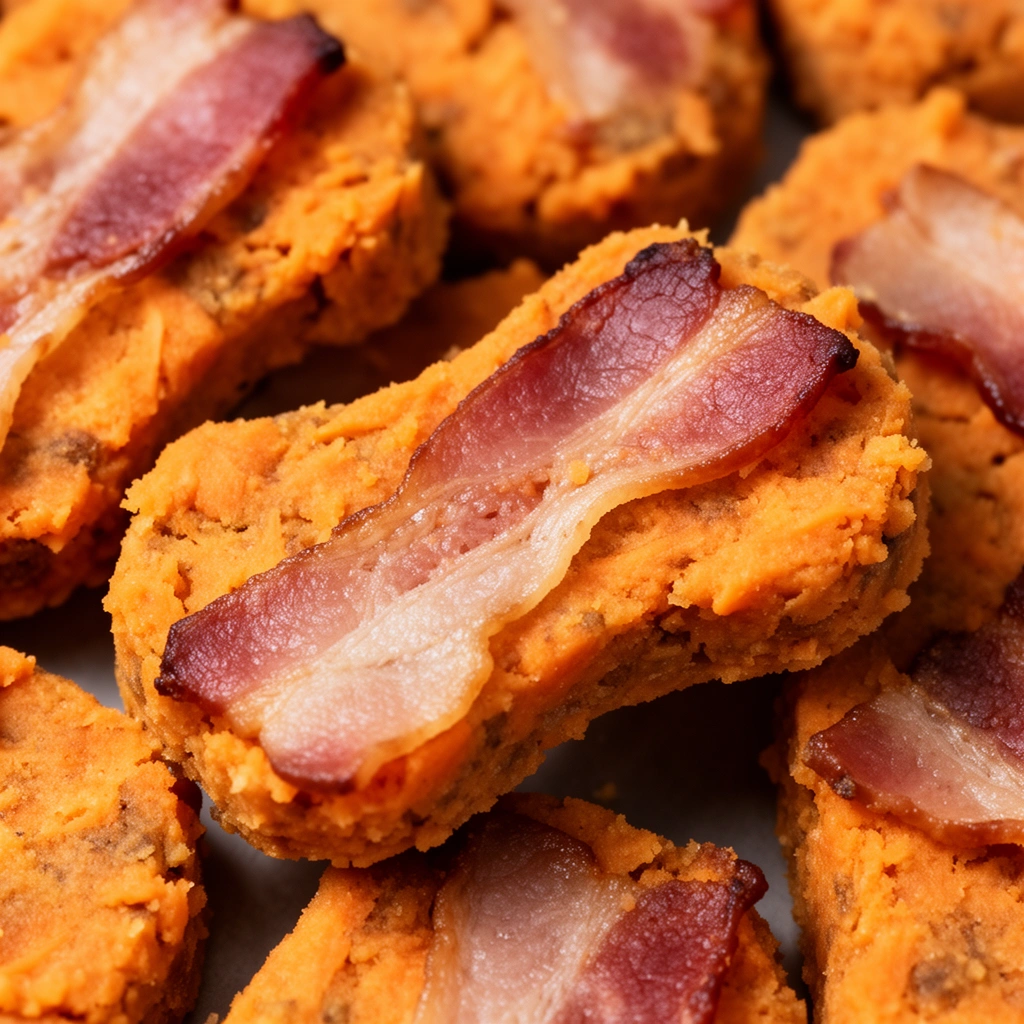
- Grain-Free Version: Swap oat flour for almond flour or chickpea flour.
- Turkey Bacon Swap: Great for dogs with pork sensitivities.
- Pumpkin Twist: Replace half the sweet potato with pumpkin puree for a lighter flavor.
- Peanut Butter Boost: Add a spoonful of unsweetened peanut butter for extra protein and flavor.
- Herb Infusion: A pinch of parsley adds freshness and helps with doggy breath.
Each variation keeps the same base process, so you’re not reinventing the wheel every time.
Wrapping It Up
Making homemade sweet potato and bacon dog treats isn’t just about spoiling your dog. It’s about knowing exactly what goes into their food, avoiding unnecessary additives, and building a little bonding time in the kitchen. Once you get the hang of the process, it takes less effort than you’d think, and the payoff is a happy dog doing a happy dance every time you open the treat jar.
So next time you’re craving a kitchen project, skip the store-bought bag and whip up a fresh batch of sweet potato and bacon dog treats instead. Your dog will thank you with the biggest, goofiest smile you’ve ever seen.