How to Prepare Pumpkin Seeds for Dogs: A Complete Guide
Ever tossed a bunch of pumpkin seeds in the trash while carving a jack-o-lantern and wondered if your pup could eat them instead? I’ve been there too. Preparing pumpkin seeds for dogs isn’t hard, but there’s a right way and a wrong way to do it, and getting it wrong can cause more harm than good. Let me walk you through everything I’ve learned about turning this humble seed into a safe, tasty treat your dog will actually beg for.
What Are We Making Here?
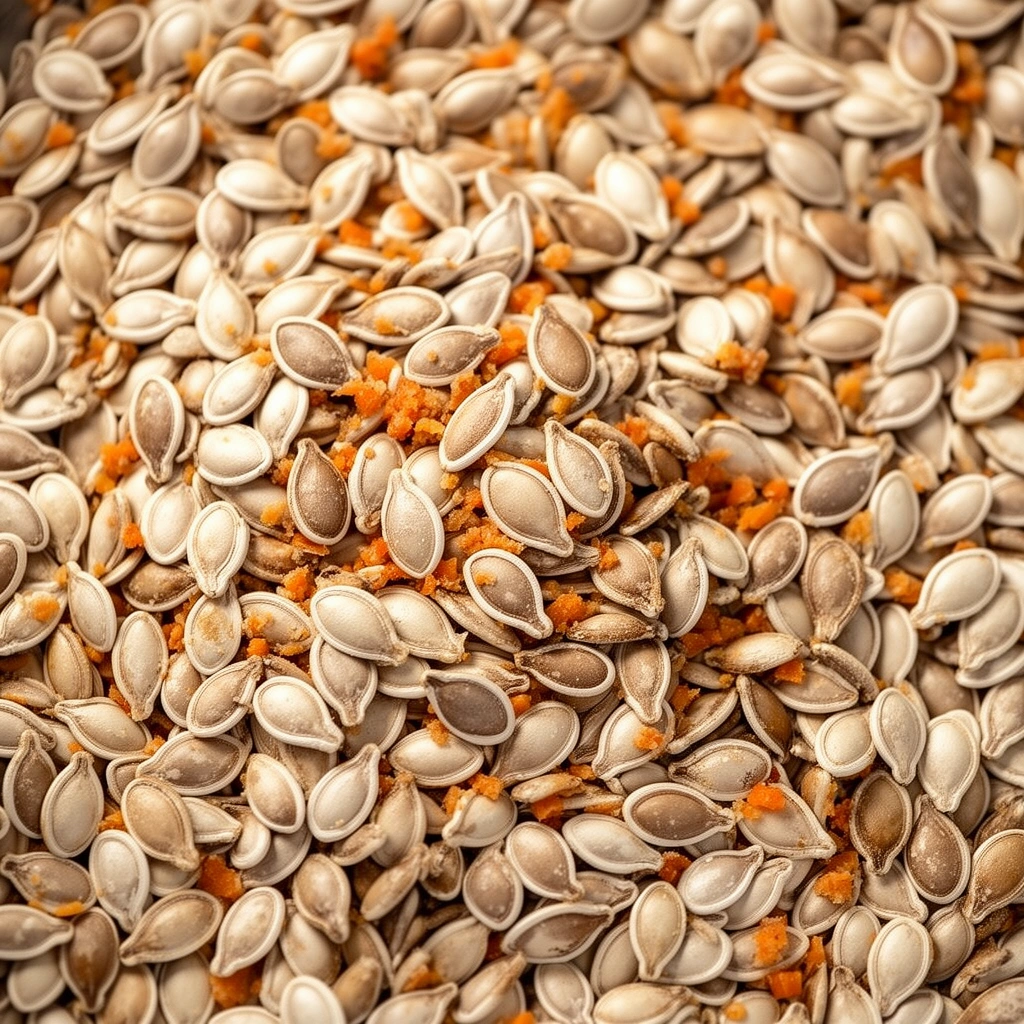
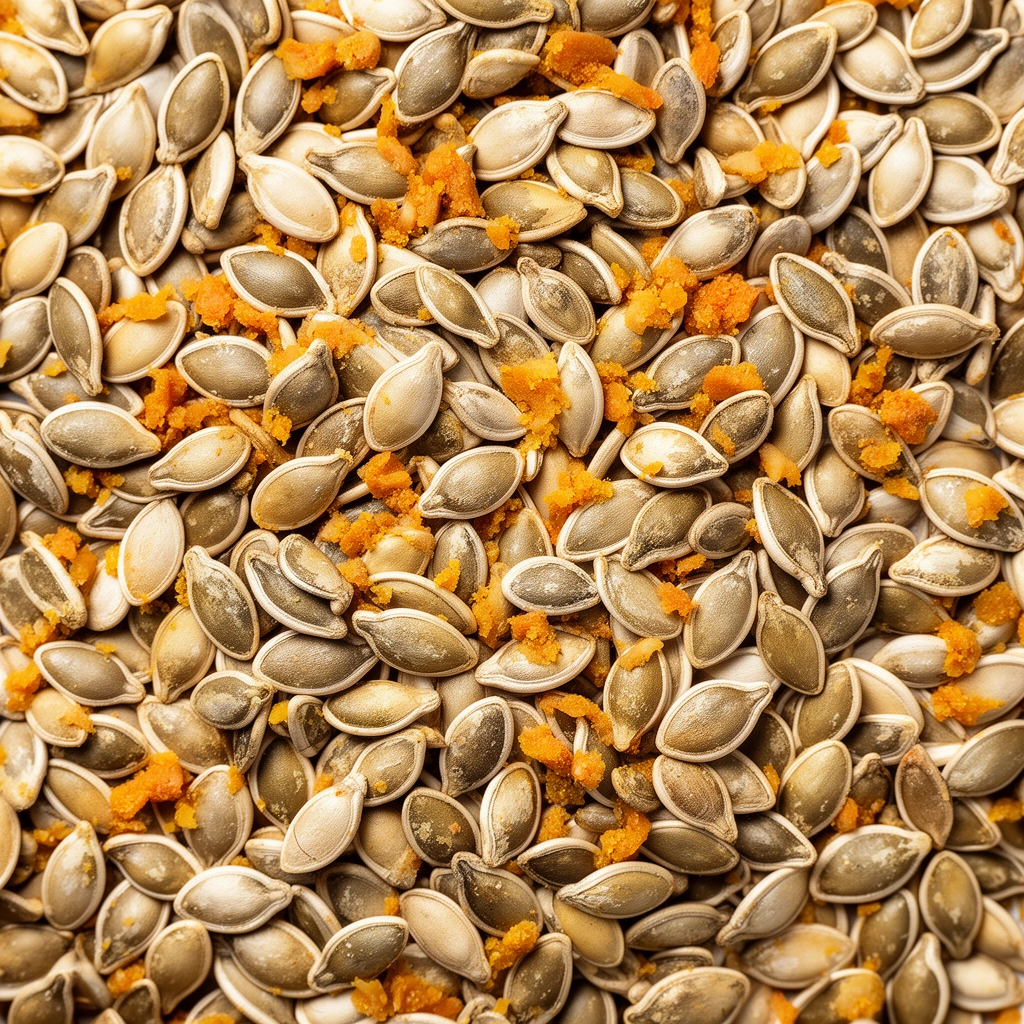
Before we jump into the steps, let’s talk about what this recipe actually is. We’re not just grabbing seeds straight from a pumpkin and handing them to Fido. That’s a rookie mistake. What we’re making is a batch of clean, dried, plain roasted pumpkin seeds that are safe for canine digestion.
Pumpkin seeds pack a punch nutritionally. They’re loaded with zinc, iron, magnesium, and healthy fats. Some folks even use crushed pumpkin seeds as a natural remedy to help with intestinal parasites, though I want to be clear that this isn’t a replacement for vet-prescribed dewormers. Think of it as a bonus, not a cure.
The prep process matters a lot. Raw seeds straight from a store-bought decorative pumpkin can carry pesticide residue or mold spores. Roasting kills off bacteria and makes the seeds easier to digest. Grinding them into a powder helps small dogs or picky eaters who can’t handle whole seeds.
Key Terms You Should Know
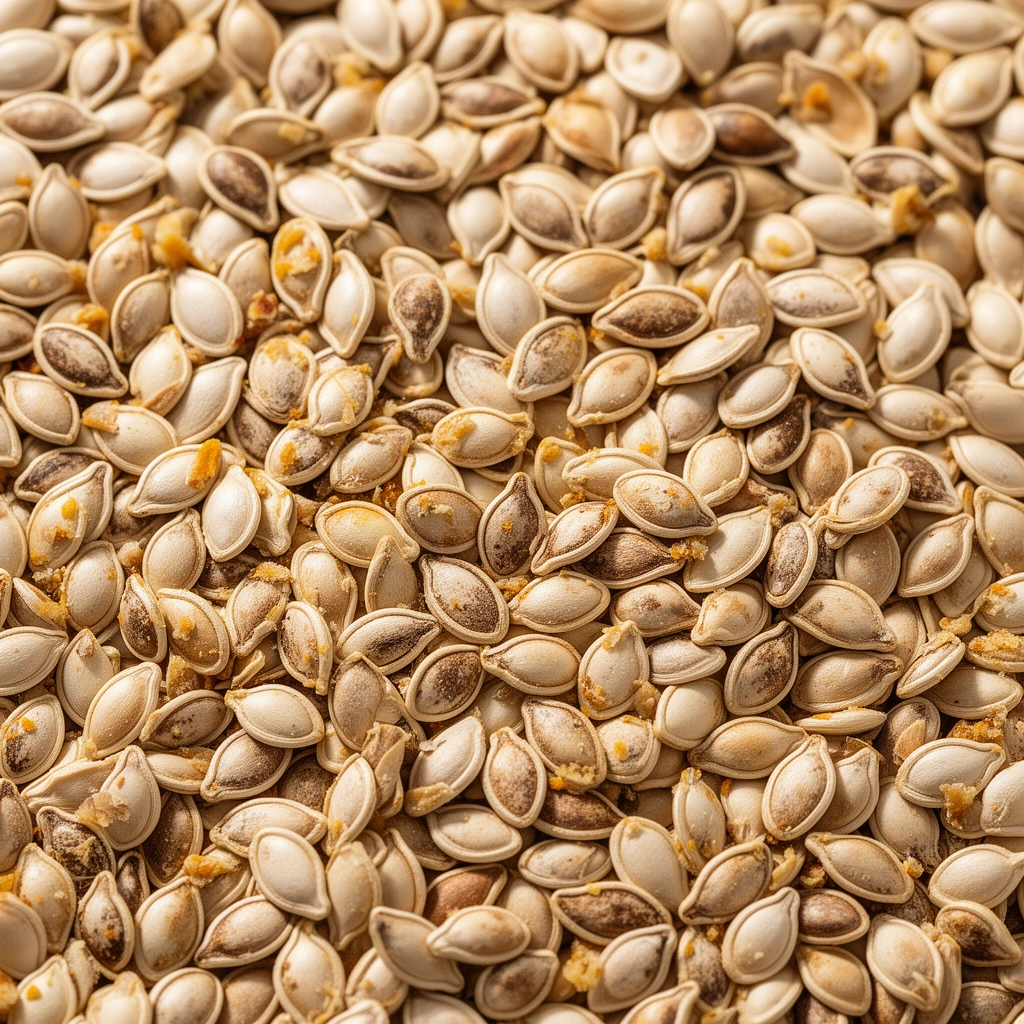
Raw pumpkin seeds
: Seeds pulled directly from a fresh pumpkin, still covered in pulp and moisture. Not ready for feeding yet.
Roasted pumpkin seeds
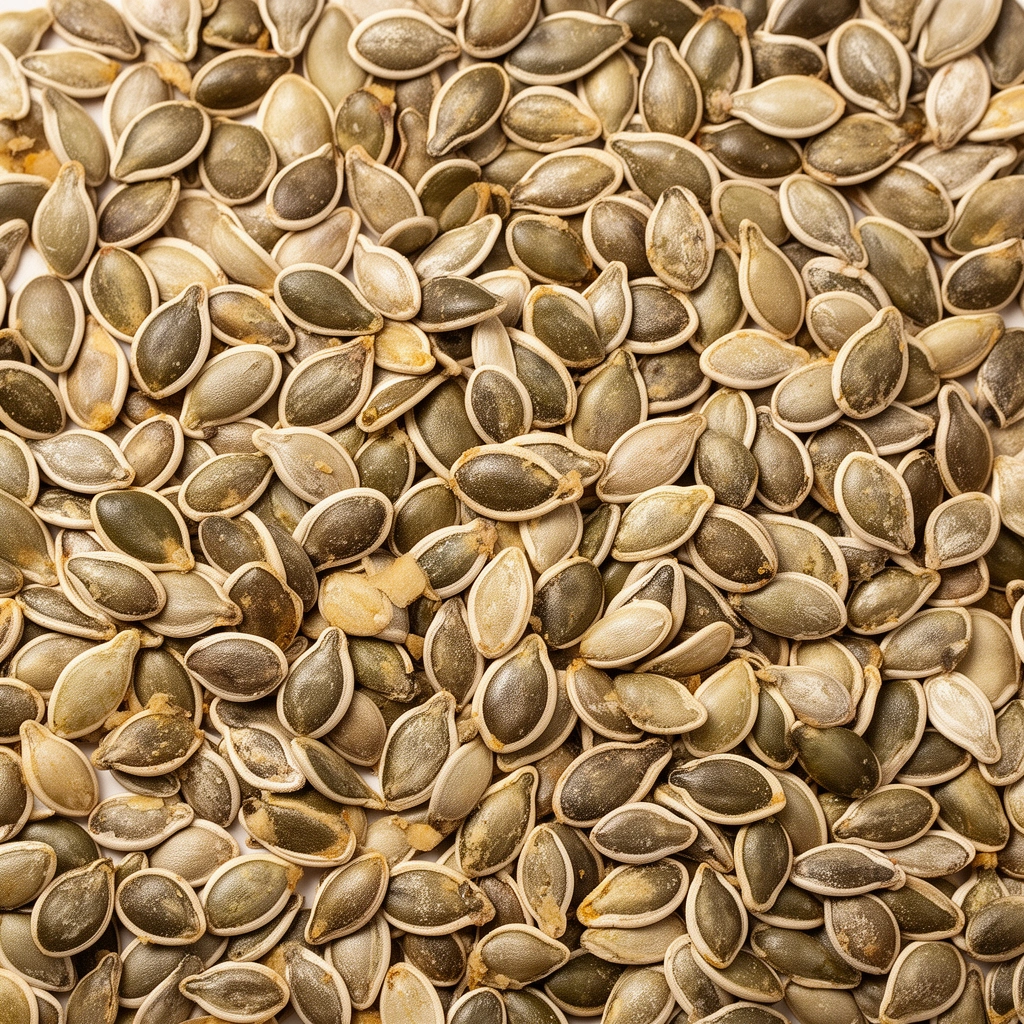
: Seeds that have been dried and baked at low heat, making them crunchy and safe to digest.
Pumpkin seed powder
: Roasted seeds ground into a fine dust, perfect for sprinkling over food.
Hull
: The outer shell of the seed. Dogs can eat it, but it’s tougher to digest in large amounts.
Anthelmintic
: A fancy word for a substance that may help expel intestinal worms. Pumpkin seeds contain a compound called cucurbitacin, believed to have this effect.
What You’ll Need
Here’s your shopping and tool list before we start:
- Fresh pumpkin (organic if possible, avoid decorative carving pumpkins treated with wax or chemicals)
- A large bowl for rinsing
- A colander or strainer
- A baking sheet
- Parchment paper
- A food processor or spice grinder (optional, for powder)
- An airtight storage container
Step-by-Step Process to Prepare Pumpkin Seeds for Dogs
Let’s get our hands messy. Follow these steps in order and don’t skip the drying stage. That part trips up a lot of first-timers.
- Scoop out the seeds. Cut open your pumpkin and dig out the seeds along with the stringy pulp. Don’t worry about being neat here.
- Rinse thoroughly. Dump everything into a bowl of water. The pulp will float, and the seeds will sink. Swish them around and pick out the seeds by hand.
- Pat dry. Lay the seeds on a clean towel and pat them until most of the moisture is gone.
- Let them air dry. Spread the seeds on a baking sheet lined with parchment paper. Leave them out for a few hours, or overnight if you have time. This step reduces roasting time and helps them crisp up evenly.
- Preheat your oven to 300°F (150°C). Low and slow is the name of the game. High heat can scorch the seeds and destroy some of the good nutrients.
- Roast for 15-20 minutes. Spread the seeds in a single layer, no overlapping. Stir them halfway through so they roast evenly.
- Check for crunch. Pull one out and let it cool for a second, then bite into it. It should snap, not bend.
- Cool completely. Let the seeds sit at room temperature for about 20 minutes before serving or storing.
- Grind if needed. For smaller dogs or picky eaters, toss the cooled seeds into a food processor and pulse until you get a fine powder.
That’s it. No oil, no salt, no butter, no seasoning of any kind. Plain is the way to go here.
Serving Sizes That Actually Make Sense
I get asked this a lot, so let’s break it down by dog size. These are general guidelines, not gospel, so always chat with your vet if your dog has any health issues.
- Small dogs (under 20 lbs): ¼ teaspoon of powder or 2-3 whole seeds daily
- Medium dogs (20-50 lbs): ½ teaspoon of powder or 4-6 whole seeds daily
- Large dogs (50+ lbs): 1 teaspoon of powder or a small handful of whole seeds daily
Start small. Introduce the seeds gradually over a few days to watch for any tummy upset.
Tips for Success
I’ve made every mistake possible with this recipe, so let me save you some trouble.
- Always use pumpkins meant for eating, not carving pumpkins treated with preservatives or wax coatings.
- Store roasted seeds in an airtight container in the fridge. They’ll stay fresh for about two weeks.
- Grinding seeds makes them easier to mix into wet food, which helps if your dog is a picky eater.
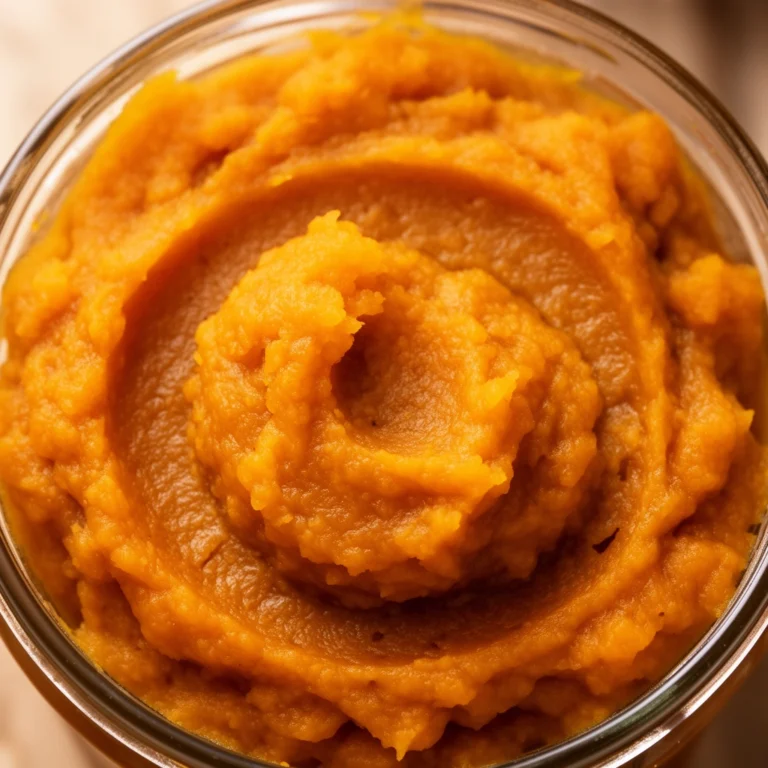
- Mix pumpkin seed powder with plain pumpkin puree for a double dose of fiber and nutrients.
- Keep portions small. These are treats, not meals.
- Introduce one new seed type at a time if you’re also feeding other seeds like sunflower or flax, so you can track reactions properly.
Common Mistakes and How to Avoid Them
Let’s talk about where things usually go sideways.
- Adding salt or seasoning. I know it smells amazing when you roast seeds with salt for yourself, but salt is rough on a dog’s kidneys. Skip it entirely.
- Skipping the drying step. Wet seeds roast unevenly and can end up soggy in the middle, which isn’t great for digestion.
- Feeding whole seeds to tiny dogs. Small breeds can choke or struggle to digest whole seeds. Grind them up instead.
- Using carving pumpkins. These are often treated with chemicals to extend shelf life for Halloween displays. Not food-grade.
- Overfeeding. Too many seeds can cause diarrhea or an upset stomach because of the high fat content. Moderation matters here.
- Storing them improperly. Leaving roasted seeds out in a humid kitchen invites mold. Always store in a sealed, cool spot.
- Assuming it replaces dewormer medication. Pumpkin seeds may offer mild support, but they are not a substitute for vet-approved treatment if your dog has a real parasite problem.
Variations You Can Try
Once you’ve got the basic method down, there’s room to get creative.
- Pumpkin seed and peanut butter treats: Mix pumpkin seed powder into a small amount of plain, xylitol-free peanut butter and freeze into little dollops.
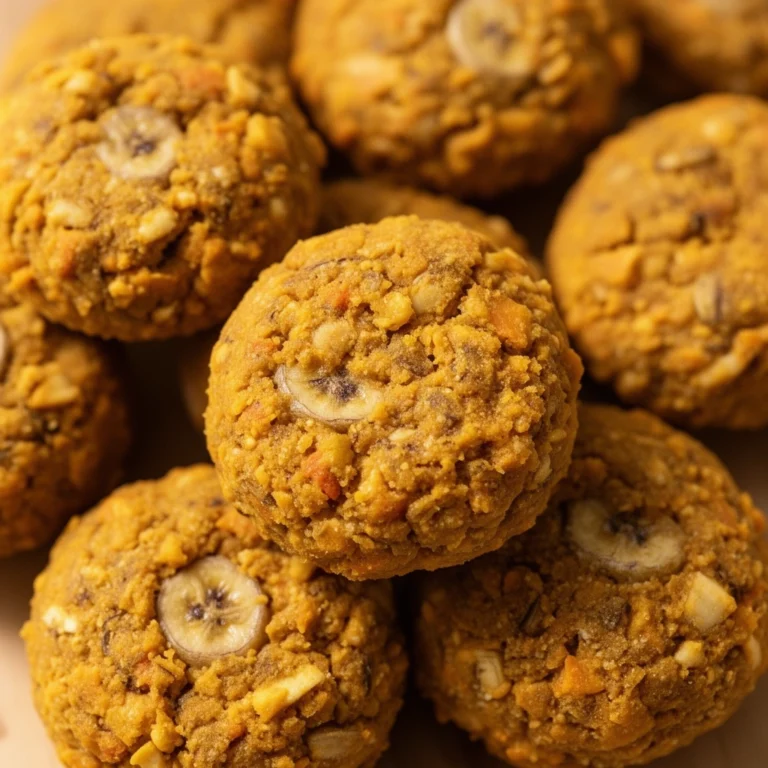
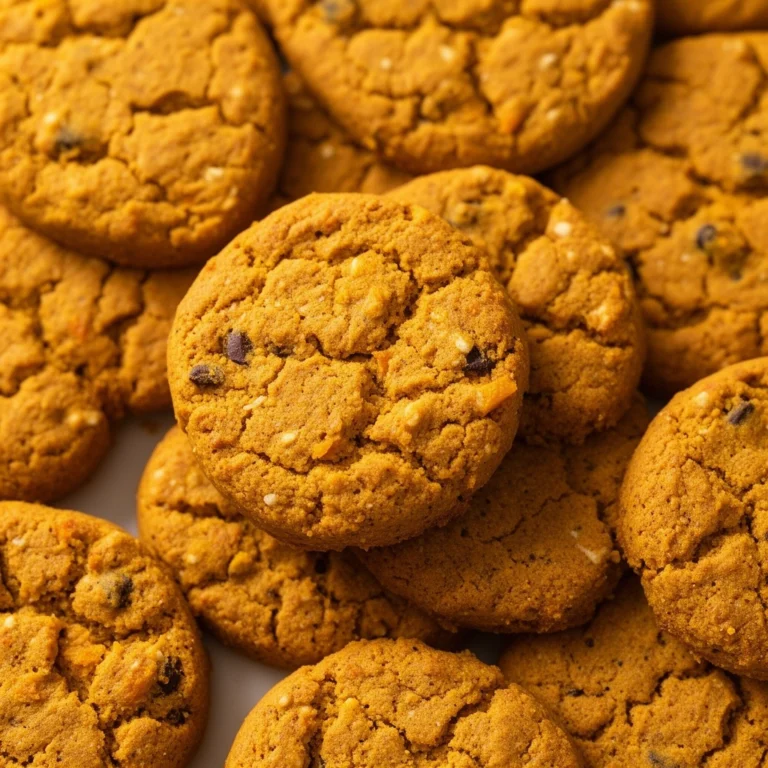
- Pumpkin seed biscuits: Combine ground seeds with pumpkin puree, oat flour, and an egg, then bake into small dog biscuits.
- Mixed seed blend: Combine pumpkin seed powder with flaxseed powder for extra omega-3s, but keep portions light since both are calorie-dense.
- Frozen pumpkin seed cubes: Blend pumpkin puree with pumpkin seed powder and freeze in ice cube trays for a cooling summer treat.
- Sprinkle topper: Simply dust the powder over your dog’s regular kibble as a nutrient boost without changing their whole diet.
Wrapping It Up
Preparing pumpkin seeds for dogs really comes down to a few simple rules: use the right pumpkin, dry the seeds properly, roast them plain, and serve in moderate amounts based on your dog’s size. It’s a small effort that pays off with a nutrient-rich treat your dog will likely love, and you’ll feel good knowing exactly what went into it.
Give this recipe a shot the next time you’re carving or cooking with pumpkin. Your dog’s wagging tail will tell you everything you need to know about how well pumpkin seeds for dogs turned out.