Homemade Frozen Carrot Dog Treats: A Refreshing and Healthy Snack
Ever wonder what to give your dog on a hot summer day that won’t wreck their diet? Homemade frozen carrot dog treats might just be the answer you’ve been looking for. I’ve been making these for my own pup for years now, and I can tell you they’re a total game changer when the temperature climbs. They’re crunchy, cool, and packed with good stuff your dog actually needs.
Store-bought treats often come loaded with fillers, weird preservatives, and sugar your dog doesn’t need. That’s why so many pet parents are turning to homemade options instead. Carrots are cheap, they’re easy to find, and dogs genuinely love the taste. Add a little freezing magic, and you’ve got yourself a snack that soothes teething puppies, cools down summer pups, and gives your dog something fun to chew on.
What Are Homemade Frozen Carrot Dog Treats?
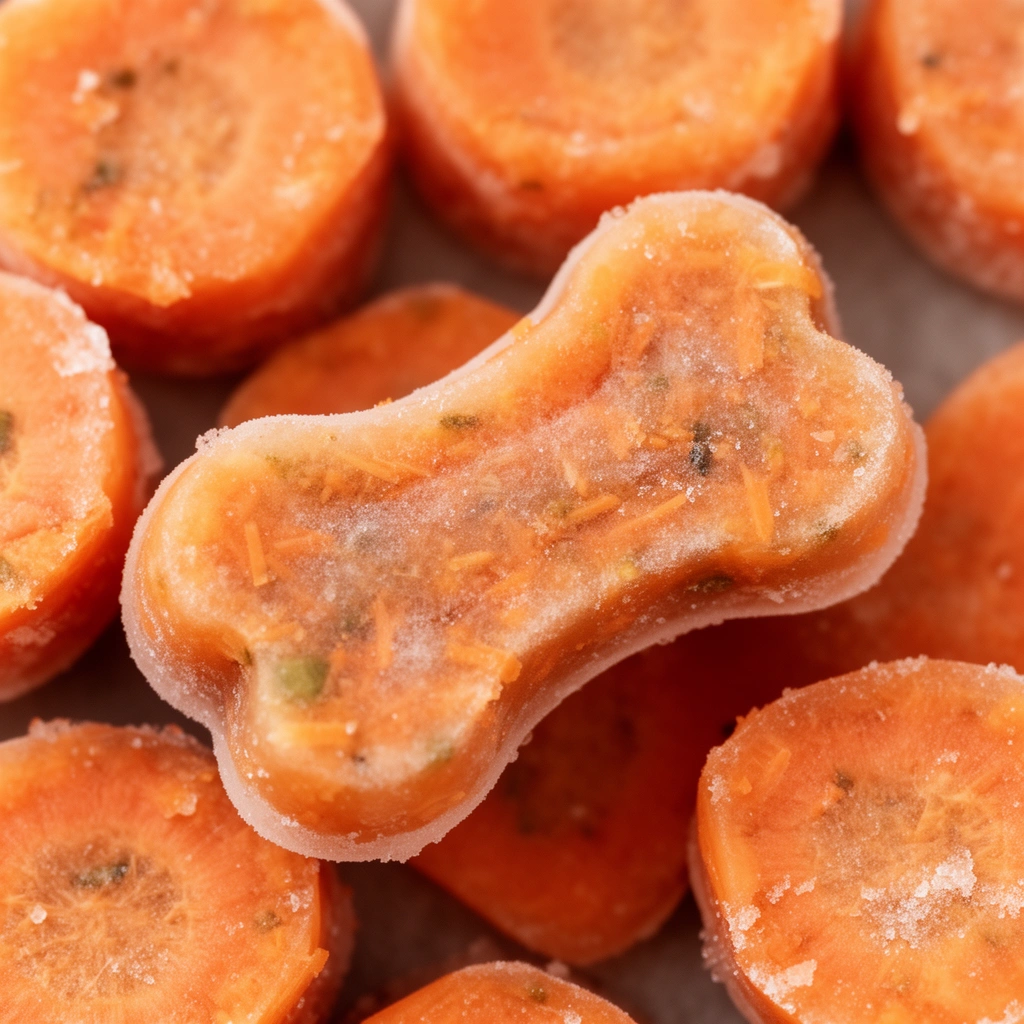
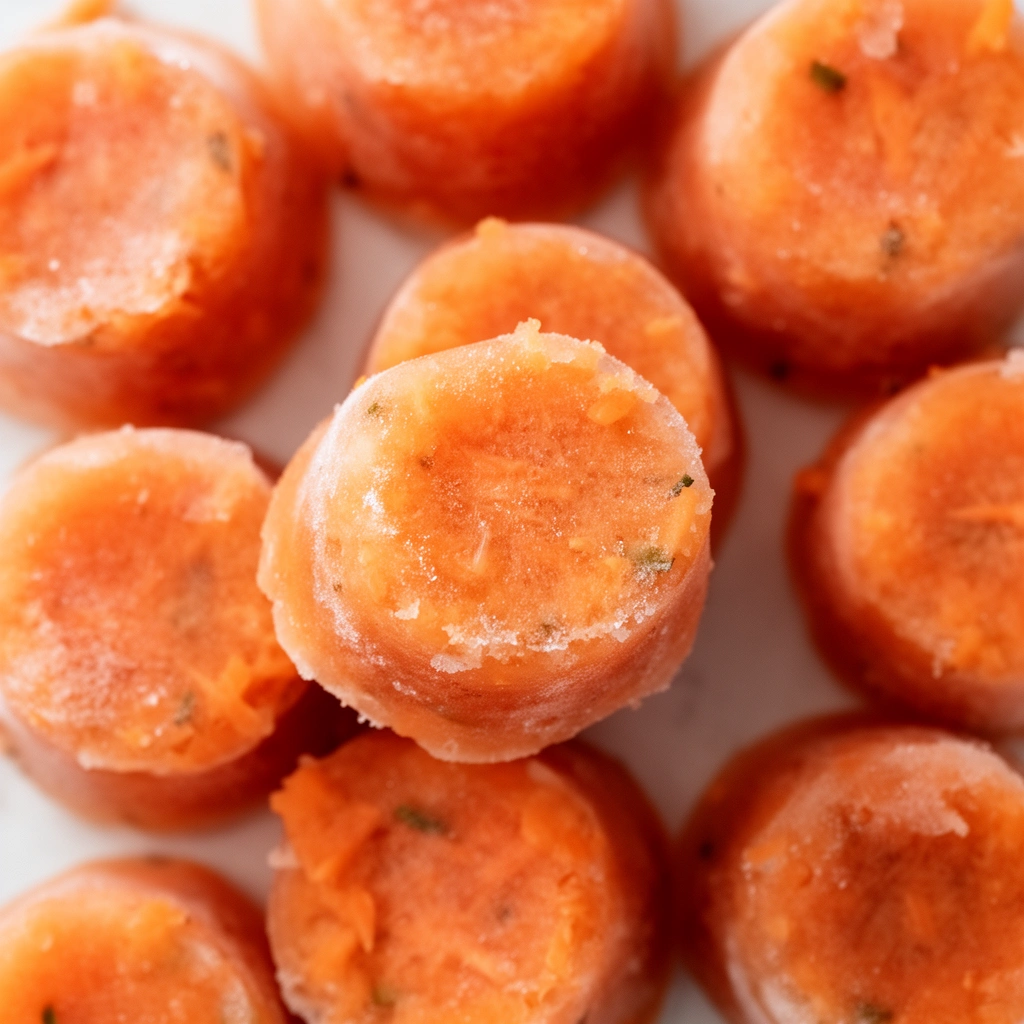
So what exactly am I talking about here? These treats are simple, frozen snacks made mostly from carrots, sometimes blended with other dog-safe ingredients like plain yogurt, pumpkin, or peanut butter (the xylitol-free kind, always).
The idea is pretty basic. You take fresh carrots, prep them somehow — mashed, pureed, or sliced — mix them with a binding agent if you want, then freeze the whole thing into fun shapes or cubes. The result? A cold, crunchy treat that’s way healthier than anything you’d grab off a store shelf.
Here’s a quick breakdown of the key terms you’ll run into while making these:
Puree
: Carrots blended into a smooth, liquid-like paste, usually using a blender or food processor.
Binder
: An ingredient like yogurt, applesauce, or pumpkin that holds the mixture together so it freezes into a solid treat.
Mold
: Any container used to shape the frozen treat — think ice cube trays, silicone molds, or even paper cups.
Blanching
: Briefly boiling carrots before freezing to soften texture and lock in nutrients.
Beta-carotene
: The pigment that gives carrots their orange color and converts to vitamin A in your dog’s body.
I like how flexible this recipe is. You can keep it dead simple with just carrots and water, or you can jazz it up with extra ingredients depending on what your dog likes.
Why Carrots Are Actually Great for Dogs
Before we get into the making part, let’s talk about why carrots deserve a spot in your dog’s treat rotation. A lot of articles skip this part, but I think it matters.
Carrots are low in calories and high in fiber, which helps with digestion. They’re also loaded with beta-carotene, which your dog’s body turns into vitamin A. That vitamin supports eye health, skin, and immune function. Plus, the natural crunch of a raw or frozen carrot can help scrape plaque off your dog’s teeth as they chew.
Here’s what carrots bring to the table nutritionally:
- Low calorie count, great for weight management
- High fiber content that supports healthy digestion
- Vitamin A for eyesight and immune support
- Vitamin K for blood clotting and bone health
- Potassium for muscle and nerve function
- Natural sweetness dogs enjoy without added sugar
One thing worth mentioning that often gets left out: carrots should always be given in moderation. Too many can cause loose stool or contribute to excess vitamin A over time, especially in smaller dogs. Moderation really is the key word here.
Ingredients You’ll Need
Let’s keep this straightforward. Here’s what I use for a basic batch of frozen carrot treats.
- 2 cups fresh carrots (peeled and chopped)
- 1 cup water or unsalted low-sodium chicken broth
- 1/2 cup plain unsweetened yogurt (optional, but adds probiotics)
- 1 tablespoon xylitol-free peanut butter (optional)
- Ice cube tray, silicone mold, or paper cups
I always recommend using low-sodium broth over regular broth. Regular broth often has too much salt and sometimes onion or garlic powder, both of which are toxic to dogs. Always check the label before buying.
Step-by-Step: How to Make Frozen Carrot Dog Treats
Alright, let’s get into the actual process. This part is where a lot of guides get vague, so I’m going to walk you through it clearly.
- Wash and peel the carrots. Get off any dirt or wax coating. Peeling isn’t required, but it makes for a smoother puree.
- Chop the carrots into small chunks. Smaller pieces cook faster and blend easier later.
- Boil or steam the carrots for about 8-10 minutes. You want them fork-tender, not mushy.
- Drain and let them cool slightly. Hot carrots can mess with your blender and melt any yogurt you add too early.
- Blend the carrots with water or broth. Add liquid a little at a time until you get a smooth, pourable puree. It shouldn’t be too thick or too watery.
- Mix in your optional add-ins. If you’re using yogurt or peanut butter, stir it in now until fully combined.
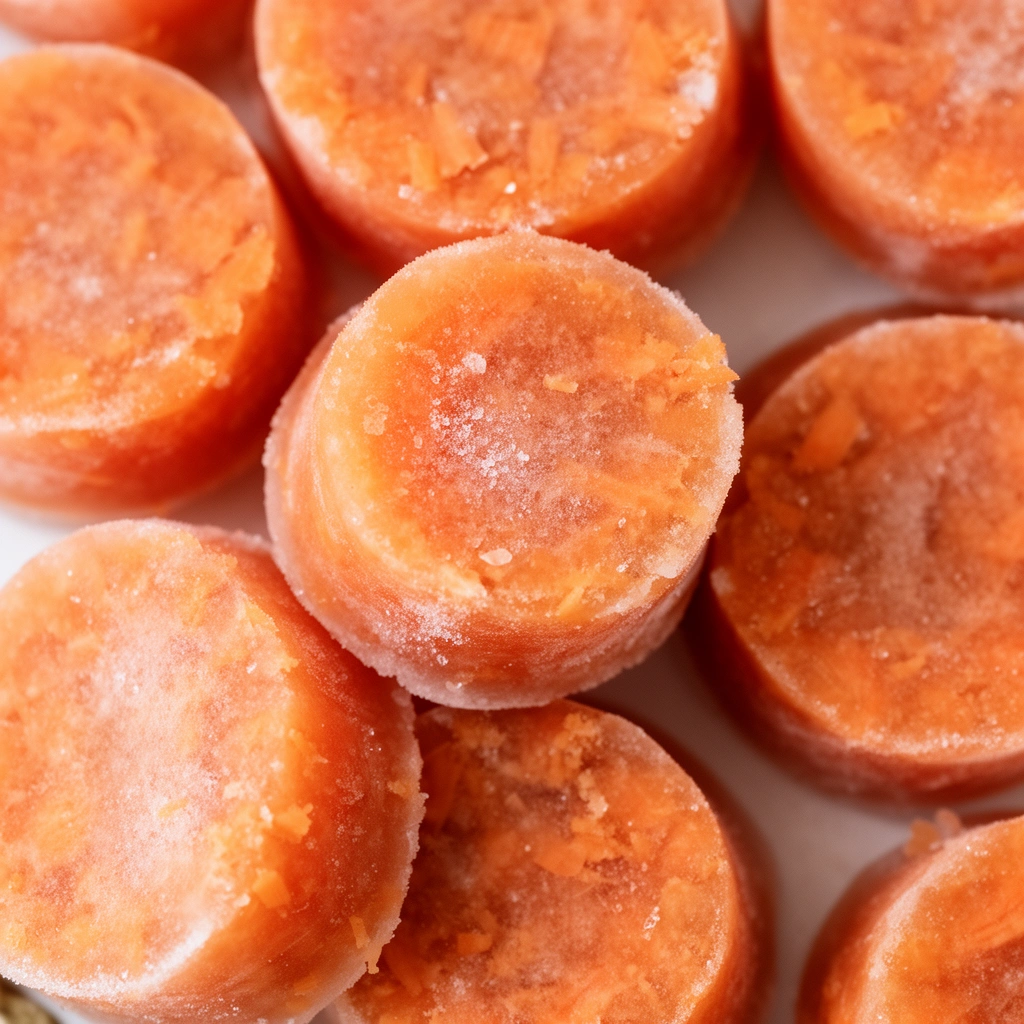
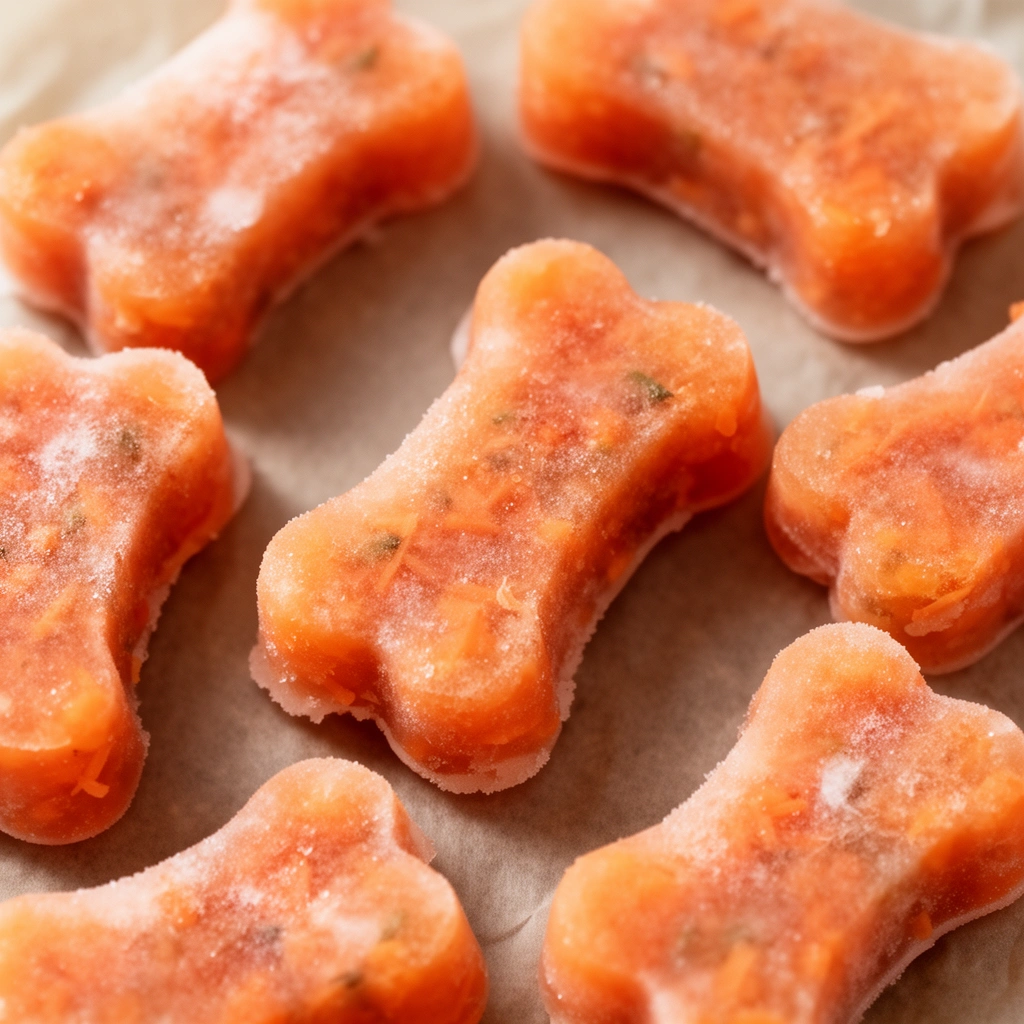
- Pour the mixture into your molds. Ice cube trays work great for bite-sized treats. Silicone molds shaped like bones are fun too.
- Freeze for at least 4-6 hours, or overnight for best results.
- Pop them out and store in a freezer-safe bag or container.
That’s really all there is to it. The whole process takes maybe 30 minutes of active work, and the rest is just waiting for the freezer to do its job.
Tips for Success
I’ve made a lot of batches over the years, and I’ve picked up a few tricks along the way that make a real difference.
- Use organic carrots when possible to avoid pesticide residue.
- Always cool the puree before adding yogurt so it doesn’t curdle.
- Label your molds by size if you have multiple dogs of different weights.
- Freeze in small batches so treats stay fresh longer once thawed slightly for serving.
- Add a splash of bone broth for extra flavor dogs go crazy for.
- Store treats in a sealed container for up to two months in the freezer.
Little things like these can seriously improve the texture and taste of your final product.
Common Mistakes and How to Avoid Them
I’ve messed up a batch or two myself, so let me save you the trouble.
Mistake: Using too much liquid.
This leads to icy, rock-hard treats that are tough on your dog’s teeth. Fix it by adding liquid gradually and checking consistency as you go.
Mistake: Adding sweeteners or flavored yogurt.
A lot of yogurts contain added sugar or artificial sweeteners like xylitol, which is extremely toxic to dogs. Always double check the ingredient label.
Mistake: Skipping the blanching step.
Raw carrot puree can taste bitter and doesn’t blend as smoothly. A quick boil softens things up and brings out natural sweetness.
Mistake: Making treats too large for small dogs.
Big chunks can be a choking hazard. Adjust the mold size based on your dog’s breed and size.
Mistake: Not straining the puree.
Sometimes fibrous bits remain even after blending. Straining through a fine mesh sieve gives a smoother, safer texture, especially for puppies or senior dogs with dental issues.
Fun Variations to Try
Once you’ve got the basic recipe down, it’s fun to switch things up. Here are some variations I’ve tried and loved.
- Carrot and pumpkin mix — swap half the carrots for pumpkin puree for extra fiber and a fall flavor twist.
- Carrot and blueberry blend — add a handful of mashed blueberries for antioxidants and a slightly tart flavor.
- Peanut butter carrot swirl — layer peanut butter and carrot puree in the mold for a marbled look and extra protein.
- Bone broth carrot cubes — replace water entirely with bone broth for a savory version dogs go nuts over.
- Carrot and banana treat — mash in a ripe banana for natural sweetness and potassium.
- Herbed carrot treats — add a pinch of dried parsley or mint for fresh breath benefits.
Each variation keeps the same basic freezing method, so you’re not really adding much extra work, just swapping ingredients based on what your dog enjoys most.
Wrapping It Up
Making homemade frozen carrot dog treats really doesn’t take much effort, but the payoff is huge. You get full control over what goes into your dog’s snack, you save money compared to store-bought options, and your dog gets a cool, crunchy treat that actually supports their health.
I’d say start with the basic recipe first, see how your dog reacts, then branch out into variations once you know what they like. Keep portions small, store them properly, and always double check your ingredients for anything unsafe. Do that, and you’ll have a treat your dog looks forward to every single time the freezer door opens.
At the end of the day, homemade frozen carrot dog treats are one of the easiest ways to give your pup something fresh, wholesome, and genuinely enjoyable.