Brownies For Dogs: A Safe and Tasty Treat Your Pup Will Beg For
Ever caught your dog staring at your brownie like it just insulted their whole existence? I know that look. Those big, sad eyes practically screaming “share with me!” The problem is, regular brownies are loaded with stuff that can actually hurt your dog. Real chocolate, sugar, butter, the works. None of that belongs in a dog’s bowl.
That’s exactly why brownies for dogs exist. They give your pup that same fudgy, chewy treat experience without any of the dangerous ingredients. I’ve made these more times than I can count, and I’m going to walk you through everything, including a few things a lot of recipes out there tend to skip over.
What Are Dog Brownies, Exactly?
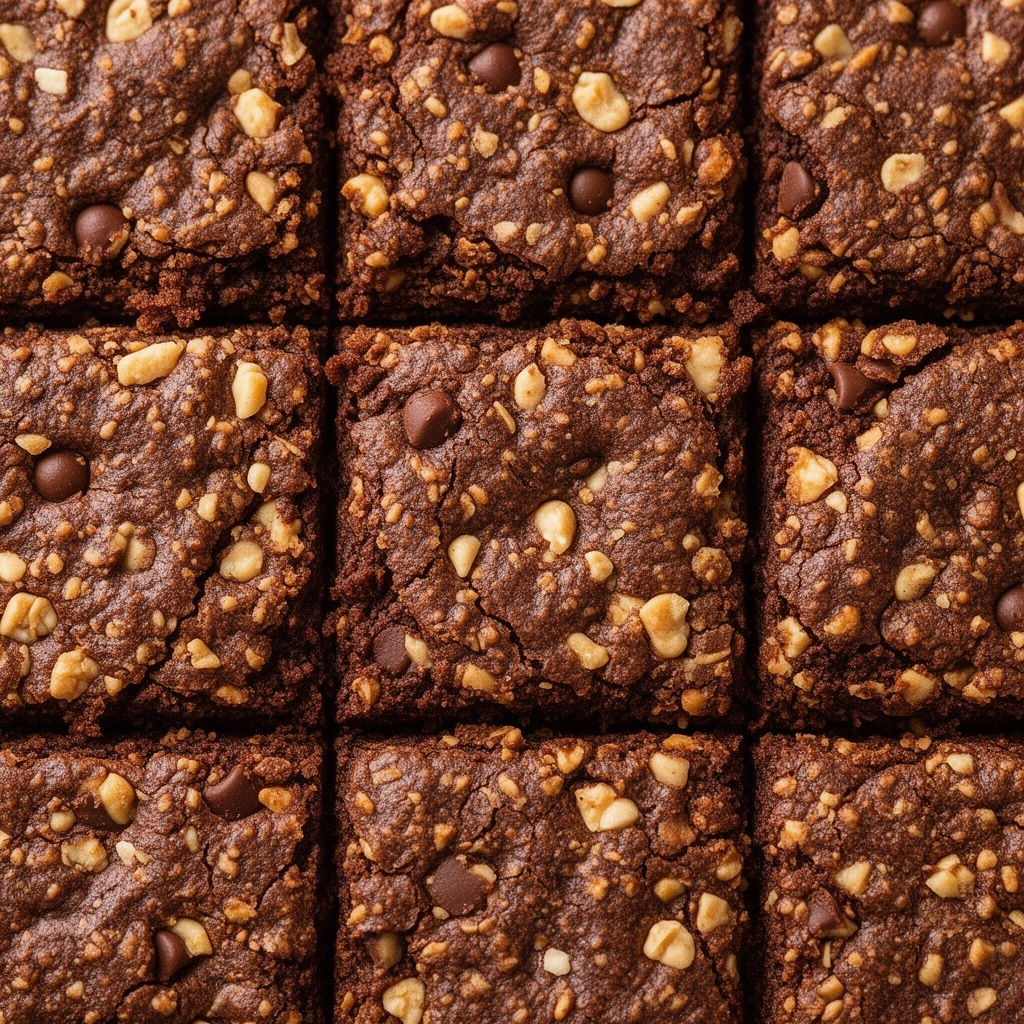
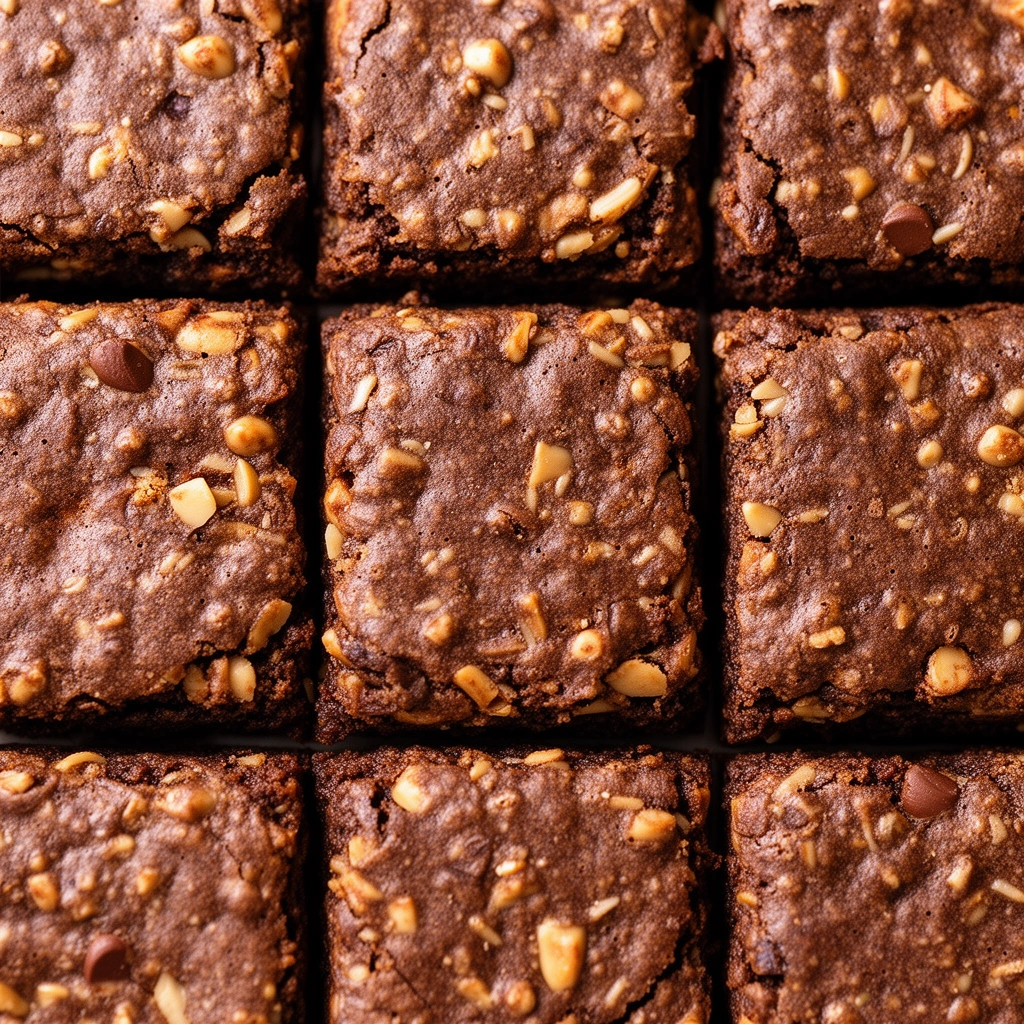
Dog brownies are a chocolate-free, sugar-free version of the classic dessert, made specifically to be safe for canine digestion. They swap out cocoa for carob powder, use natural sweeteners like mashed banana or pumpkin instead of refined sugar, and rely on dog-friendly flours.
They look like brownies. They smell kind of like brownies. But they’re built from the ground up with your dog’s health in mind.
Here’s a quick breakdown of the key terms you’ll run into:
Carob powder
: A caffeine-free, chocolate-free powder made from the carob tree. It tastes similar to chocolate but is completely safe for dogs.
Xylitol
: A sugar substitute that is extremely toxic to dogs. Always double-check labels, especially on peanut butter, before baking.
Theobromine
: The compound in real chocolate and cocoa that dogs cannot metabolize properly. This is why regular brownies are off-limits.
Whole wheat flour
: A common base flour for dog treats, though oat flour or rice flour work well for dogs with wheat sensitivities.
Binder
: An ingredient like egg or mashed banana that holds the batter together without needing butter or oil in large amounts.
Ingredients You’ll Need
Before we get into the steps, let’s talk ingredients. This is honestly where a lot of recipes fall short. They just list stuff without explaining why it matters or what you can swap.
- 1 cup whole wheat flour (or oat flour for a grain-gentle option)
- 1/2 cup carob powder (never cocoa or baking chocolate)
- 1 ripe banana, mashed
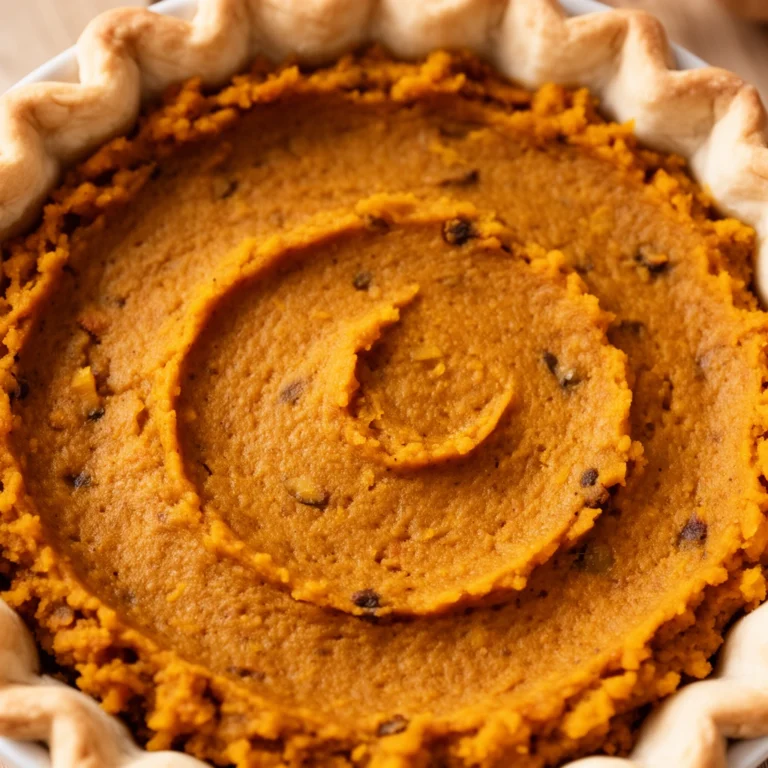
- 1/2 cup unsweetened pumpkin puree
- 2 eggs
- 1/4 cup peanut butter (xylitol-free, always check the label)
- 1/4 cup water or unsweetened applesauce
- Optional: a handful of shredded carrot for extra fiber
Every one of these swaps has a purpose. The banana and pumpkin add natural sweetness and moisture so you don’t need sugar or oil. The peanut butter brings in flavor dogs go crazy for, but it has to be xylitol-free. I can’t stress that enough. Some brands sneak xylitol into “natural” peanut butter, and it’s genuinely dangerous, even in small amounts.
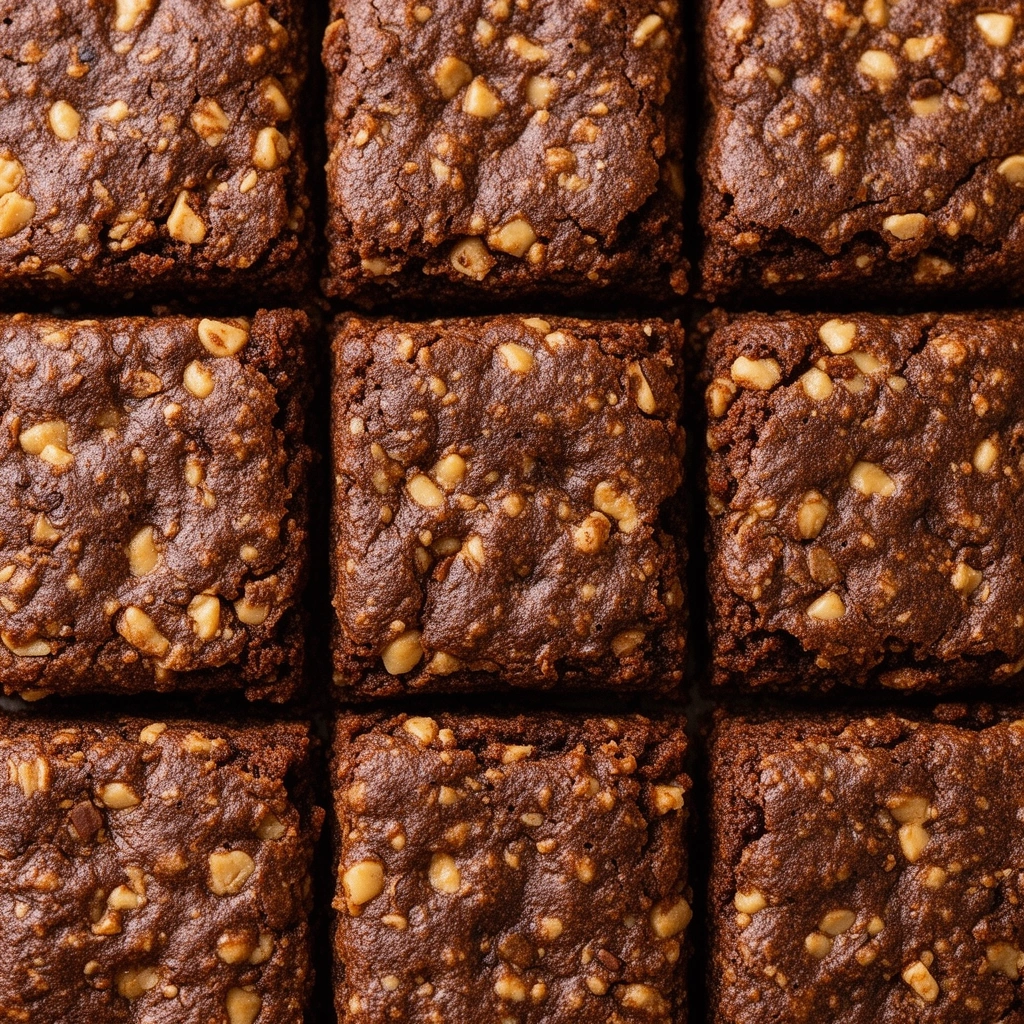
Step-by-Step: How to Make Brownies For Dogs
Alright, let’s actually make these things.
- Preheat your oven to 350°F (175°C).
- Grease a small baking pan, roughly 8×8 inches works fine.
- In a large bowl, mash the banana until smooth.
- Add the pumpkin puree, eggs, and peanut butter. Mix until combined.
- Slowly add the flour and carob powder, stirring as you go.
- Add water or applesauce a little at a time until the batter reaches a thick, spreadable consistency.
- Fold in shredded carrot if you’re using it.
- Pour the batter into your greased pan and spread it evenly.
- Bake for 20 to 25 minutes, or until a toothpick comes out clean.
- Let the brownies cool completely before cutting into small squares.
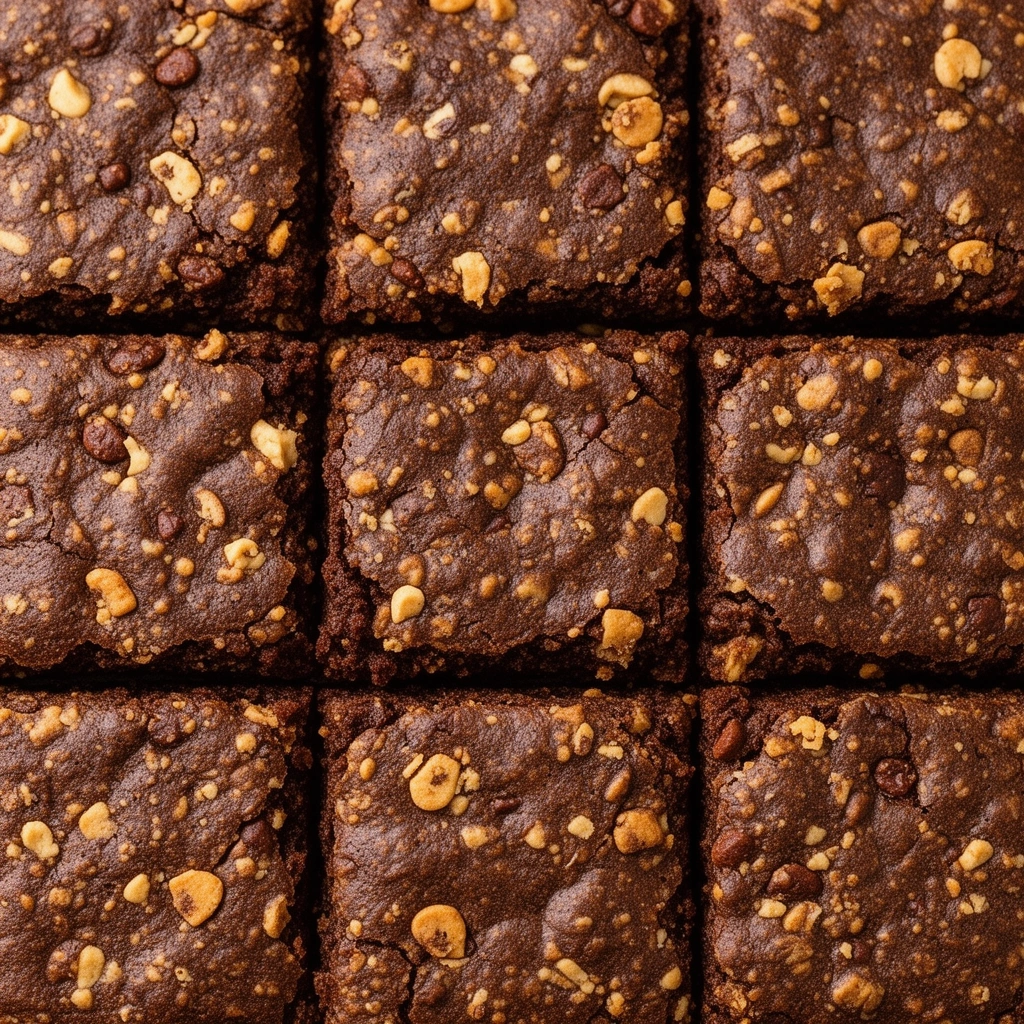
That cooling step matters more than people think. Cutting warm brownies makes a crumbly mess, and honestly, letting them rest helps the texture firm up into that classic fudgy bite.
Tips for Success
I’ve messed these up before, so let me save you the trouble.
- Use a ripe banana. Under-ripe bananas don’t mash smoothly and throw off the texture.
- Measure your carob powder carefully. Too much can make the batter bitter, even for dogs.
- Cut the brownies small. These are treats, not meals, and portion control matters a lot for smaller breeds.
- Store leftovers in the fridge for up to five days, or freeze them for longer storage.
- Test a tiny piece first if your dog has never had carob before. Some dogs have sensitive stomachs.
Common Mistakes and How to Avoid Them
Using cocoa powder instead of carob
: This is the biggest and most dangerous mistake. Cocoa contains theobromine, which is toxic to dogs. Carob is the only safe substitute here.
Adding sugar or honey in large amounts
: Dogs don’t need sugar, and too much can lead to upset stomachs or weight gain over time. Natural sweetness from banana and pumpkin is more than enough.
Skipping the xylitol check
: Peanut butter is the sneaky culprit here. Always read the ingredient label, not just the front of the jar.
Overbaking
: Dog brownies dry out faster than human ones since there’s less fat and sugar. Pull them out as soon as a toothpick comes out clean.
Giving too many at once
: Even safe treats should be given in moderation. A good rule of thumb is treats shouldn’t make up more than 10% of your dog’s daily calories.
Variations You Can Try
Once you’ve got the base recipe down, it’s fun to switch things up depending on what your dog likes or what you’ve got in the pantry.
- Sweet Potato Brownies: Swap pumpkin puree for mashed sweet potato for a slightly different flavor and extra beta-carotene.
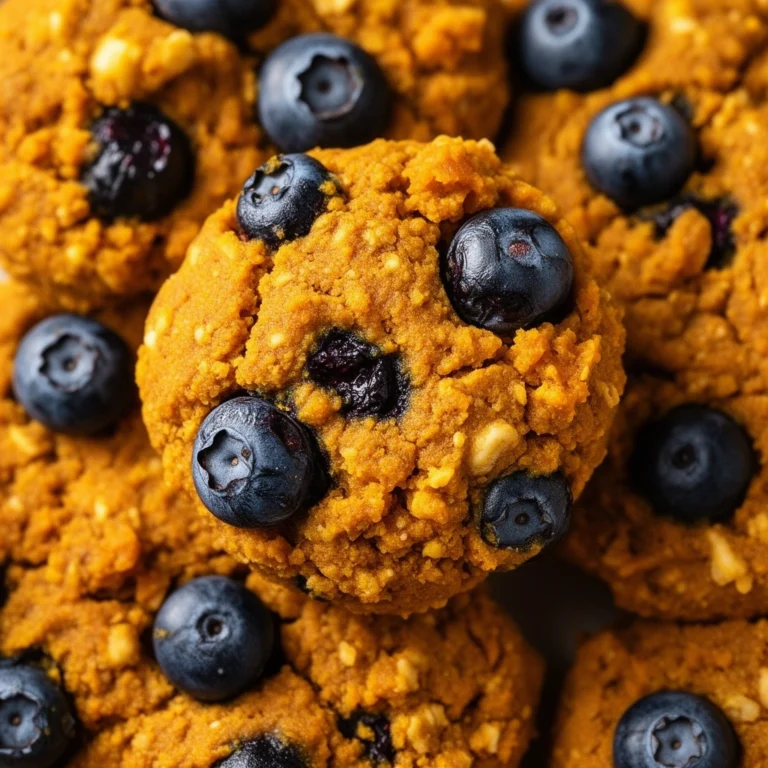
- Blueberry Brownies: Fold in fresh or frozen blueberries for a burst of antioxidants and a little natural tartness.
- Grain-Free Brownies: Use almond flour or coconut flour instead of wheat flour for dogs with grain sensitivities.
- Frosted Brownies: Top with a thin layer of plain yogurt mixed with a bit of peanut butter for a “frosted” look that dogs absolutely lose their minds over.
- Liver Brownies: For dogs who aren’t into the sweeter versions, blend in a small amount of cooked liver for a savory twist.
Each variation keeps the same safe foundation but lets you customize based on your dog’s taste, allergies, or just what you happen to have on hand.
A Quick Word on Nutrition and Safety
I think this part gets skipped way too often. Dog brownies are treats, plain and simple. They shouldn’t replace meals or become an everyday thing. Pumpkin and banana are great for digestion, but too much fiber can actually cause loose stools if you overdo it.
If your dog has diabetes, kidney issues, or any dietary restriction, it’s worth checking with your vet before introducing a new treat, even a “safe” one like this. Every dog is different, and what works for one might not sit right with another.
Wrapping It Up
Making brownies for dogs is honestly one of the easiest ways to spoil your pup without any guilt. You get that fun baking experience, your kitchen smells amazing, and your dog gets a treat that’s actually good for them instead of something that could land you at the emergency vet.
Just remember the big rules: no cocoa, no xylitol, no sugar overload, and always cool before cutting. Stick to those, and you’ve basically got a foolproof treat your dog will beg for every single time you open the oven. Give these brownies for dogs a try, and watch your pup’s tail do all the talking.