Pumpkin Pancakes For Dogs: A Complete Guide to Making This Tail-Wagging Treat
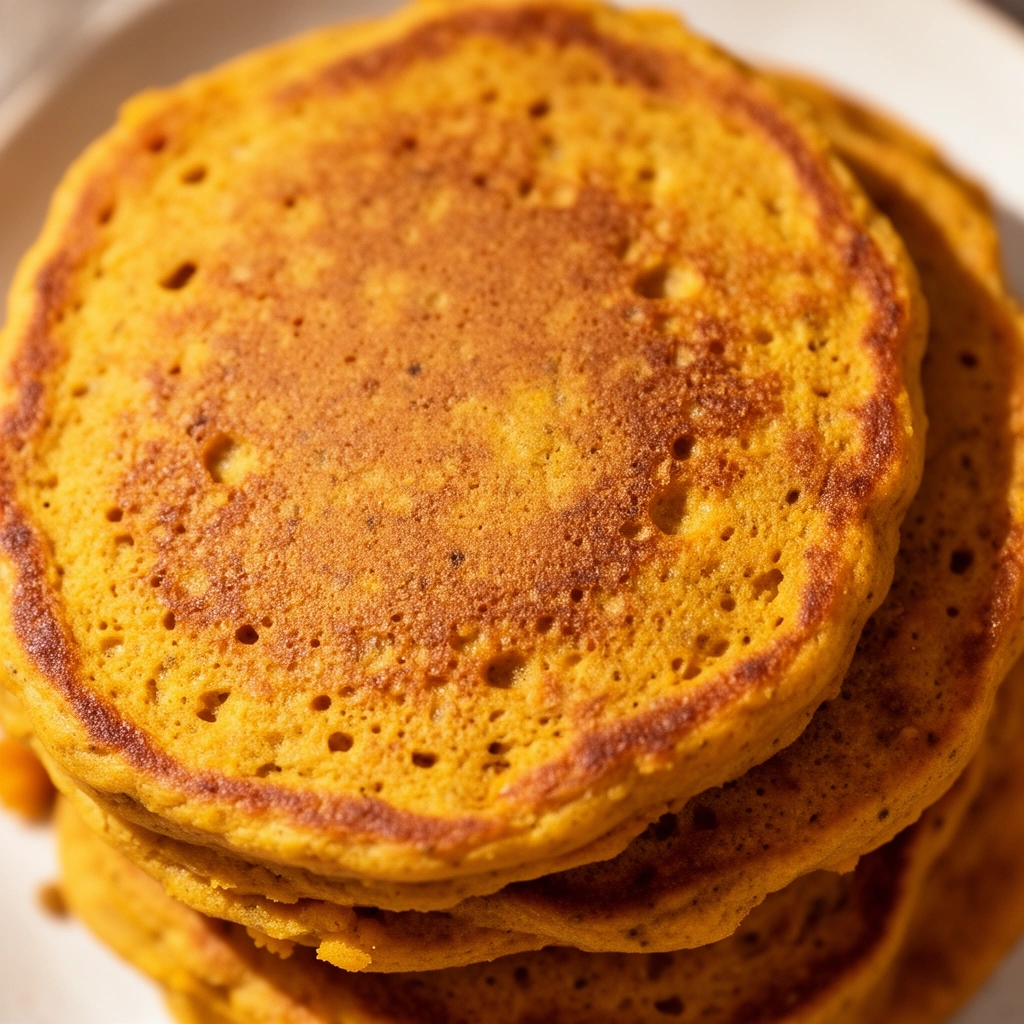
Ever caught your pup staring at your breakfast plate with those puppy dog eyes? I know that feeling all too well. That’s exactly why I started making pumpkin pancakes for dogs—a treat that lets my furry friend join in on breakfast without any of the sugar, syrup, or ingredients that could upset his tummy.
If you’ve been searching for a dog-friendly recipe that’s actually good for your pooch (not just something that won’t hurt them), you’ve landed in the right spot. Pumpkin pancakes for dogs check every box: they’re easy to make, packed with fiber, and dogs genuinely go nuts for them.
What Are Pumpkin Pancakes For Dogs?
So what exactly makes these different from your regular Sunday morning pancakes? Pumpkin pancakes for dogs are a simplified version of the human treat, swapping out sugar, butter, and syrup for ingredients that support canine digestion and health.
Think of them as a bridge between “human food” and “dog treats.” They look like pancakes, smell like pancakes, but they’re built specifically with your dog’s stomach in mind. Pumpkin itself is a superstar ingredient in the dog world. It’s low in calories, loaded with fiber, and packed with vitamins like A and C.
Most recipes use just a handful of ingredients—pumpkin puree, eggs, and flour being the core trio. Some pet owners add peanut butter for extra flavor (just make sure it’s xylitol-free), while others toss in a sprinkle of cinnamon for warmth and added health perks.
The beauty of this treat? You control exactly what goes into your dog’s body. No preservatives, no mystery ingredients, no guessing games.
Key Terms You Should Know
Before diving into the recipe, let’s break down some terms you’ll come across:
Pumpkin Puree
: Pure, cooked pumpkin with nothing added—no sugar, no spices, no salt. Different from pumpkin pie filling, which contains added sugars and spices that aren’t dog-safe.
Xylitol
: An artificial sweetener found in some peanut butter brands and baked goods. Extremely toxic to dogs, even in small amounts. Always check labels.
Grain-Free Flour
: Flour alternatives like almond flour, coconut flour, or oat flour, ideal for dogs with grain sensitivities or allergies.
Binder
: An ingredient (like eggs) that holds the pancake batter together, giving it that classic pancake texture.
Portion Control
: The practice of giving treats in appropriate, small amounts to avoid weight gain or digestive upset in dogs.
Ingredients You’ll Need
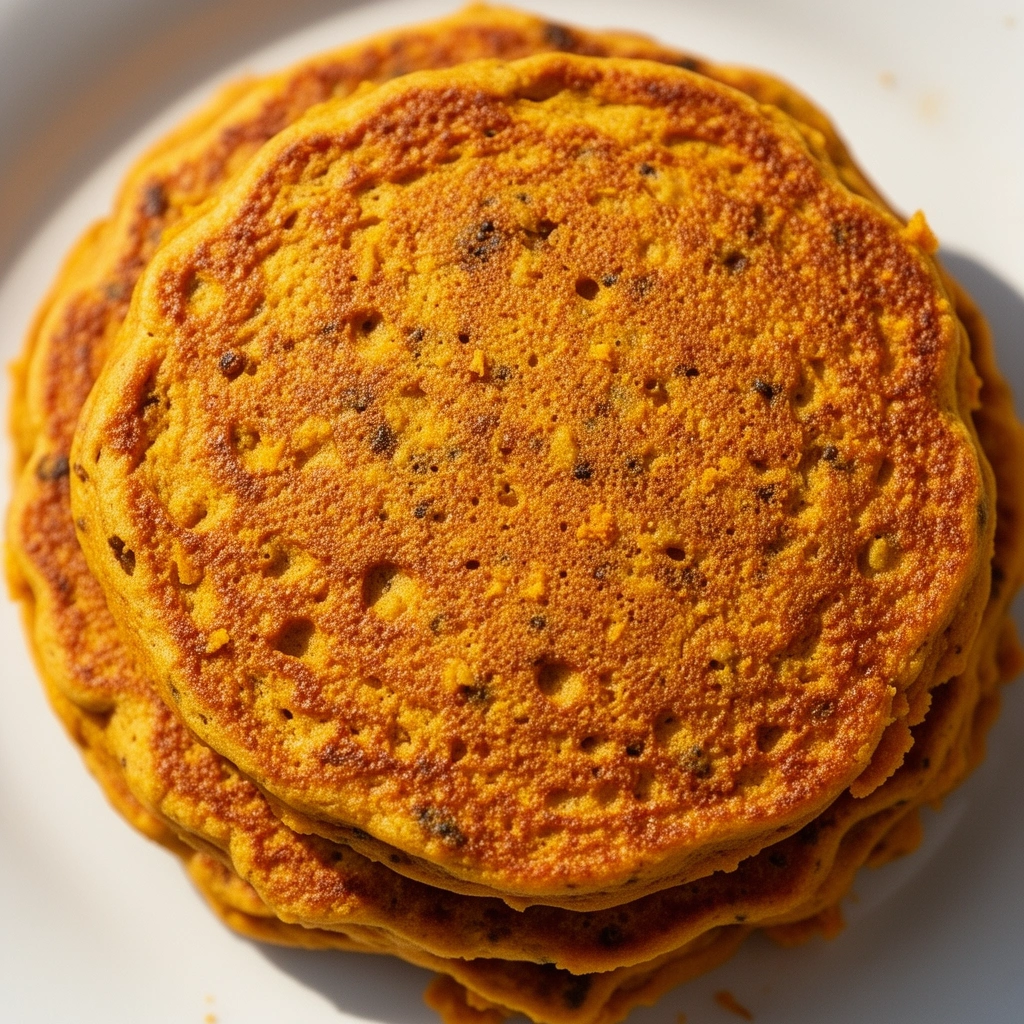
Here’s what goes into a basic batch of pumpkin pancakes for dogs:
- 1 cup pumpkin puree (plain, not spiced)
- 2 large eggs
- 1 cup oat flour or whole wheat flour
- 1 teaspoon cinnamon (optional, but adds flavor dogs enjoy)
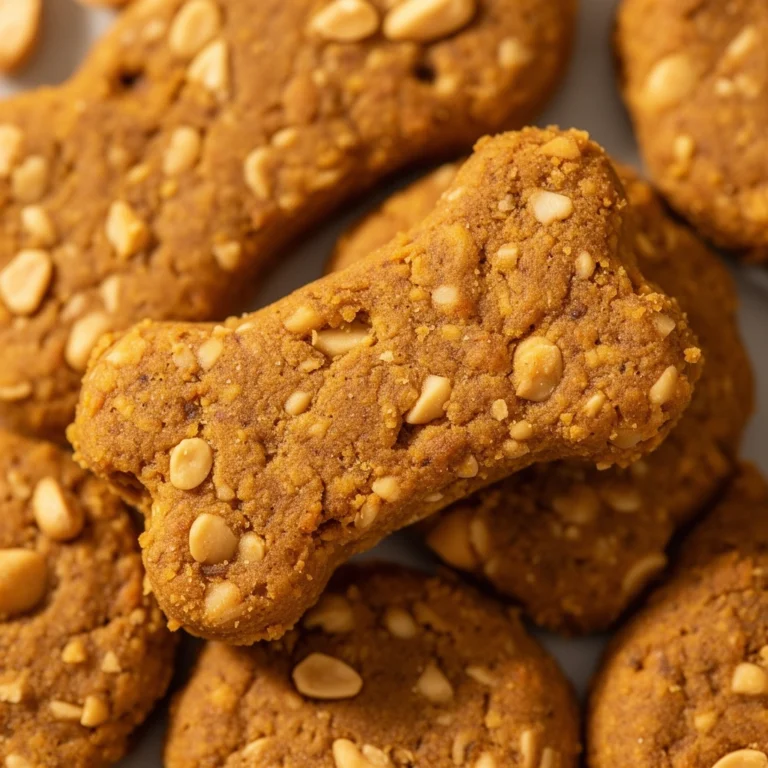
- 2 tablespoons peanut butter (xylitol-free, optional)
- A splash of water or unsweetened almond milk (only if batter feels too thick)
That’s it. No sugar, no salt, no baking powder needed for basic versions—though some recipes include a pinch for fluffier texture.
Step-by-Step: How To Make Pumpkin Pancakes For Dogs
Ready to get cooking? Follow these steps for pancakes your dog will beg for:
- Preheat your skillet. Set it to medium-low heat. Dogs’ treats don’t need high heat—slow and steady prevents burning.
- Mix your wet ingredients. In a bowl, combine pumpkin puree and eggs. Whisk until smooth and well blended.
- Add the peanut butter (if using). Stir it into the wet mixture until fully incorporated.
- Slowly add your flour. Pour in the flour a little at a time, stirring continuously. You’re aiming for a thick, scoopable batter—similar to regular pancake batter but slightly denser.
- Adjust consistency. If the batter feels too thick to pour, add a small splash of water or unsweetened almond milk.
- Grease your skillet lightly. A small amount of coconut oil works well and adds a nice flavor dogs love.
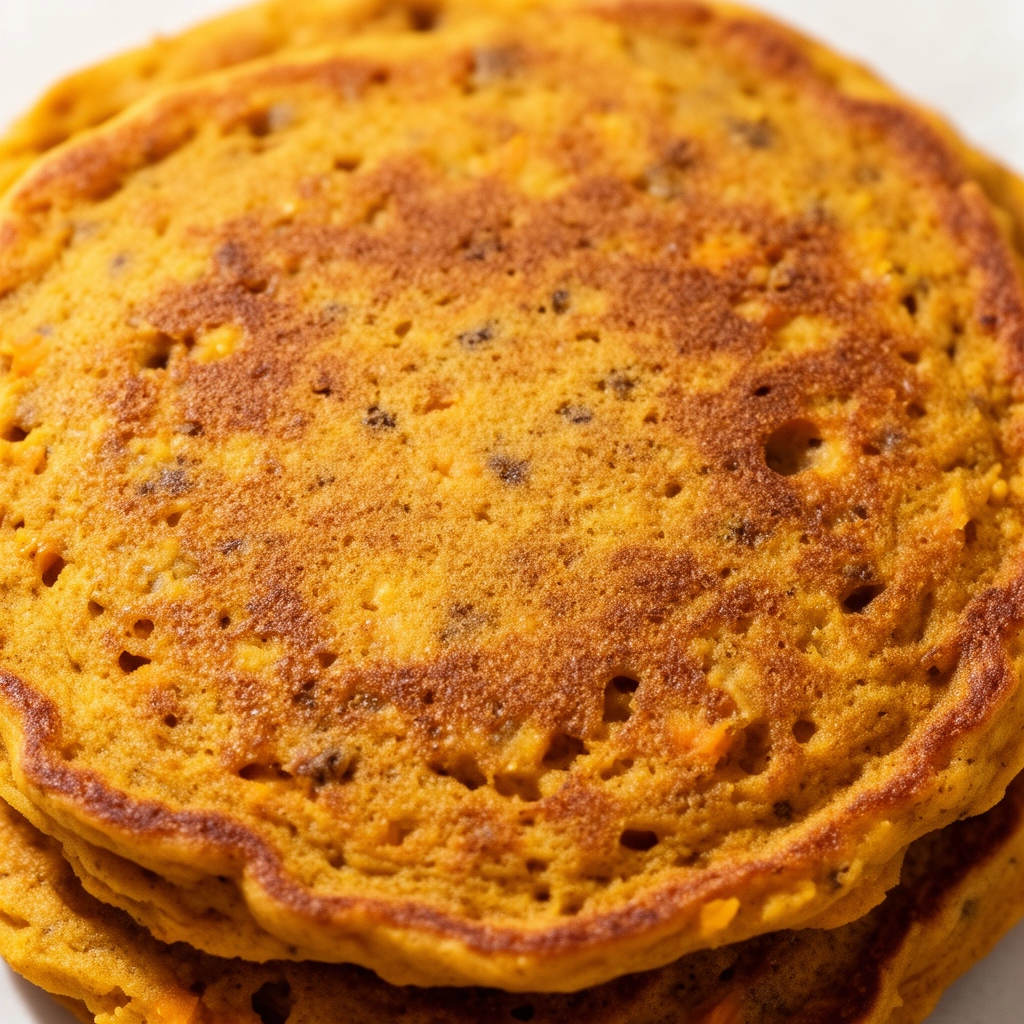
- Pour small portions. Use a tablespoon to scoop batter onto the skillet. Keep them small—about 2 to 3 inches wide works best for most dogs.
- Cook until bubbles form. This usually takes 2 to 3 minutes on the first side.
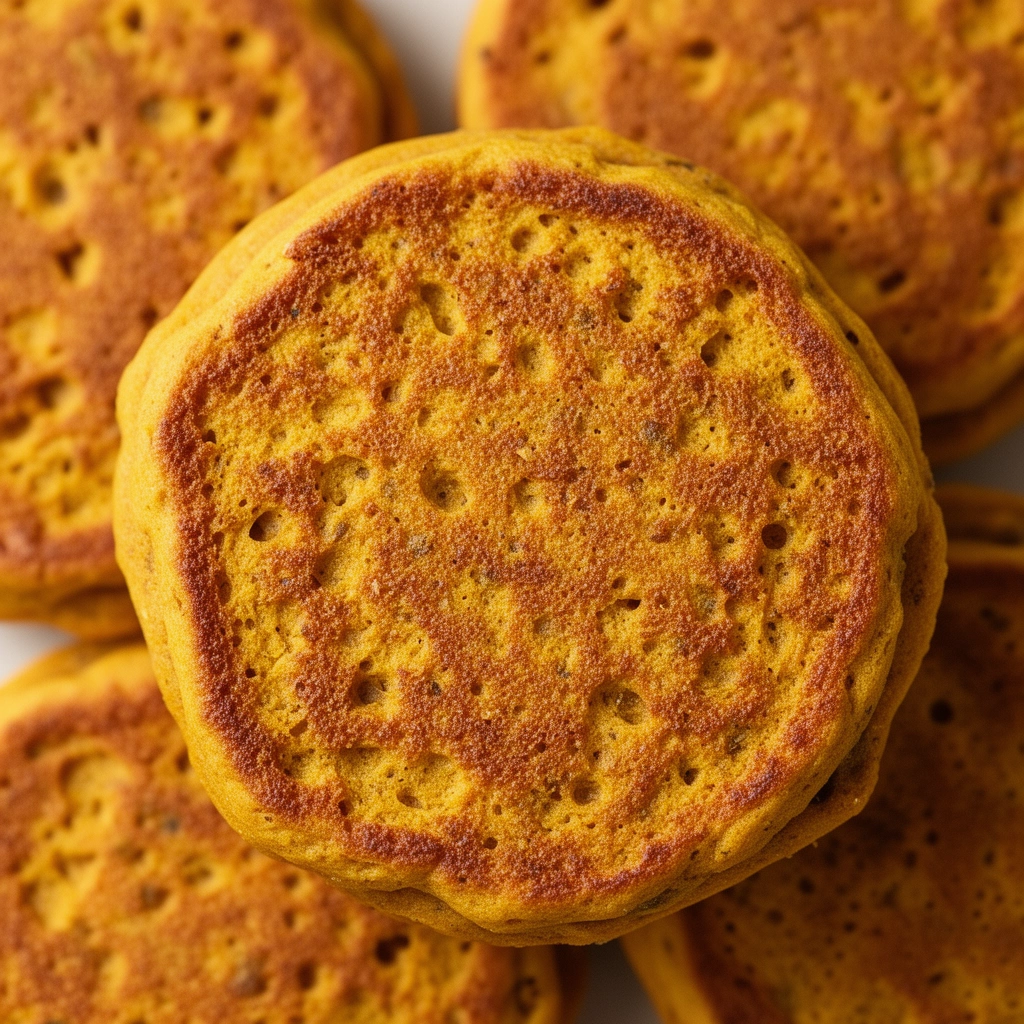
- Flip carefully. Cook the other side for another 1 to 2 minutes, until golden brown.
- Cool completely. This step matters more than people think. Hot pancakes can burn your dog’s mouth.
- Serve in moderation. One small pancake is plenty for most dogs, especially small breeds.
Tips For Success
Getting these pancakes right takes a bit of practice. Here’s what I’ve learned:
- Use ripe, plain pumpkin only. Canned pumpkin pie mix contains sugar and spices that can harm your dog. Always double-check labels.
- Keep portions small. Think silver dollar-sized pancakes, not diner-sized stacks. Dogs don’t need large servings to enjoy a treat.
- Store leftovers properly. Keep extra pancakes in an airtight container in the fridge for up to 4 days, or freeze them for up to 2 months.
- Warm frozen pancakes gently. Never microwave straight from frozen—thaw in the fridge overnight or warm slightly before serving.
- Introduce new ingredients slowly. If your dog hasn’t had pumpkin or peanut butter before, offer a tiny amount first and watch for any reaction.
- Match texture to your dog’s chewing ability. Older dogs or those with dental issues might prefer softer, thinner pancakes.
Common Mistakes And How To Avoid Them
Even simple recipes can go sideways. Here’s where owners often slip up:
Using Pumpkin Pie Filling Instead Of Pure Pumpkin
: This is probably the biggest mistake I see. Pumpkin pie filling contains added sugar, nutmeg, and other spices that can be toxic to dogs. Always grab plain pumpkin puree.
Adding Sugar Or Honey “For Taste”
: Dogs don’t need sweeteners the way humans crave them. Their taste buds respond well to the natural pumpkin flavor alone.
Cooking On High Heat
: This burns the outside while leaving the inside raw. Medium-low heat cooks pancakes evenly without scorching.
Serving Pancakes Too Hot
: Dogs will often gobble food down without waiting for it to cool, which can burn their mouths. Always let pancakes cool to room temperature.
Overfeeding
: Just because your dog loves them doesn’t mean they should eat five pancakes in one sitting. Too much pumpkin, even though it’s healthy, can cause loose stools.
Skipping The Egg
: Some owners try to make egg-free versions without a proper substitute, resulting in pancakes that fall apart. If skipping eggs, use mashed banana or a flaxseed-water mixture as a binder instead.
Not Checking For Allergies
: Wheat, peanut butter, and even pumpkin can occasionally cause allergic reactions in sensitive dogs. Watch for itching, swelling, or digestive upset after the first try.
Similar Variations You Can Try
Once you’ve nailed the basic recipe, feel free to get creative. Here are some variations dog owners love:
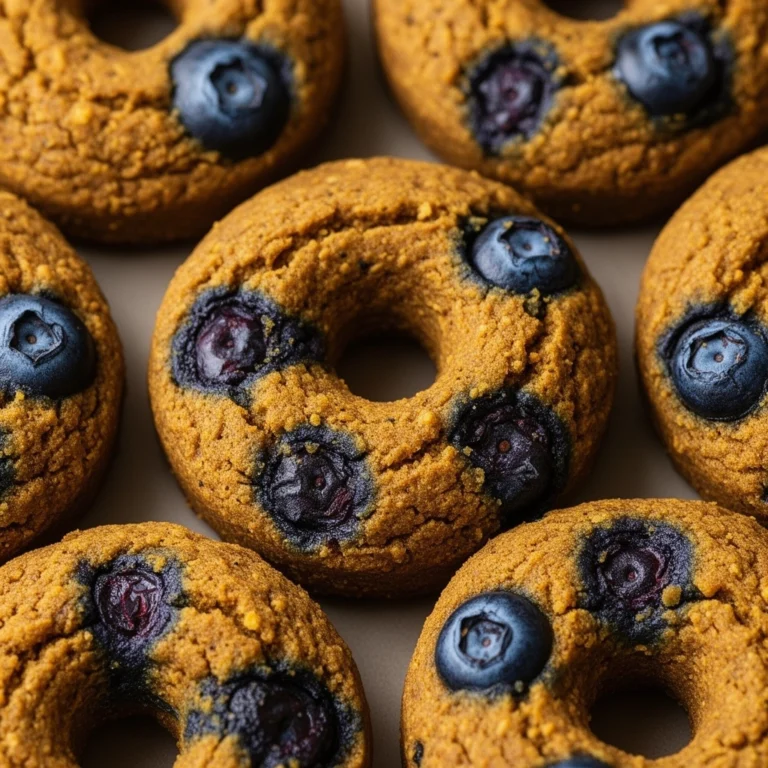
- Blueberry Pumpkin Pancakes: Add a handful of mashed blueberries to the batter for extra antioxidants and a fun purple tint.
- Banana Pumpkin Pancakes: Swap half the pumpkin for mashed banana for a sweeter, softer pancake.
- Grain-Free Version: Replace wheat or oat flour with almond flour or coconut flour for dogs with grain sensitivities.
- Turkey Pumpkin Pancakes: Mix in finely shredded, plain cooked turkey for a protein-packed savory twist.
- Frozen Pumpkin Pancake Bites: Make mini versions and freeze them for a cool summer treat.
- Sweet Potato Pumpkin Pancakes: Combine mashed sweet potato with pumpkin for double the fiber and vitamins.
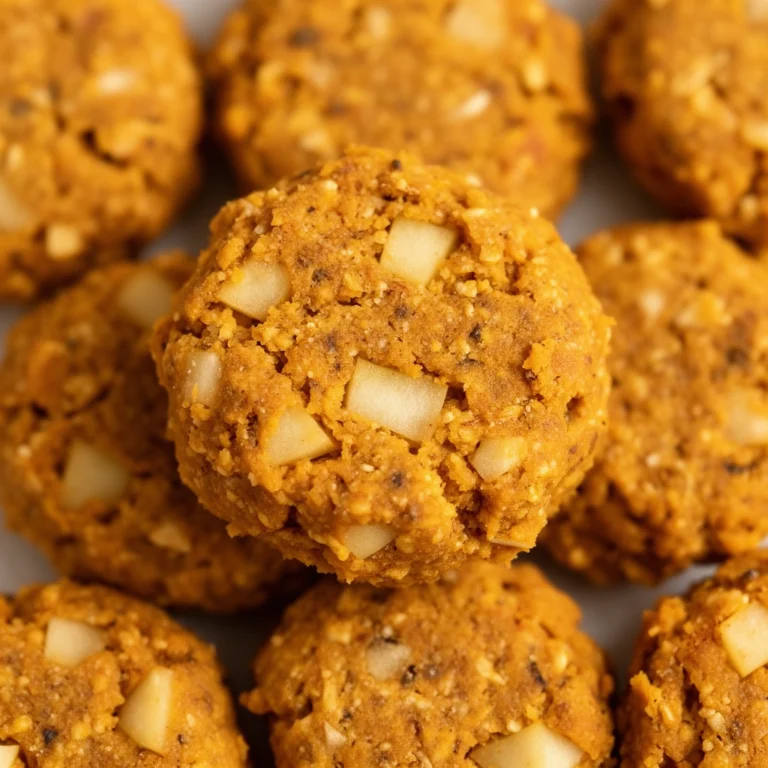
- Apple Cinnamon Pumpkin Pancakes: Add finely grated apple (no seeds) along with cinnamon for extra natural sweetness.
Each variation keeps the same dog-safe foundation while giving you room to experiment based on what your pup enjoys most.
When To Avoid Giving Pumpkin Pancakes
While generally safe, there are situations where you should hold off:
- If your dog has diabetes, consult your vet first since even natural carbs can affect blood sugar.
- If your dog has kidney issues, high-potassium foods like pumpkin might need to be limited.
- If your dog is currently dealing with diarrhea or digestive upset, adding more fiber could make things worse before they get better.
- Always ask your veterinarian if your dog has a chronic health condition before introducing new treats.
Wrapping It Up
Pumpkin pancakes for dogs are one of those rare treats that check every box—easy to make, gentle on the stomach, and something your dog will absolutely love. Whether you stick to the basic recipe or branch out into blueberry or sweet potato versions, you’re giving your pup a treat made with real, wholesome ingredients.
I’ve made these more times than I can count, and watching my dog’s tail wag the second he smells pumpkin cooking never gets old. Give this recipe a try, and I promise your dog will be sitting by the kitchen counter every time pancake day rolls around.