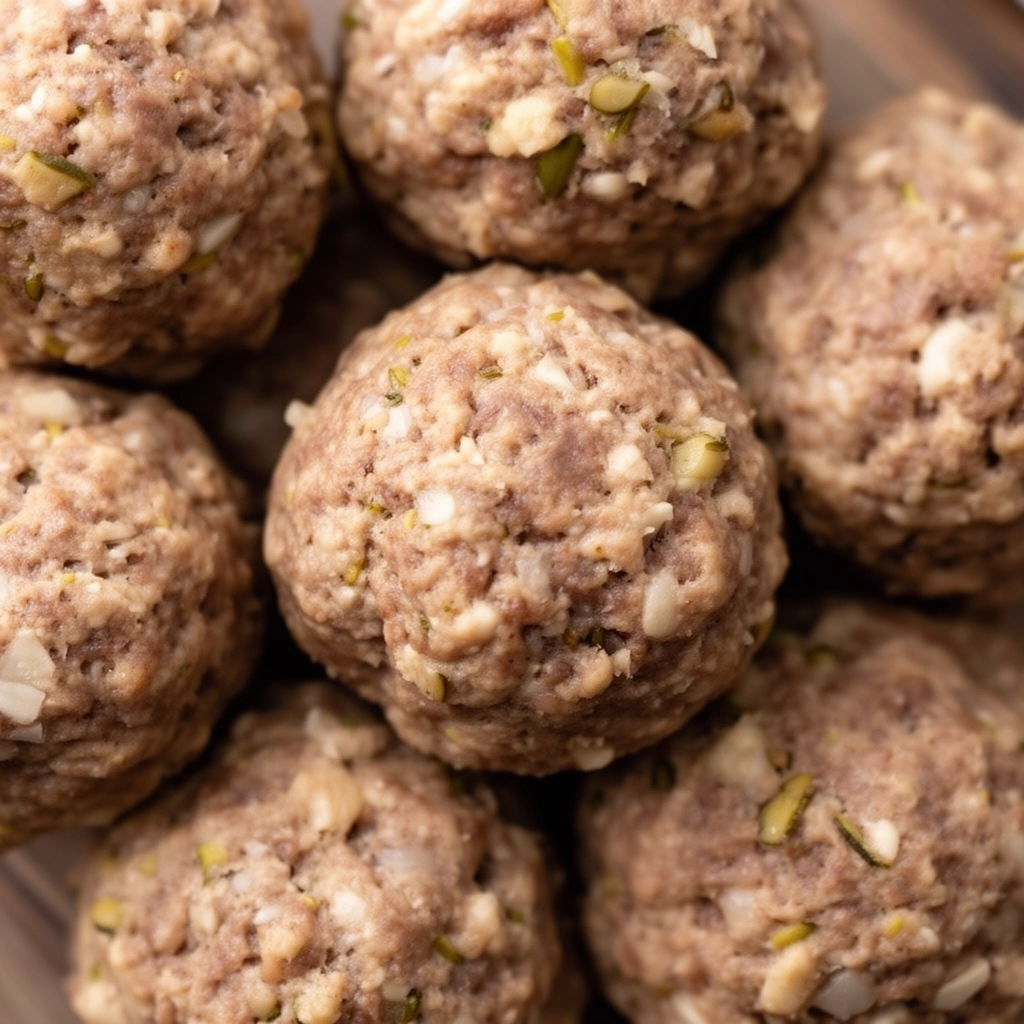
Homemade Meatballs for Dogs Recipe: A Tail-Wagging Treat You Can Trust
Ever caught your dog staring at your dinner plate with those big, hopeful eyes? I have. That’s exactly why I started making a homemade meatballs for dogs recipe in my own kitchen. No mystery ingredients. No preservatives I can’t pronounce. Just real food, made with love, for the pup who gives me unconditional love every single day.
Store-bought treats can be hit or miss. Some are loaded with fillers. Others sneak in ingredients that upset sensitive tummies. When I decided to take matters into my own hands, I realized how simple and rewarding it is to whip up a batch of dog-safe meatballs right at home. Today, I’m sharing everything I’ve learned, including a few things other recipes online tend to skip.
What Are Dog Meatballs, Exactly?
Let’s get one thing straight. Dog meatballs aren’t just smaller versions of what you’d eat with spaghetti. They’re specially crafted treats or meal-toppers made without the seasonings, salt, and additives that are risky for canine digestion.
Think of them as a blank canvas. You control every single ingredient. That means no onion powder, no garlic, no excess sodium—all things that can be harmful or even toxic to dogs.
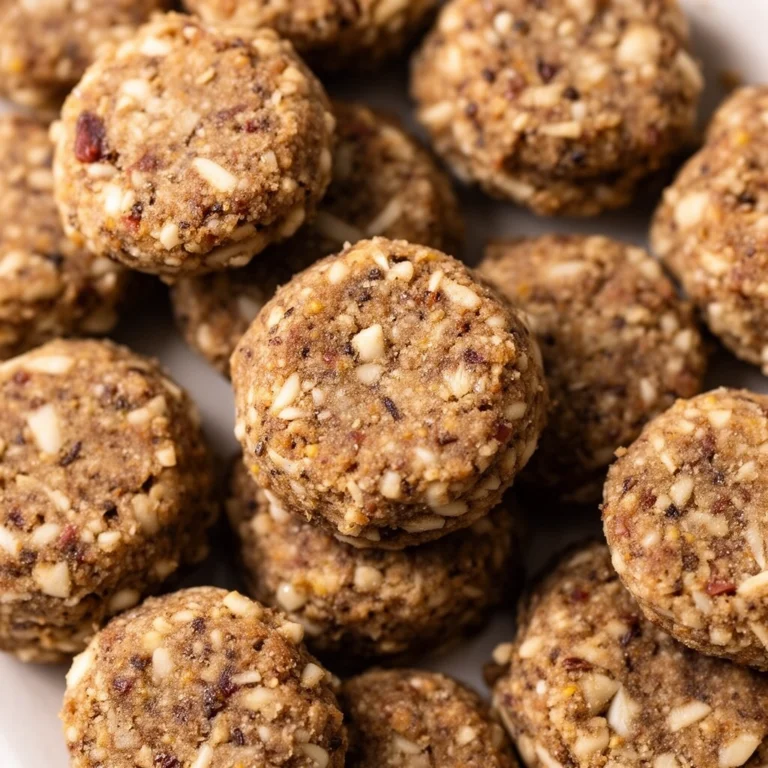
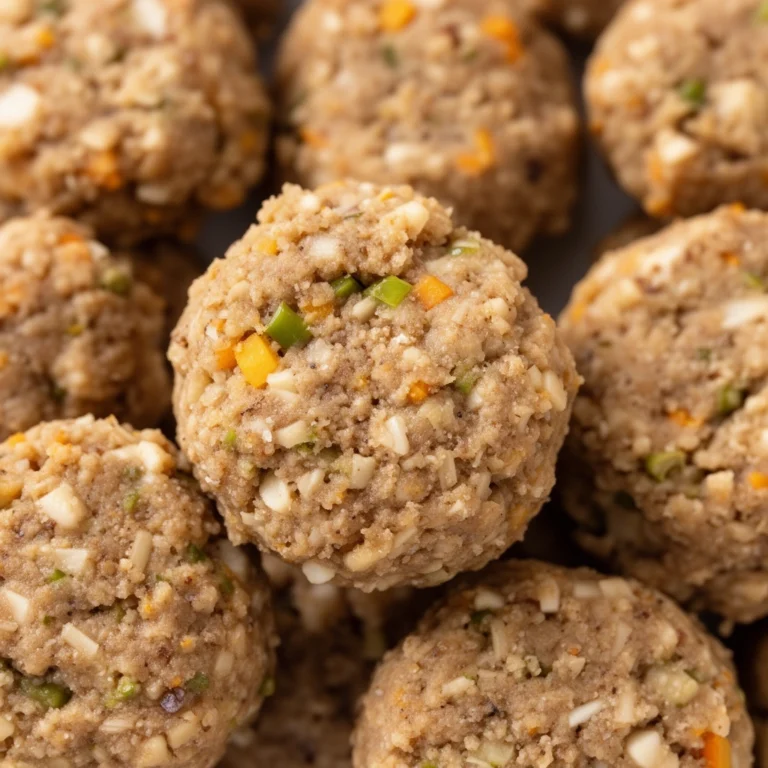
I like to think of these meatballs as edible love letters. They’re small enough for a quick training reward, hearty enough to serve as a meal topper, and versatile enough to freeze for later use.
Key Terms You Should Know
Before diving into the recipe, let’s clear up some terminology. I found that a lot of guides throw around words without explaining them, which leaves pet parents confused.
Lean protein
: Meat with low fat content, such as ground turkey, chicken breast, or lean beef. This keeps calories in check and reduces the risk of pancreatitis.
Binder
: An ingredient that holds the meatball together, like eggs, oat flour, or mashed pumpkin. Without a binder, your meatballs will crumble apart.
Filler
: Ingredients added purely for bulk, often with little nutritional value. Good homemade recipes avoid unnecessary fillers like white flour or breadcrumbs made with salt.
Toxic ingredients
: Foods harmful to dogs, including onions, garlic, chocolate, grapes, and anything containing xylitol. These must be avoided completely.
Portion control
: Measuring treats or meal additions so they don’t exceed 10% of your dog’s daily caloric intake.
Ingredients You’ll Need
Here’s where I noticed a gap in a lot of other recipes. They list ingredients but never explain why each one matters. Let me break it down for you.
- 1 pound lean ground turkey or chicken – provides protein without excess fat
- 1 large egg – acts as a natural binder
- 1/2 cup rolled oats (ground into flour) – adds fiber and helps hold shape
- 1/4 cup plain pumpkin puree – boosts digestion and adds natural sweetness
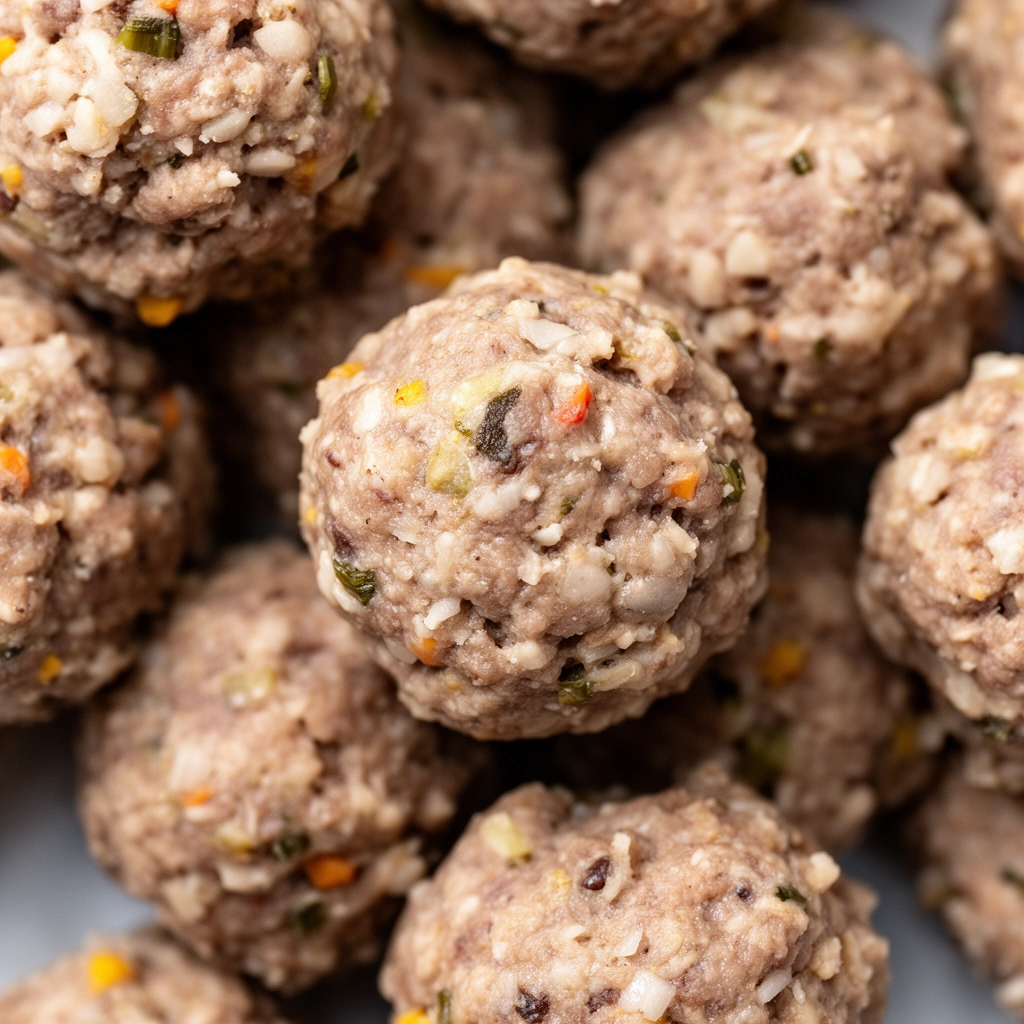
- 1 small carrot, finely grated – sneaks in vitamins and a bit of crunch
- 1 tablespoon fresh parsley, chopped – freshens breath and adds antioxidants
- 1 teaspoon flaxseed meal (optional) – supports healthy skin and coat
Notice what’s missing? Salt, garlic, onion, and any spice blends. That’s intentional. Dogs don’t need seasoning the way we do. Their taste buds work differently, and their livers can’t process certain spices safely.
Step-by-Step Meatball Making Process
I’ll walk you through this the same way I do it in my kitchen. No guesswork, just clear steps.
- Preheat your oven to 350°F (175°C) and line a baking sheet with parchment paper.
- Combine the ground meat and egg in a large mixing bowl. Use your hands or a spoon to mix thoroughly.
- Add the oat flour a little at a time, folding it into the meat mixture until it feels slightly sticky but not wet.
- Mix in the pumpkin puree, grated carrot, and parsley. Stir until everything is evenly distributed.
- Sprinkle in the flaxseed meal if you’re using it, then give the mixture one more good mix.
- Roll the mixture into small balls, about the size of a walnut for medium dogs, or smaller for toy breeds.
- Place the meatballs on your baking sheet, spacing them about an inch apart so they cook evenly.
- Bake for 20-25 minutes, or until the internal temperature reaches 165°F for poultry.
- Let them cool completely before serving. Hot meatballs can burn a dog’s mouth just like they can burn ours.
That’s it. No complicated techniques, no fancy equipment. Just a mixing bowl, an oven, and a little patience.
Tips for Success
I’ve made plenty of batches, and along the way I picked up a few tricks that make a real difference.
- Use a cookie scoop for consistent sizing. This keeps cooking time even across the whole batch.
- Don’t overmix the meat. Overworking it can make the texture tough and rubbery.
- Check your dog’s weight and activity level before deciding on portion sizes. A working dog can handle more than a couch potato.
- Test a small piece first if your dog has never had a new ingredient like pumpkin or flaxseed. Watch for any tummy upset over the next 24 hours.
- Label and date anything you freeze so you’re not guessing later.
Common Mistakes and How to Avoid Them
I’ve seen plenty of well-meaning pet parents make mistakes with homemade treats. Here are the big ones, along with how to sidestep them.
- Adding seasoning out of habit. We season our food automatically, but dogs don’t need salt, garlic, or pepper. Skip it entirely.
- Using fatty ground meat. High-fat meat increases calorie count and raises the risk of pancreatitis. Stick to lean cuts.
- Skipping the binder. Without eggs or oat flour, your meatballs will fall apart the moment they hit the baking sheet.
- Overbaking. Dry, crumbly meatballs aren’t appetizing to your dog and can be harder to digest. Stick to the recommended bake time and check with a meat thermometer.
- Serving them too hot. Always let them cool to room temperature before handing them over.
- Ignoring portion sizes. Treats should never make up more than 10% of your dog’s daily diet. Overfeeding, even with healthy homemade food, can lead to weight gain.
Variations You Can Try
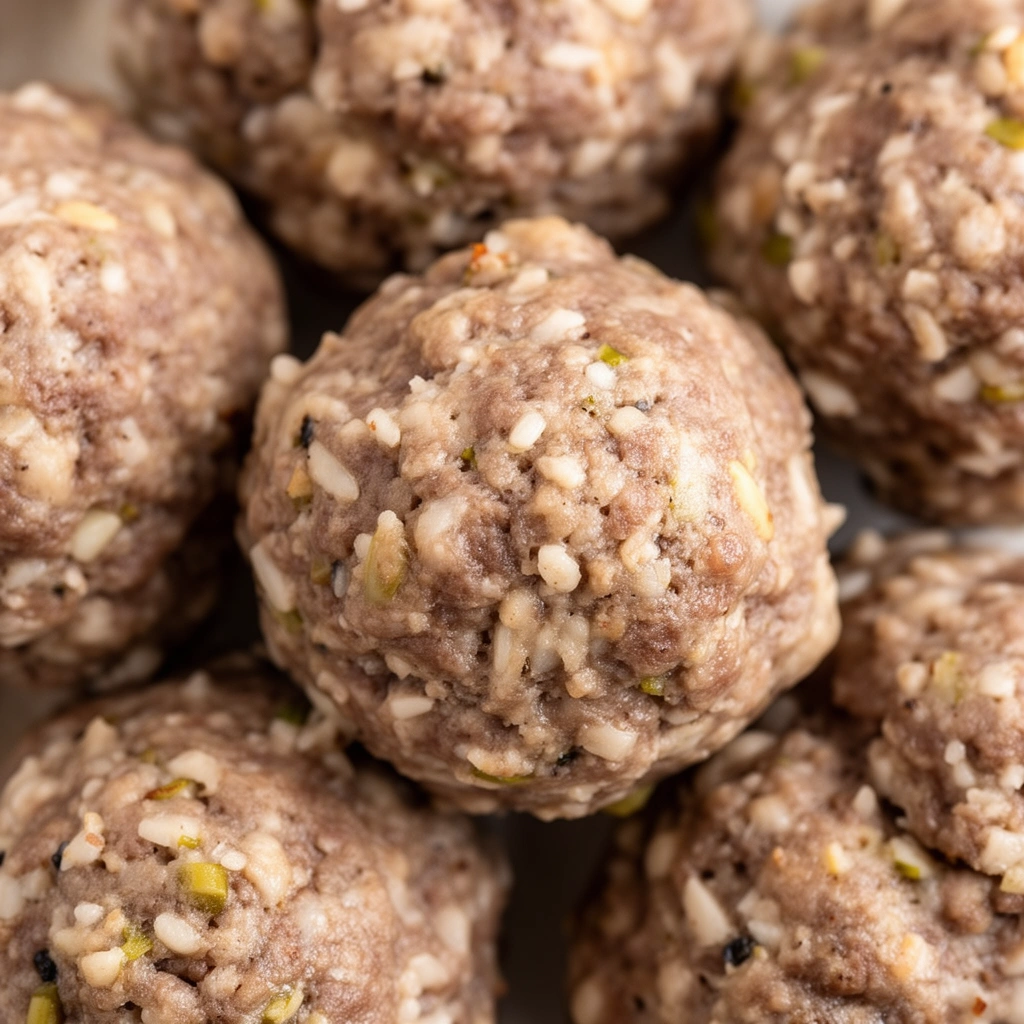
One of my favorite things about this recipe is how flexible it is. Once you’ve got the base down, you can switch things up based on what your dog loves or needs.
Fish-based meatballs
: Swap ground turkey for canned salmon (boneless, skinless, packed in water). Great for dogs with poultry allergies.
Beef and sweet potato meatballs
: Use lean ground beef and swap pumpkin for mashed sweet potato. A rich, hearty option for active dogs.
Grain-free meatballs
: Replace oat flour with almond flour or coconut flour for dogs with grain sensitivities.
Veggie-boosted meatballs
: Add finely chopped spinach or peas for extra fiber and micronutrients.
Frozen training treats
: Roll the mixture smaller, freeze uncooked, then bake in small batches for fresh treats on demand.
Storing and Serving
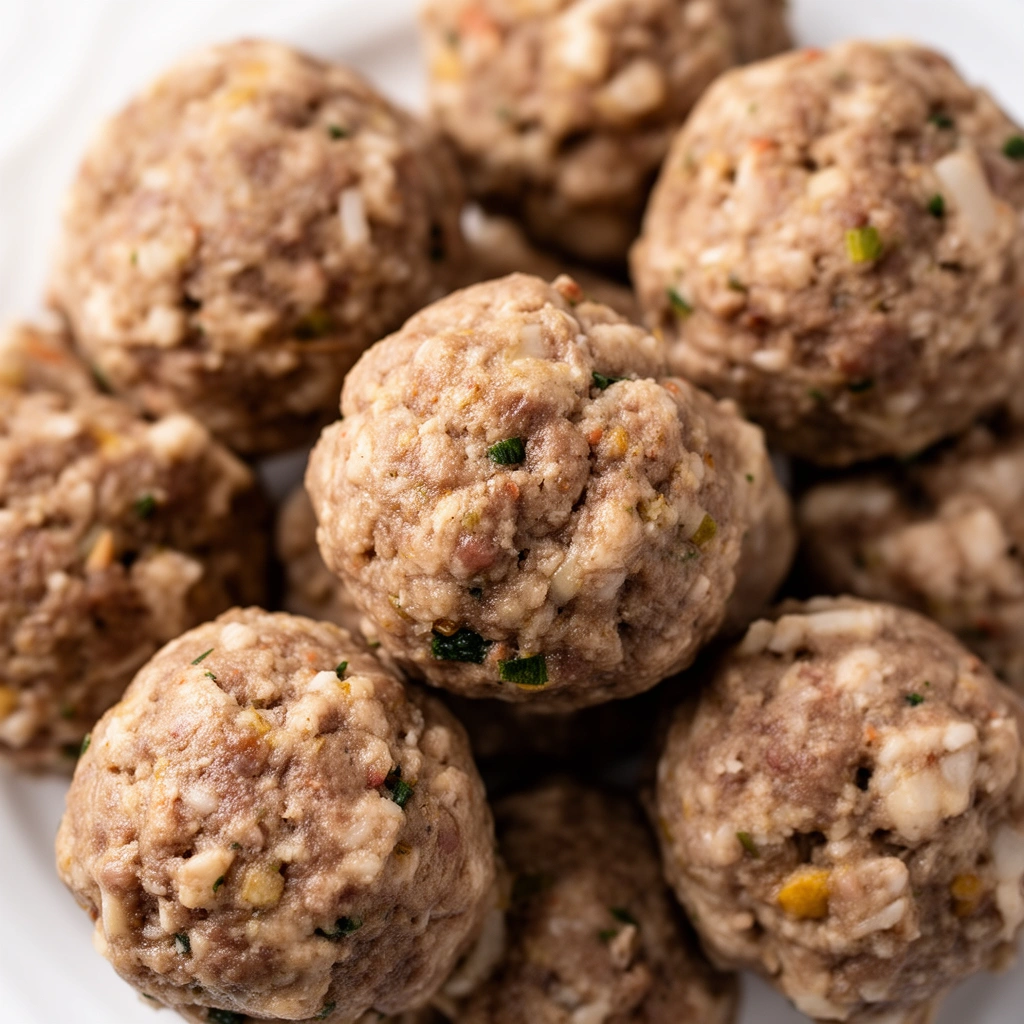
Homemade meatballs don’t have preservatives, so they won’t last as long as store-bought treats. I keep mine in an airtight container in the fridge for up to four days. For longer storage, I freeze them in a single layer on a tray first, then transfer to a freezer bag once solid. That way they don’t clump together into one giant meatball block.
When serving from frozen, just thaw in the fridge overnight or warm briefly at room temperature. Never microwave them, since uneven heating can create hot spots that burn your dog’s mouth.
Wrapping It Up
Making a homemade meatballs for dogs recipe isn’t complicated, and it’s one of the best ways to show your pup some extra love. You control the ingredients, you avoid the sketchy fillers, and you get the satisfaction of watching your dog enjoy something you made with your own hands.
I’ve found that once you get the base recipe down, the possibilities are endless. Swap proteins, add veggies, or freeze a big batch for busy weeks. Your dog won’t just eat these meatballs—they’ll practically do a happy dance for them. Give this homemade meatballs for dogs recipe a try, and watch your best friend’s tail wag like never before.