Homemade Dog Food for Senior Dogs: A Complete Guide to Feeding Your Aging Best Friend
Is your senior dog slowing down, losing interest in his kibble, or struggling with tummy troubles? I’ve been there too. Watching an older dog lose that spark in his eyes over mealtime is tough. That’s exactly why I started digging into homemade dog food for senior dogs, and honestly, it changed everything for my own pup.
Older dogs aren’t just smaller versions of adult dogs. Their bodies work differently. Their organs slow down. Their teeth might not be what they used to be. And their nutritional needs shift in ways most store-bought food doesn’t account for. So today, I want to walk you through everything I’ve learned about cooking for senior dogs at home—the good, the tricky parts, and the mistakes I made along the way.
Why Senior Dogs Need Different Food
Here’s the thing most people don’t realize: aging changes a dog’s entire digestive and metabolic system. A seven-year-old Labrador doesn’t process food the same way he did at two.
Metabolism — The rate at which your dog’s body converts food into energy. This typically slows with age, meaning fewer calories are needed to maintain weight.
Kidney function — Older dogs are prone to reduced kidney efficiency, which affects how much protein and phosphorus they should eat.
Muscle mass — Dogs naturally lose lean muscle as they age, a process called sarcopenia, which actually makes quality protein even more important, not less.
Joint health — Cartilage wears down over time, making anti-inflammatory ingredients and joint-supporting nutrients valuable additions to meals.
Dental condition — Missing teeth or gum disease can make crunchy kibble painful, pushing many owners toward softer homemade options.
Understanding these changes is the foundation for building a recipe that actually helps your dog thrive, not just survive.
The Homemade Recipe I Recommend for Senior Dogs
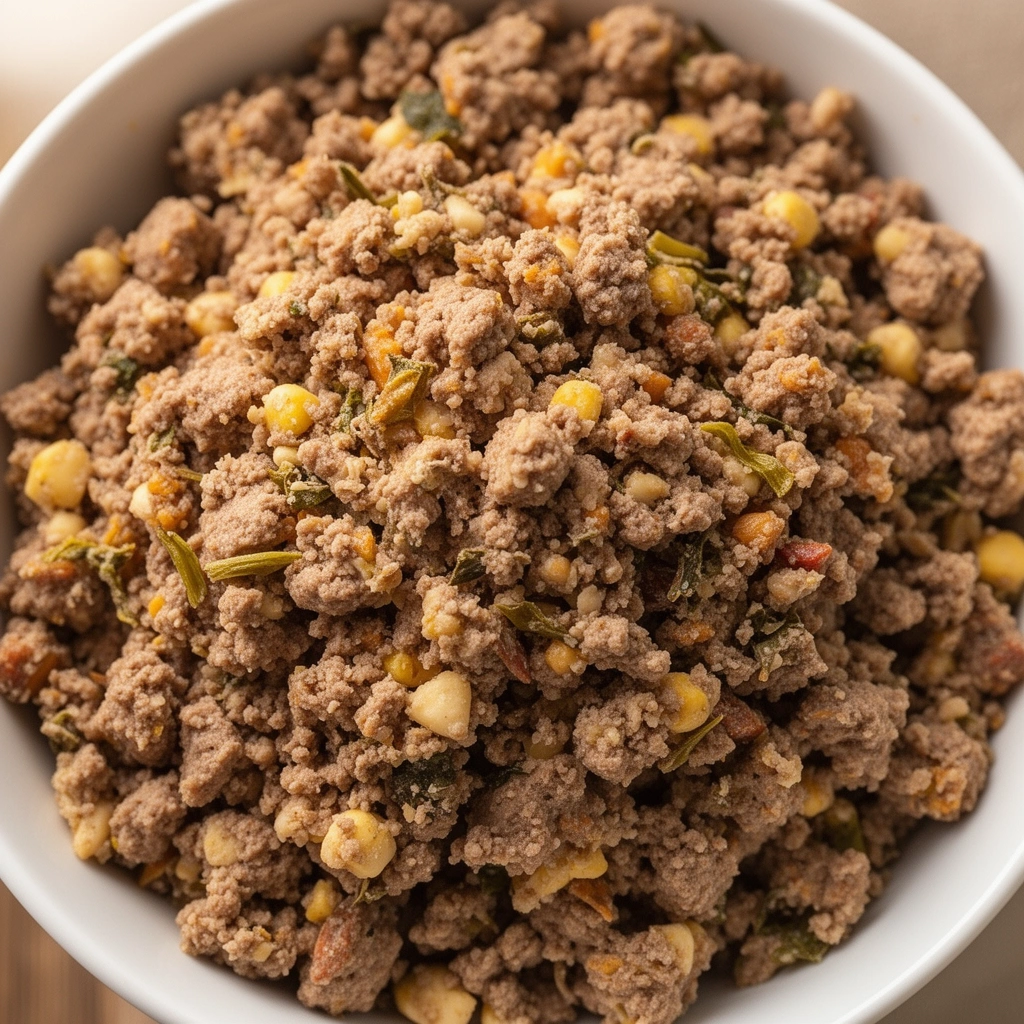
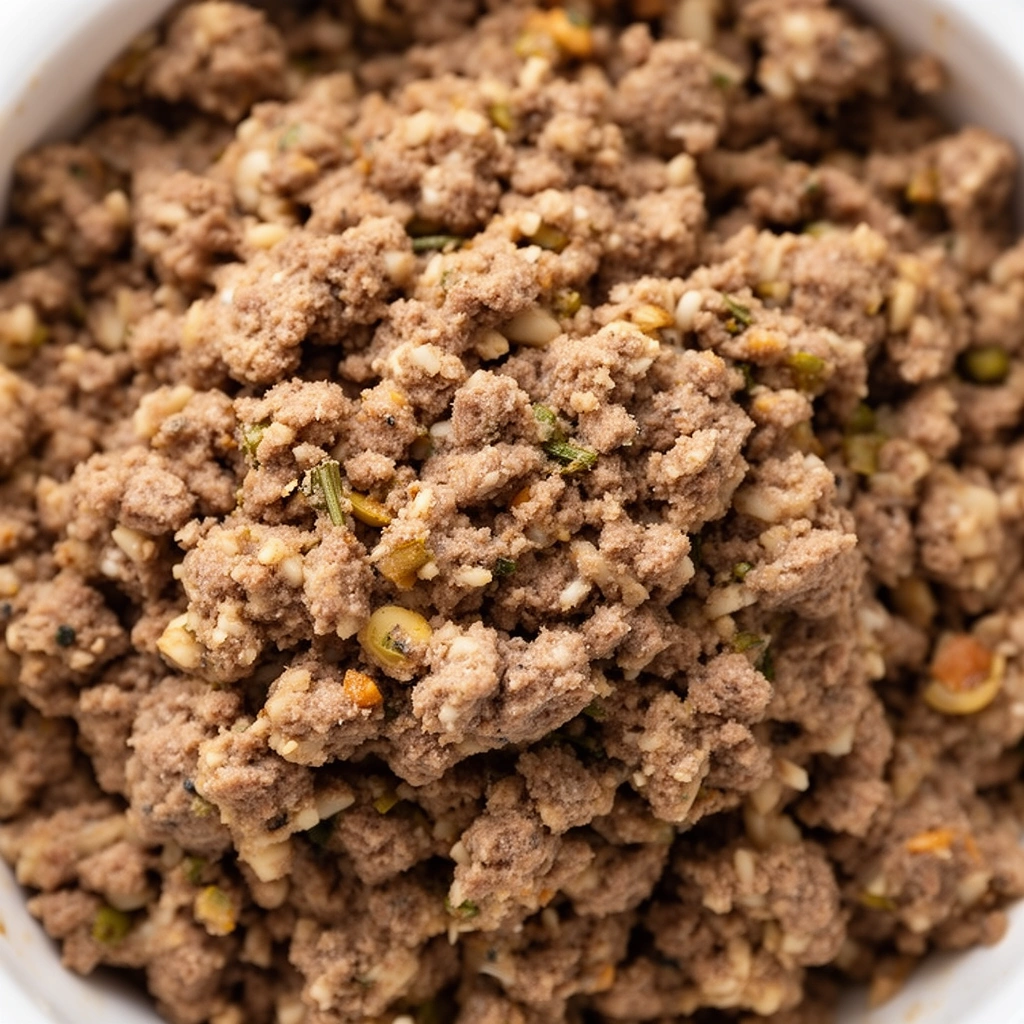
Let me introduce you to a simple, vet-approved-style recipe that covers the bases most senior dogs need: lean protein, digestible carbs, healthy fats, and a mineral boost.
This isn’t a fancy gourmet meal. It’s a practical, balanced bowl of food that respects an aging dog’s body.
Key Ingredients and What They Do
Lean ground turkey or chicken — Provides high-quality, easy-to-digest protein without excess fat that can strain an older digestive system.
Sweet potato — A gentle carbohydrate source packed with fiber, which helps regulate digestion, something many senior dogs struggle with.
Pumpkin puree — Supports gut health and firms up stool naturally; a favorite trick among dog owners dealing with sensitive senior tummies.
Carrots — Loaded with beta-carotene and low in calories, great for weight management in less active seniors.
Fish oil — Supplies omega-3 fatty acids that reduce joint inflammation and support brain function, which can decline with age.
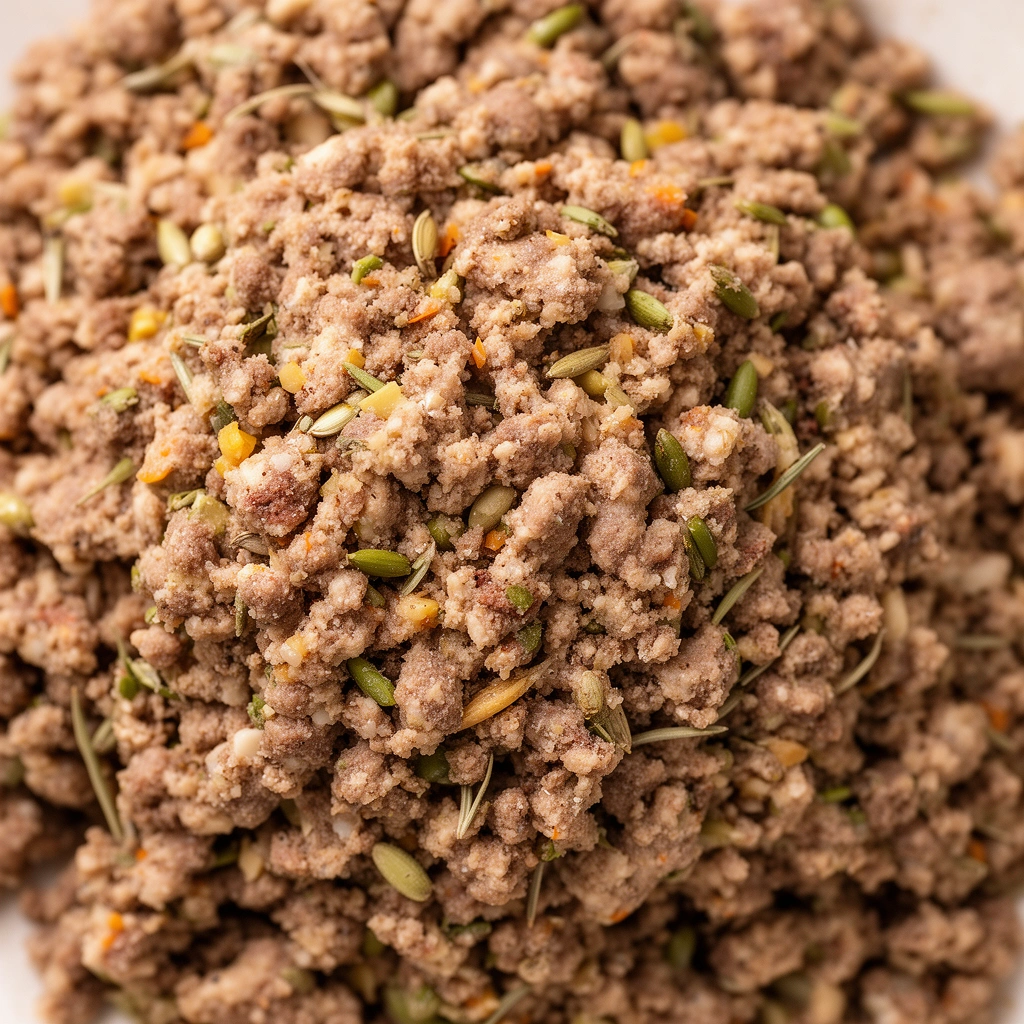
Eggs — A complete protein source with all essential amino acids, plus they’re soft and easy to chew.
Calcium source (like eggshell powder or a vet-approved supplement) — Homemade diets often lack proper calcium-to-phosphorus ratios, so this step is non-negotiable.
Step-by-Step: How to Make Homemade Food for Senior Dogs
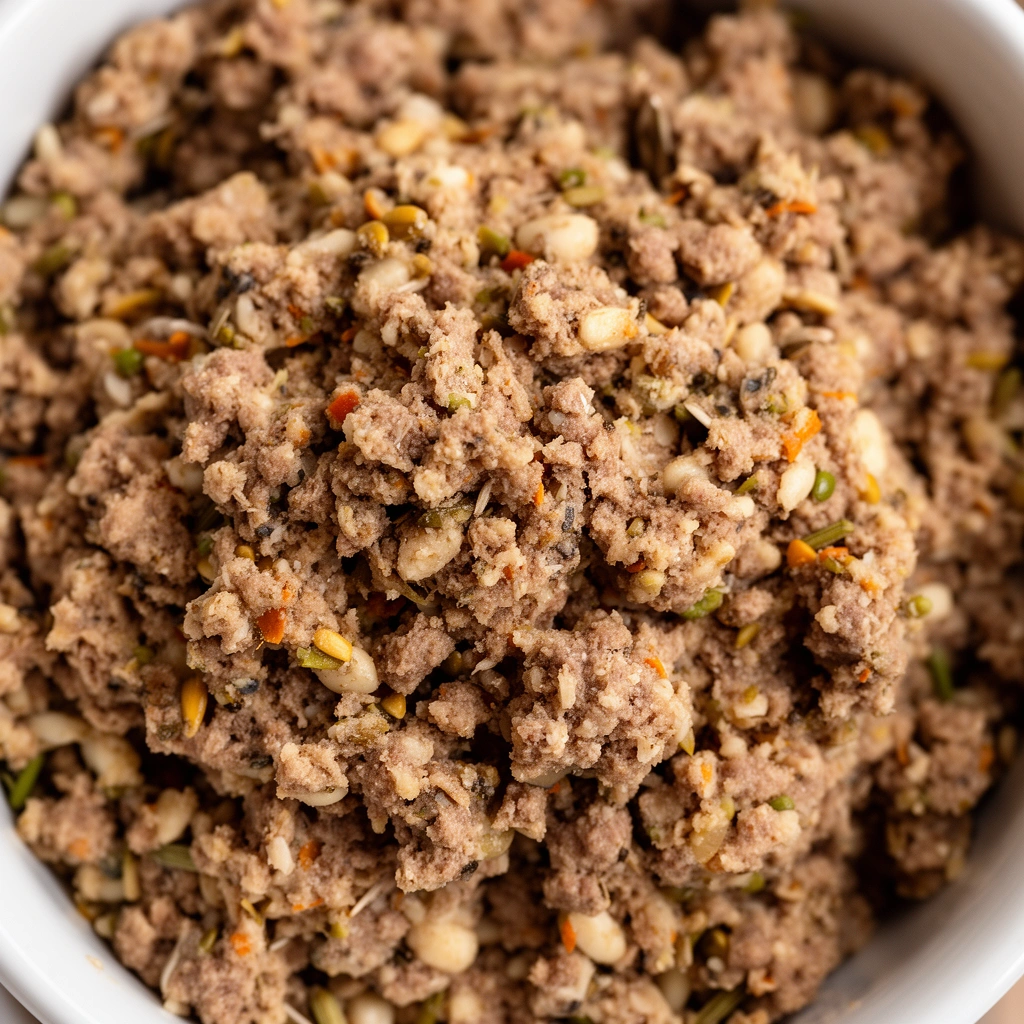
Here’s exactly how I put this meal together at home. It takes about 30 minutes, and you can batch cook for the week.
- Boil or bake 1 pound of lean ground turkey or chicken until fully cooked. Drain excess fat.
- Peel and dice two medium sweet potatoes. Steam or boil until soft enough to mash.
- Add half a cup of plain pumpkin puree (not the spiced pie filling) to the cooked sweet potato.
- Shred or dice two medium carrots and steam until tender.
- Scramble or hard-boil two eggs and chop them into small, manageable pieces.
- Mix the protein, sweet potato, pumpkin, carrots, and eggs together in a large bowl.
- Stir in one teaspoon of fish oil per pound of food for omega-3 benefits.
- Add a calcium supplement or eggshell powder according to your vet’s recommended dosage.
- Let the mixture cool completely before serving or storing.
- Portion into containers and refrigerate for up to four days, or freeze for longer storage.
That’s it. No complicated techniques, no rare ingredients. Just real food, cooked simply.
How Much Should You Feed?
This part trips up a lot of dog owners. Senior dogs generally need fewer calories than younger adults, but that number depends heavily on activity level, breed, and any existing health conditions.
- A general starting point is 20-25 calories per pound of body weight for less active seniors.
- Dogs with arthritis or mobility issues may need less due to reduced movement.
- Working or highly active senior dogs might need slightly more to maintain muscle mass.
- Always check with your vet before finalizing portion sizes, especially if your dog has kidney disease, diabetes, or heart conditions.
I learned the hard way that guessing portions can lead to unwanted weight gain, which puts even more strain on aging joints.
Tips for Success
Getting this right isn’t just about following a recipe. Here’s what actually made a difference for me.
- Introduce homemade food gradually over 7-10 days to avoid digestive upset.
- Always consult your vet before switching your senior dog’s diet, especially if they have existing health issues.
- Rotate protein sources occasionally to provide varied amino acid profiles.
- Keep a food journal to track how your dog reacts to specific ingredients.
- Invest in a kitchen scale for accurate portioning rather than eyeballing measurements.
- Consider adding a joint supplement like glucosamine if your vet approves.
- Store food properly and never leave homemade meals out for more than two hours.
Common Mistakes and How to Avoid Them
I’ve made a few of these myself, so let me save you the trouble.
Skipping the calcium supplement — Homemade meat-and-veggie diets are naturally low in calcium relative to phosphorus. Without supplementation, this imbalance can cause serious bone issues over time. Always add a proper calcium source.
Feeding too much fat — It’s tempting to use fattier cuts for flavor, but excess fat can trigger pancreatitis, especially in older dogs. Stick to lean meats and trim visible fat.
Ignoring portion control — Homemade food feels “healthier,” so owners often overfeed. Weigh portions and adjust based on your dog’s body condition, not just the bowl size.
Using seasonings or onions/garlic — These are toxic to dogs. Keep the recipe plain and simple; your dog doesn’t need flavoring the way we do.
Not rotating proteins — Feeding the same protein source for months can lead to nutrient gaps. Mixing things up occasionally helps cover more nutritional ground.
Forgetting texture changes — If your senior dog has dental problems, chunky pieces might be painful. Mash or blend the mixture for dogs with limited chewing ability.
Variations You Can Try
Not every senior dog has the same needs, so here are a few tweaks depending on specific health concerns.
For kidney support — Reduce protein slightly and swap in low-phosphorus vegetables like green beans or cauliflower instead of some of the meat.
For weight management — Increase the ratio of vegetables to protein and skip the added fish oil calories, replacing it with a smaller dose or omega-3 capsule instead.
For dogs with diabetes — Replace sweet potato with a lower glycemic option like steamed broccoli or zucchini, and consult your vet about carbohydrate levels.
For picky eaters — Add a small amount of low-sodium chicken broth to enhance aroma and encourage appetite, which often declines in older dogs.
For dogs with allergies — Swap turkey or chicken for a novel protein like duck or rabbit if your dog shows sensitivity to common meats.
Wrapping It Up
Cooking homemade dog food for senior dogs isn’t complicated once you understand what their aging bodies actually need. It comes down to lean protein, digestible carbs, healthy fats, and the right minerals, balanced carefully and served consistently.
I won’t pretend this replaces professional veterinary advice. It doesn’t. But pairing a good vet checkup with thoughtful homemade meals can genuinely improve your senior dog’s comfort, energy, and quality of life in their golden years. Give it a try, watch how your dog responds, and adjust as you go. That’s really all homemade dog food for senior dogs is about: paying attention and caring enough to get it right.