Homemade Dog Treats Without Peanut Butter: A Complete Guide for Pup Parents
Ever wonder what you’ll bake for your dog when peanut butter just isn’t an option? Maybe your furry friend has an allergy, or maybe you’re simply out of the jar and don’t want to make a store run. Either way, homemade dog treats without peanut butter are easier to whip up than you might think, and I’m going to walk you through everything you need to know.
I’ve spent years experimenting with dog-safe recipes, and let me tell you, peanut butter isn’t the only ingredient that makes treats irresistible to dogs. There’s a whole world of flavors out there waiting to be discovered. Some dogs actually have peanut allergies (yes, that’s a real thing), and others just don’t care for the taste. Either way, you’re in the right place.
Why Skip Peanut Butter Anyway?
Before we dive into recipes, let’s talk about why someone might want peanut butter-free treats in the first place.
Some dogs show sensitivity to legumes, and peanuts fall into that category. Other times, owners want to avoid the added sugars and preservatives found in many commercial peanut butter brands. Xylitol, a sweetener toxic to dogs, sometimes sneaks into peanut butter products too. That’s honestly terrifying if you don’t check labels carefully.
There’s also the simple fact that variety matters. Dogs, like humans, can get bored eating the same flavor over and over. Switching things up keeps mealtime exciting and gives you a chance to sneak in different nutrients.
Key Terms You Should Know
Before jumping into the kitchen, let’s clear up some terminology you’ll bump into throughout this guide.
Grain-free
: Treats made without wheat, corn, rice, or other grains, often used for dogs with grain sensitivities.
Binder
: An ingredient (like eggs or pumpkin puree) that holds the dough together so it doesn’t crumble apart.
Dehydrating
: A low-heat cooking method that removes moisture, creating chewy or crunchy treats with a longer shelf life.
Xylitol
: A sugar substitute that’s highly toxic to dogs, even in small amounts. Always double-check ingredient labels.
Rendered fat
: Fat drippings from cooked meat, sometimes used to add flavor and moisture to homemade treats.

Ingredients That Work Great Instead of Peanut Butter
Here’s where things get fun. You’ve got plenty of options that dogs go crazy for, minus the peanuts.
- Pumpkin puree – naturally sweet, packed with fiber, and gentle on tummies
- Mashed banana – adds natural sweetness and potassium
- Plain Greek yogurt – full of probiotics and protein
- Shredded chicken or beef – a savory option dogs adore
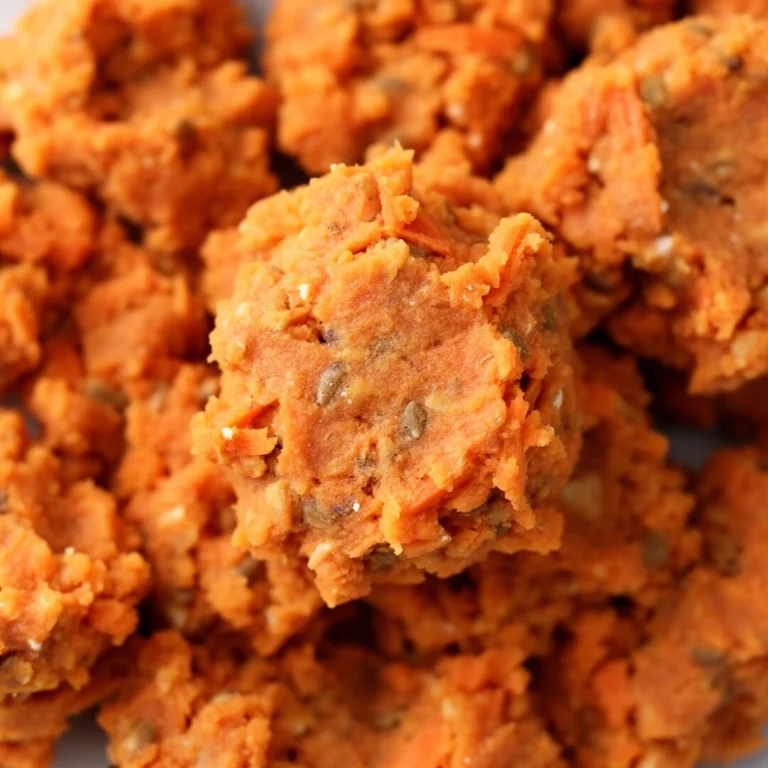
- Sweet potato – rich in vitamins and has a satisfying texture
- Applesauce (unsweetened) – gives a light, fruity flavor
- Cottage cheese – another protein-rich, creamy substitute
Any of these can replace peanut butter in most recipes, and honestly, some dogs prefer them over the classic peanut flavor.
Let’s Make Pumpkin and Chicken Dog Treats
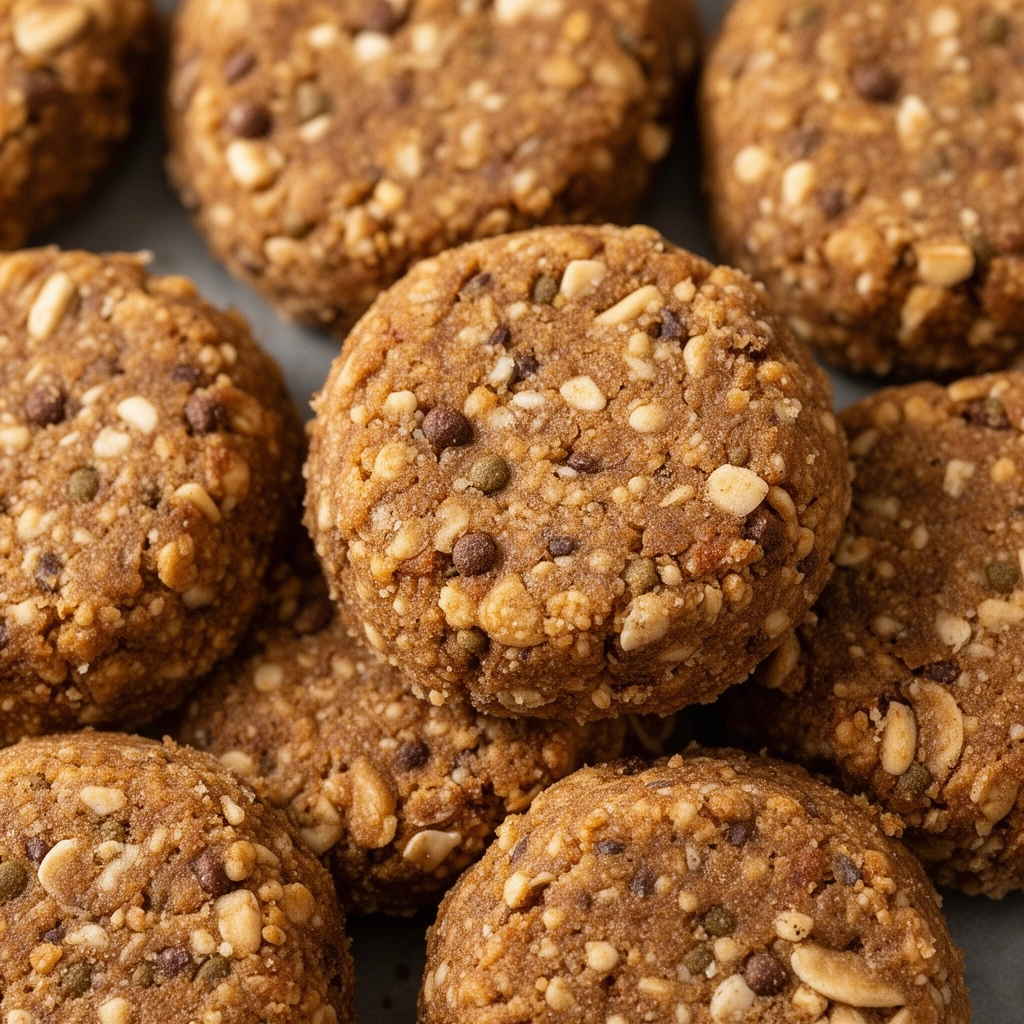
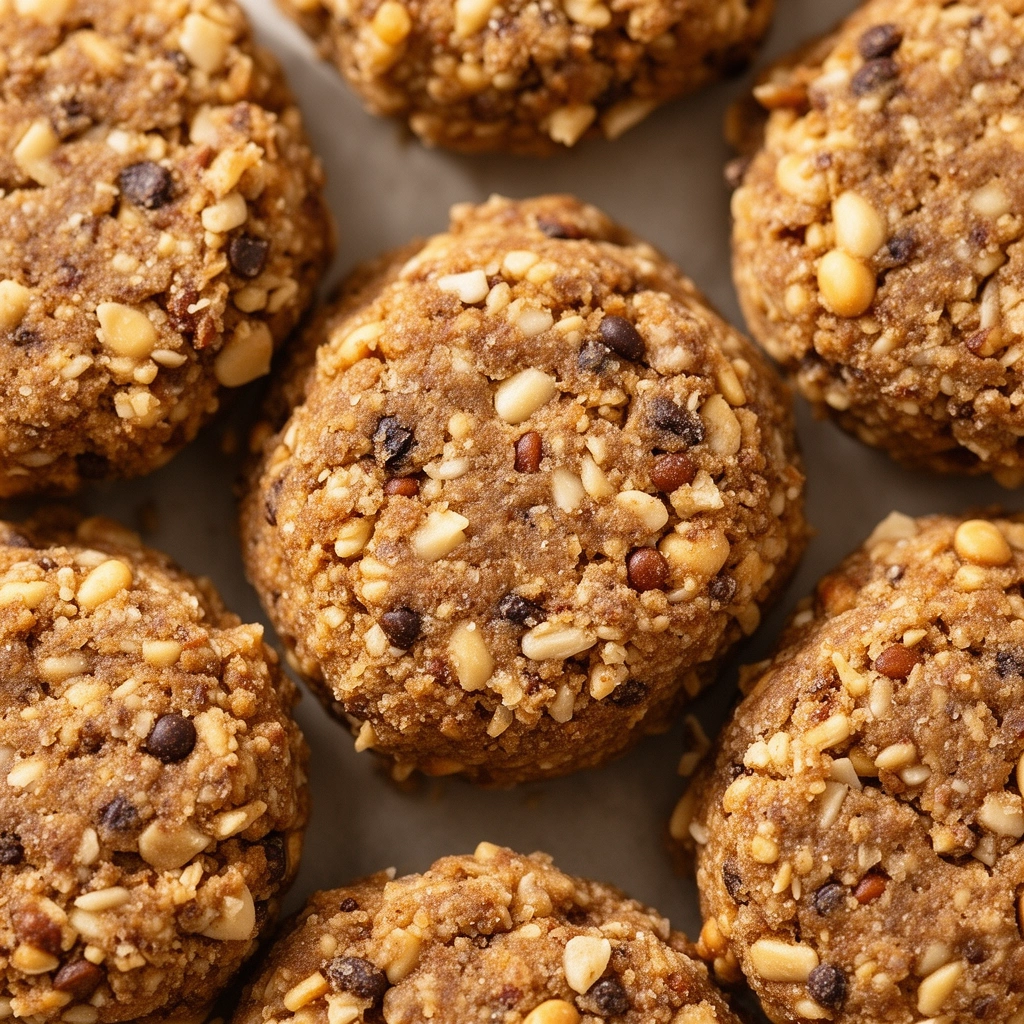
Now for the main event. I’m sharing my go-to recipe that skips peanut butter entirely but still delivers that soft, chewy bite dogs beg for.
What You’ll Need
- 1 cup pumpkin puree (plain, not the pie filling kind)
- 1 cup shredded cooked chicken
- 2 cups whole wheat flour (or oat flour for grain-free)
- 1 egg
- 2 tablespoons water (add more if the dough feels dry)
Step-by-Step Instructions
- Preheat your oven to 350°F (175°C) and line a baking sheet with parchment paper.
- In a large bowl, mix the pumpkin puree, shredded chicken, and egg until combined.
- Slowly add the flour, stirring as you go. The dough should feel firm but not crumbly.
- Add water a little at a time if the mixture feels too dry to roll out.
- Turn the dough onto a floured surface and roll it to about ¼ inch thickness.
- Use a cookie cutter (bone-shaped is fun, but any shape works) to cut out treats.
- Place treats on the baking sheet, leaving a little space between each one.
- Bake for 20-25 minutes, or until the edges turn golden brown.
- Let the treats cool completely before storing or serving. This step matters more than people realize because warm treats can go soft and mushy.
That’s it. You’ve got a batch of treats your dog will practically dance for.
Tips for Success
Getting the texture and flavor just right takes a little practice, so here are some pointers I’ve picked up along the way.
- Always use plain, unsweetened ingredients. Flavored yogurt or spiced pumpkin can contain additives that upset a dog’s stomach.
- Roll the dough evenly so treats bake at the same rate. Uneven thickness means some pieces burn while others stay raw.
- Store treats in an airtight container. Refrigerate if you used dairy or meat, since these spoil faster than plain flour-based treats.
- Freeze extra batches. Homemade treats without preservatives don’t last as long as store-bought ones, so freezing keeps them fresh for weeks.
- Test a small piece before feeding a full treat, especially the first time you try a new recipe. This helps you catch any digestive reactions early.
Common Mistakes and How to Avoid Them
I’ve made my fair share of kitchen flops, so let me save you the trouble.
Mistake: Using flavored or sweetened ingredients
Many yogurts and applesauces contain added sugar or artificial sweeteners. Always check the label for xylitol specifically, since it’s deadly to dogs even in tiny amounts.
Mistake: Skipping the cooling step
Treats fresh from the oven feel soft and pliable, but they firm up as they cool. Cutting corners here often leads to a mushy, crumbly mess.
Mistake: Overloading with fillers
Some folks add too much flour trying to fix a wet dough, which results in bland, cardboard-like treats. Instead, add small amounts of liquid or dry ingredients gradually.
Mistake: Not adjusting for allergies
Just because a recipe skips peanut butter doesn’t mean it’s automatically safe. Chicken, dairy, and wheat are also common allergens. Watch your dog closely, especially the first few times you introduce something new.
Mistake: Improper storage
Leaving treats out on the counter in a humid kitchen invites mold faster than you’d expect. Always store in a cool, dry place, or the fridge if the recipe includes moist ingredients.
Tasty Variations to Try
Once you’ve nailed the basic recipe, it’s easy to switch things up based on what your dog loves most.
- Sweet Potato and Oat Treats: Swap pumpkin for mashed sweet potato and use oat flour instead of wheat for a grain-free option.
- Beef and Cheese Bites: Replace chicken with ground beef and add a handful of shredded cheddar for extra flavor.
- Banana Yogurt Drops: Skip the meat entirely and mix mashed banana with Greek yogurt and oat flour for a sweeter, softer treat.
- Apple Cinnamon Crisps: Use unsweetened applesauce with a dash of cinnamon (never nutmeg, which is toxic to dogs) for a fall-inspired snack.
- Dehydrated Chicken Jerky: Slice raw chicken breast thin, season lightly with nothing but water, and dehydrate for hours until chewy. No baking required, and dogs go wild for it.
Each variation lets you customize based on your dog’s taste preferences or dietary restrictions, so don’t be afraid to experiment.
Nutritional Considerations Worth Remembering
Homemade treats shouldn’t replace a balanced diet, but they can offer real nutritional perks when made thoughtfully.
- Protein sources like chicken and beef support muscle health and keep dogs feeling satisfied.
- Pumpkin and sweet potato provide fiber, which aids digestion and can even help with mild constipation or diarrhea.
- Greek yogurt and cottage cheese introduce probiotics, supporting gut health.
- Portion control still matters. Treats should make up no more than 10% of a dog’s daily calorie intake, according to most veterinary guidelines.
Keeping these points in mind helps you bake treats that taste great and actually contribute something positive to your dog’s overall wellbeing.
Wrapping It All Up
Making homemade dog treats without peanut butter isn’t complicated once you know which ingredients to reach for. Pumpkin, chicken, yogurt, and sweet potato all bring something special to the table, giving your pup plenty of variety without any peanut-related worries. Whether you stick with my chicken and pumpkin recipe or branch out into one of the tasty variations, you’re giving your dog something made with love, minus the guesswork over questionable additives.
So go ahead, grab those ingredients sitting in your pantry, and start baking. Your dog’s tail is already wagging, and honestly, watching them enjoy a treat you made yourself feels pretty great too. That’s really the whole point of homemade dog treats without peanut butter: simple ingredients, happy pups, and zero peanut butter required.