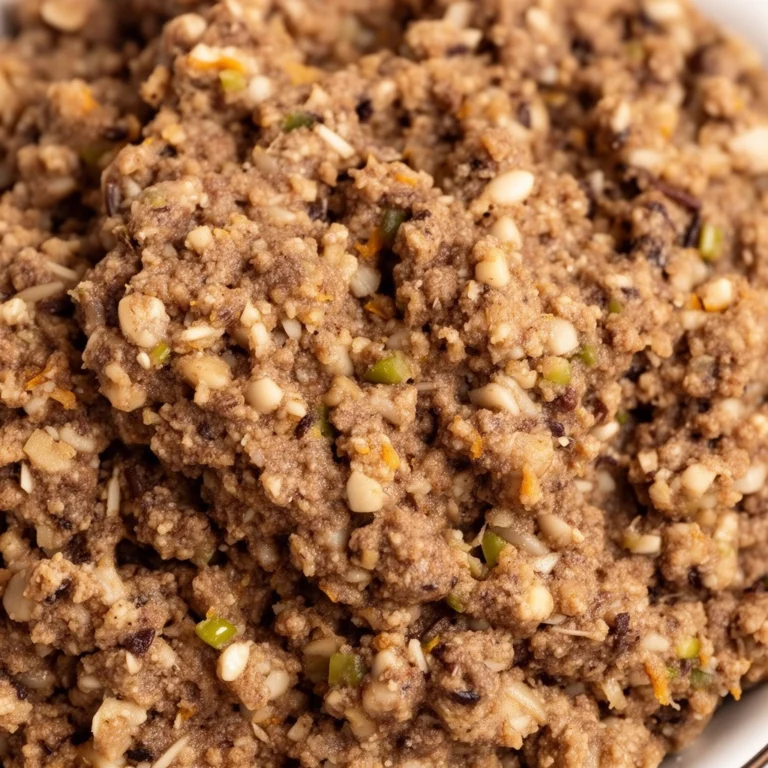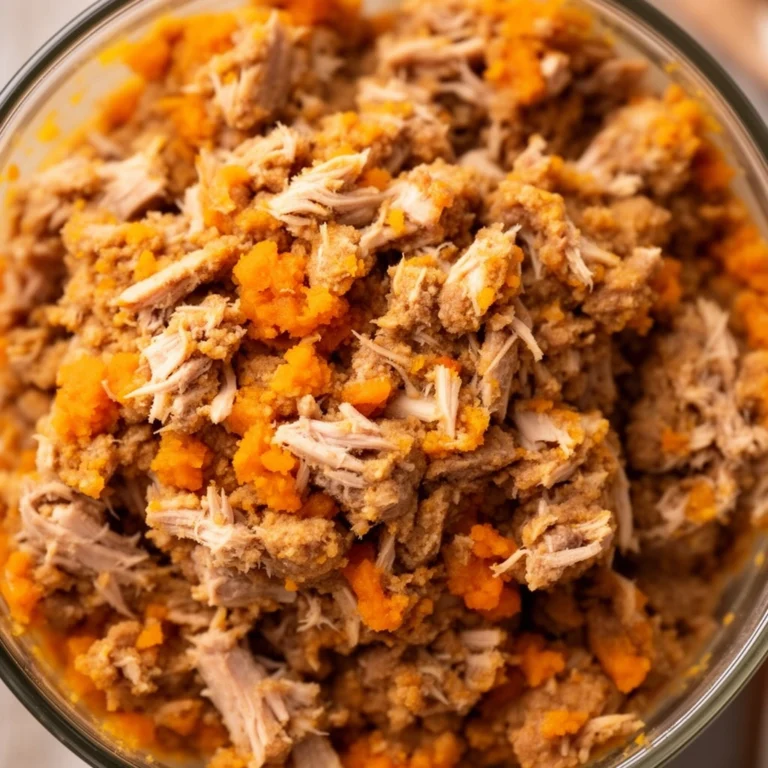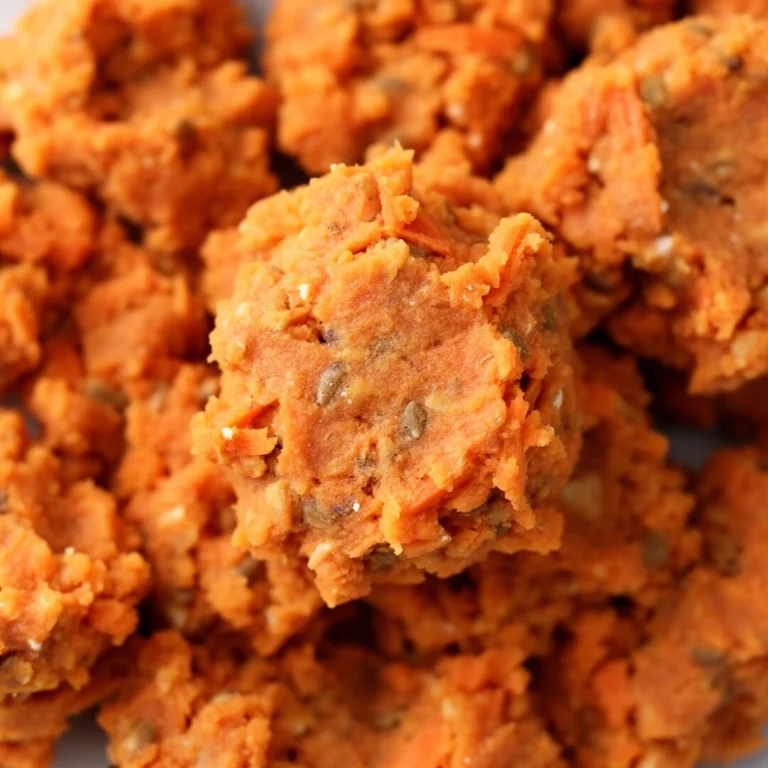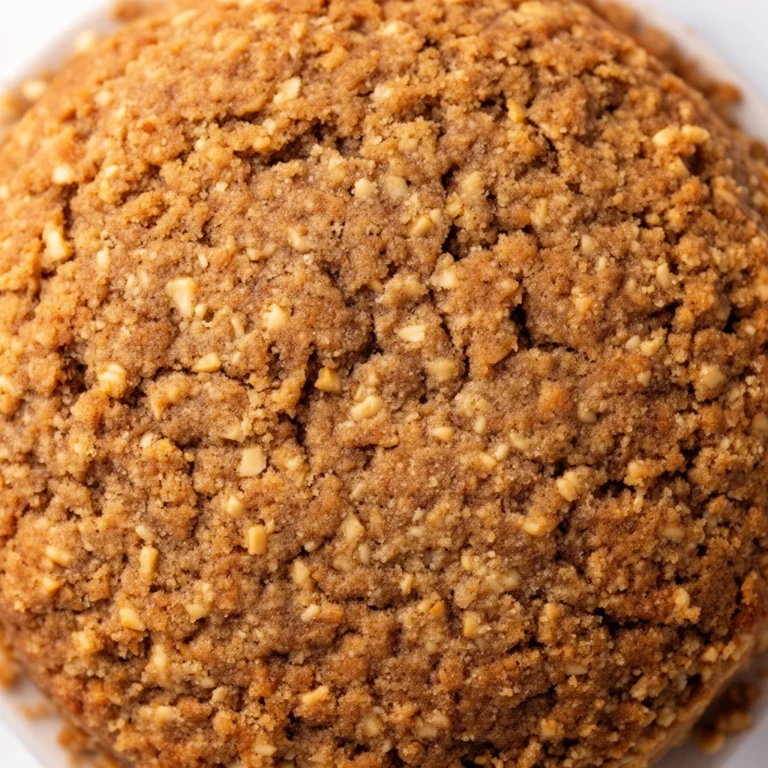
Homemade Apple Carrot Dog Treats: A Simple Recipe Your Pup Will Beg For
Ever caught your dog staring at you while you snack on an apple, tail wagging like crazy? I have. That’s exactly why I started making homemade apple carrot dog treats in my own kitchen. They’re healthy, easy to whip up, and my dog goes absolutely nuts for them.
If you’re tired of store-bought treats packed with weird preservatives and mystery ingredients, you’re in the right place. Today I’m walking you through everything you need to know about making these crunchy, wholesome snacks at home.
What Exactly Are Apple Carrot Dog Treats?
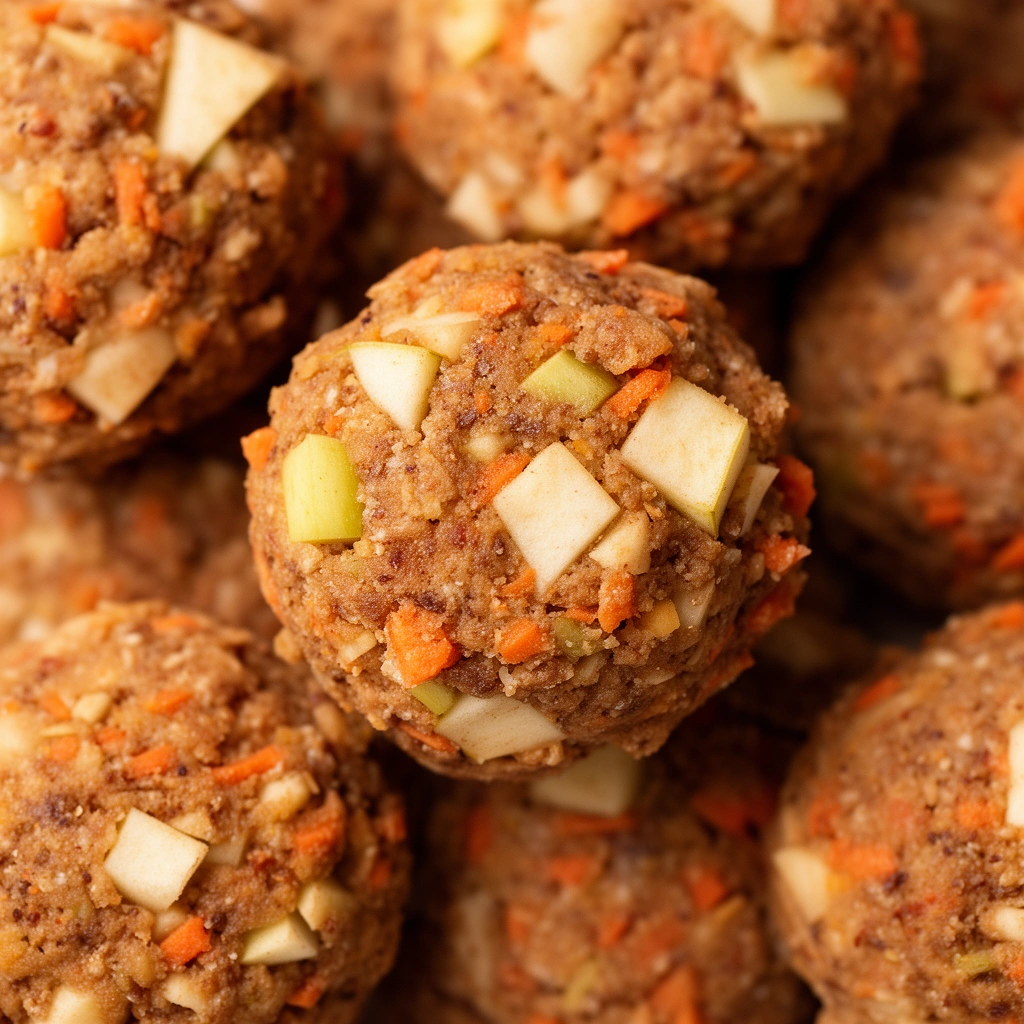
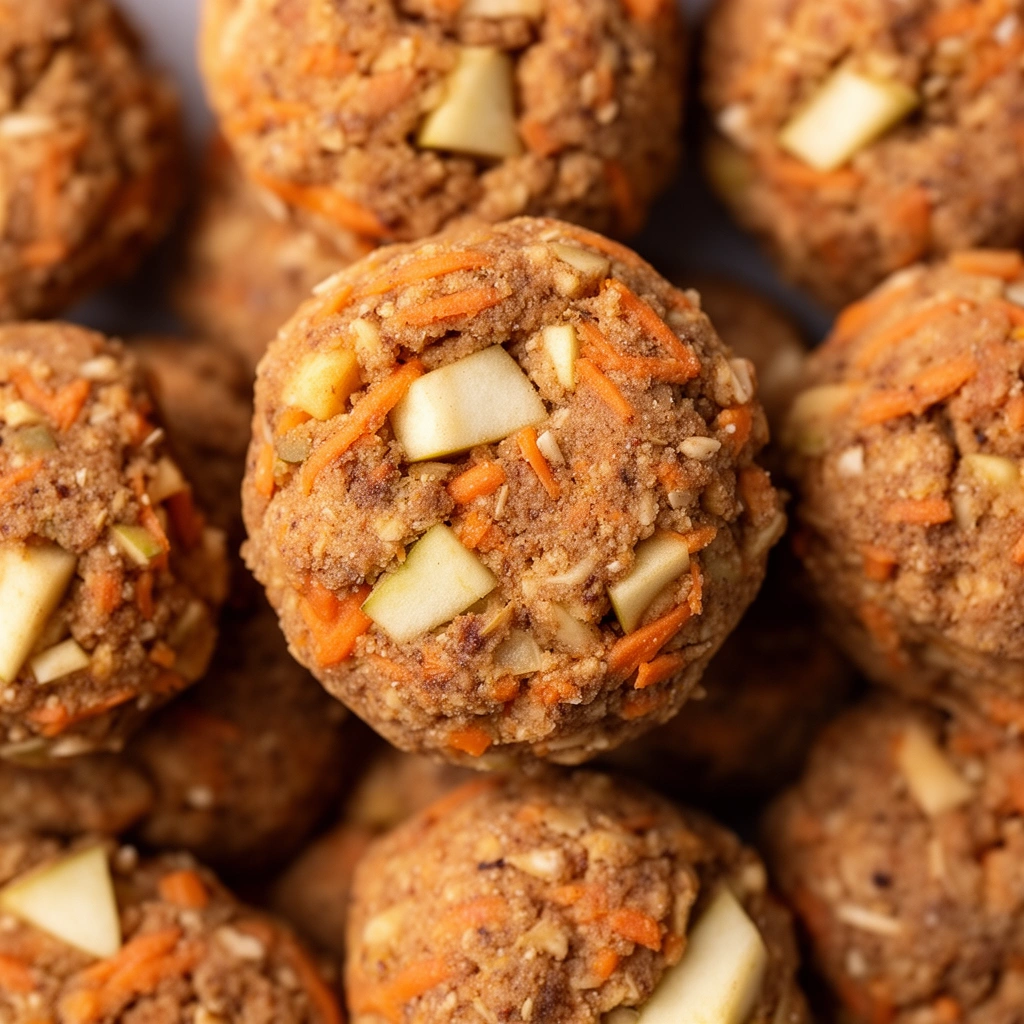
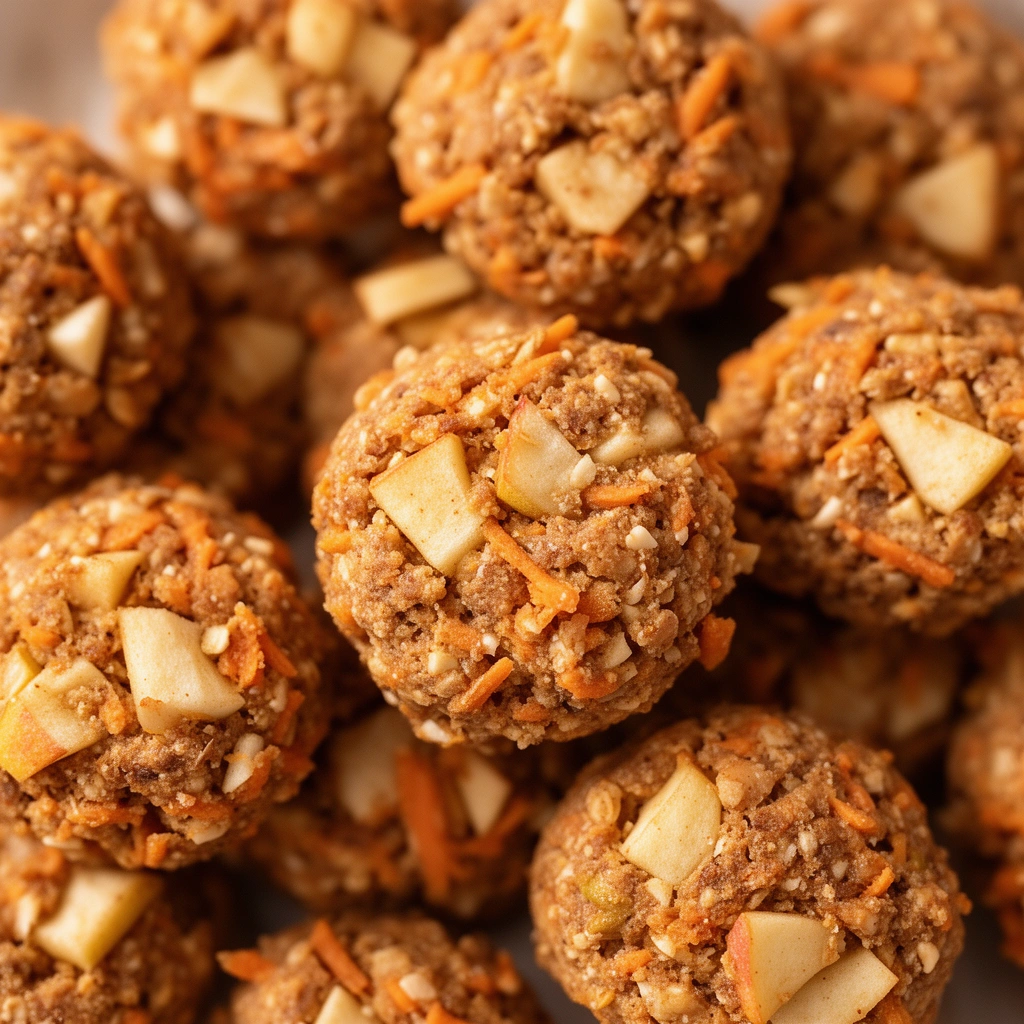
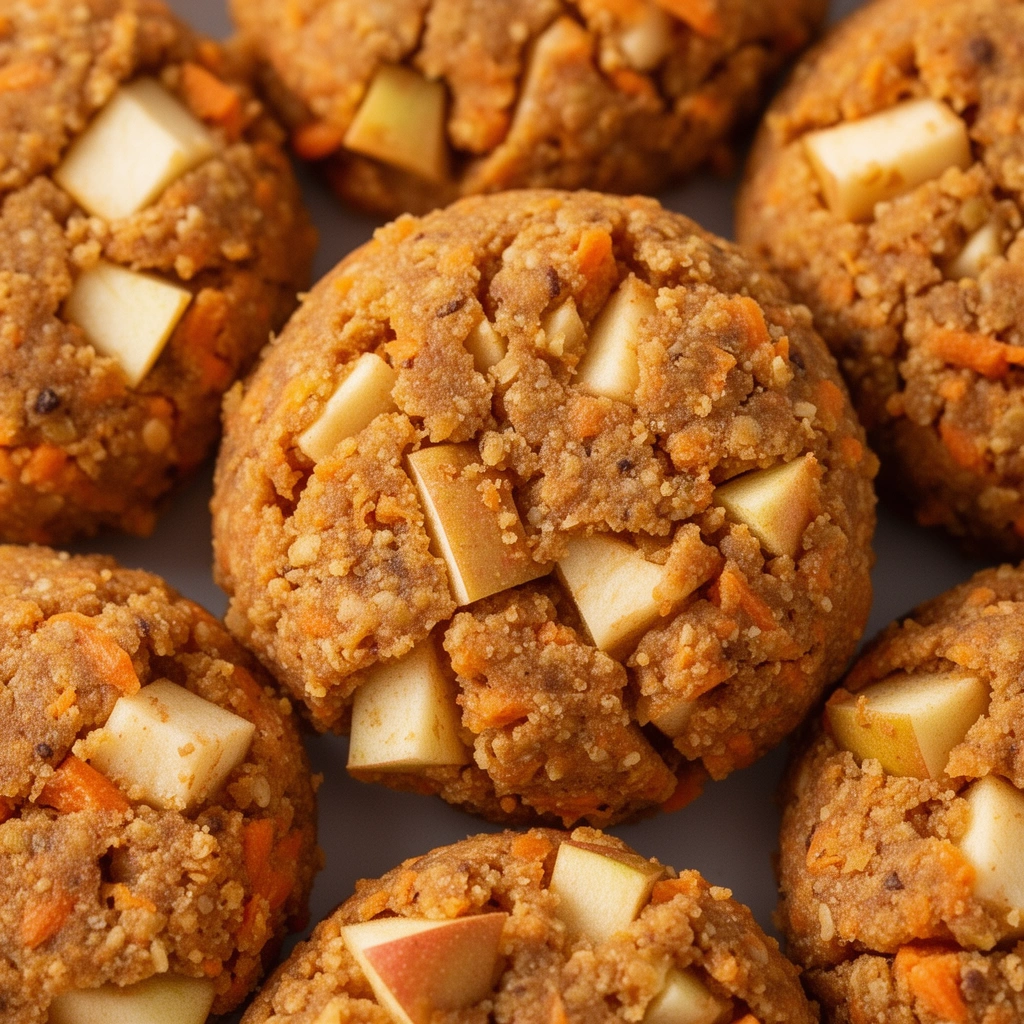
So what’s the big deal about apple carrot dog treats anyway? They’re basically baked biscuits made from grated apples, shredded carrots, and a few pantry staples. Think of them as the doggy version of a healthy granola bar.
These treats pack a serious nutritional punch. Apples bring natural sweetness and fiber. Carrots add beta-carotene and crunch. Together, they create a treat that’s not just tasty but actually good for your furry friend.
I love this recipe because it uses ingredients you probably already have at home. No fancy trips to specialty pet stores required. Plus, you control exactly what goes into each bite.
Here’s the thing most articles skip: the why behind this combo. Apples support digestion. Carrots boost eye health and immune function. When you bake them together, you get a treat that tastes great and does your dog some real good.
Key Terms You Should Know
Before we jump into the kitchen, let’s clear up some terms that pop up in dog treat recipes.
Xylitol
: A sugar substitute found in many human foods. Extremely toxic to dogs, even in tiny amounts. Always double-check apple products for this hidden danger.
Rolled Oats
: Whole oat grains that have been steamed and flattened. Great binding agent and adds fiber without triggering grain sensitivities in most dogs.
Coconut Oil
: A healthy fat that adds shine to your dog’s coat and helps bind ingredients together. Use it sparingly since it’s calorie-dense.
Dehydration
: The process of removing moisture from treats to extend shelf life. Baking treats longer at lower heat achieves this without burning them.
Grain-Free
: Recipes that skip wheat, corn, and other grains. Useful for dogs with specific allergies, though most dogs handle grains just fine.
Knowing these terms helps you tweak recipes safely and understand why certain ingredients matter.
What You’ll Need
Let’s gather our ingredients. This list keeps things simple and affordable.
- 2 cups whole wheat flour (or oat flour for grain-sensitive pups)
- 1 cup grated carrots (packed down when measuring)
- 1 cup grated apple, skin removed, core discarded
- 2 large eggs
- 1/4 cup unsweetened applesauce
- 2 tablespoons coconut oil, melted
- 1 teaspoon cinnamon (optional but adds nice flavor)
A quick note here: never use apple seeds or the core. They contain trace amounts of cyanide compounds that build up over time. Not worth the risk.
Tools You’ll Need
- Large mixing bowl
- Box grater or food processor
- Baking sheet
- Parchment paper or silicone mat
- Cookie cutter (bone shape is fun, but any shape works)
- Rolling pin
Step-by-Step: How to Make Apple Carrot Dog Treats
Alright, let’s get baking. This process takes about 15 minutes of prep and 25-30 minutes in the oven.
- Preheat your oven to 350°F (175°C). Line your baking sheet with parchment paper.
- Wash and peel your apple. Remove the core completely, then grate the apple flesh using a box grater.
- Wash your carrot (no need to peel) and grate it the same way.
- In your large bowl, crack both eggs and whisk them lightly.
- Add the grated carrot, grated apple, applesauce, and melted coconut oil to the eggs. Stir everything together.
- Sprinkle in the cinnamon if you’re using it. Mix well.
- Gradually add the flour, one cup at a time. Stir until a thick dough forms. It should feel slightly sticky but hold together.
- Turn the dough onto a lightly floured surface. Roll it out to about 1/4 inch thickness.
- Use your cookie cutter to cut shapes. Place them on your prepared baking sheet with a little space between each one.
- Bake for 20-25 minutes until edges turn golden brown.
- Turn off the oven but leave the treats inside for another 10 minutes. This extra time helps them crisp up nicely.
- Remove and let cool completely on a wire rack before serving or storing.
That’s it. Seriously, that’s the whole process. No complicated techniques, no rare ingredients.
Tips for Success
Want your treats to turn out perfect every single time? Keep these pointers in mind.
- Squeeze excess moisture from grated apples and carrots using a clean kitchen towel. Too much liquid makes soggy dough that won’t hold shape.
- Roll dough evenly. Uneven thickness means some treats burn while others stay underbaked.
- Store finished treats in an airtight container. They’ll stay fresh for about a week at room temperature, or up to three months in the freezer.
- Test one treat before storing the whole batch. Break it in half and check for any doughy centers.
- Size treats based on your dog’s breed. Tiny Chihuahuas need smaller pieces than a Great Dane.
- Let treats cool completely before storing. Warm treats trapped in containers create moisture, which leads to mold.
Common Mistakes and How to Avoid Them
I’ve made plenty of blunders over the years testing dog treat recipes. Here’s what to watch for.
Mistake: Using apple seeds or cores
Many people forget seeds contain amygdalin, which converts to cyanide when digested. Always core and seed your apples completely before grating.
Mistake: Adding sugar or honey
Dogs don’t need added sweeteners. The natural sugars in apples and carrots provide plenty of sweetness on their own.
Mistake: Skipping the moisture squeeze
Grated fruits and veggies hold tons of water. Skip wringing them out, and you’ll end up with dough that won’t hold its shape or bakes unevenly.
Mistake: Overbaking
Leaving treats in too long dries them out completely, making them rock-hard. Watch your oven closely during the last five minutes.
Mistake: Using the wrong flour
Some dogs have wheat sensitivities. If your pup shows signs of itching or digestive upset, switch to oat flour or a grain-free alternative.
Mistake: Not checking for xylitol
If you’re using pre-made applesauce, always read labels carefully. Some brands sneak in this deadly sweetener.
Variations You Can Try
Once you’ve mastered the basic recipe, feel free to experiment. Here are some fun twists.
- Peanut Butter Apple Carrot Treats: Add two tablespoons of unsweetened, xylitol-free peanut butter to the wet ingredients for extra flavor dogs love.
- Pumpkin Apple Carrot Blend: Swap the applesauce for pumpkin puree. This works great for dogs needing extra fiber.
- Grain-Free Version: Replace wheat flour with a mix of oat flour and coconut flour for pups with grain sensitivities.
- Frozen Treats: Pour the raw dough into silicone molds and freeze instead of baking. Great for hot summer days.
- Herb-Infused Treats: Add a pinch of dried parsley for fresh breath benefits alongside the apple and carrot goodness.
- Sweet Potato Swap: Replace carrots with grated sweet potato for a different flavor profile and added vitamin A.
Each variation keeps the same easy baking process while giving your dog something new to enjoy.
Wrapping It Up
Making homemade apple carrot dog treats doesn’t require culinary school training or expensive equipment. Just simple ingredients, a bit of time, and love for your furry companion. You now know the exact steps, common pitfalls to dodge, and creative twists to keep things interesting.
Give this recipe a shot this weekend. Watch your dog’s face light up when that first crunchy, apple carrot dog treat hits their bowl. Trust me, once you see that reaction, you’ll never go back to store-bought again.