Halloween Dog Treats: The Ultimate Guide to Spooky, Safe Snacks Your Pup Will Love
Halloween dog treats aren’t just cute Instagram props—they’re a genuine way to include your furry friend in the spookiest holiday of the year. I’ve spent countless hours in my kitchen testing recipes, burning a few batches (oops), and figuring out exactly what makes a treat both safe and tail-wag-worthy. If you’ve ever wondered how to whip up something festive without accidentally poisoning your pup with chocolate or xylitol, you’re in the right place.
Most articles on this topic skip the boring-but-important stuff: ingredient safety, storage tips, and what to do when your dough turns into a sticky mess. I’m fixing that here. This guide covers everything from the actual baking process to the mistakes that ruin batches, plus a few creative twists you probably haven’t tried yet.
Why Homemade Halloween Treats Beat Store-Bought Options
Store shelves fill up with seasonal dog treats every October, but a lot of them contain fillers, artificial preservatives, or sugar content that dogs don’t need. Making treats at home gives you full control. You know exactly what’s going into your dog’s belly, and you can tweak recipes for allergies or sensitivities.
Plus, there’s something satisfying about pulling a tray of pumpkin-shaped biscuits out of the oven while your dog sits there staring at you like you’re a kitchen wizard. It’s a bonding activity disguised as baking.
Key Terms You Should Know Before Baking
Before jumping into the recipe, let’s clear up some terms that pop up constantly in dog treat recipes. Knowing these will save you from confusion later.
Xylitol
: A sugar substitute found in many human snacks and gums. It’s extremely toxic to dogs, even in tiny amounts. Never use it in dog treats.
Grain-Free
: Recipes that skip wheat, corn, rice, or oats, often used for dogs with grain sensitivities or allergies.
Binder
: An ingredient like egg or pumpkin puree that holds the dough together, similar to how flour and eggs work in human baking.
Dehydrating
: A slow-cooking method using low oven heat (or a dehydrator) to remove moisture, creating chewy or crunchy treats with longer shelf life.
Rotational Feeding
: Introducing treats in small amounts and switching up ingredients occasionally to prevent digestive upset or nutrient imbalance.
Ingredients You’ll Need for Pumpkin Ghost Treats
This recipe focuses on pumpkin because it’s fiber-rich, dog-safe, and screams “fall” the moment you open the can. Here’s what to gather:
- 2 cups whole wheat flour (or oat flour for grain-sensitive pups)
- 1 cup pure pumpkin puree (not pumpkin pie filling—that stuff has added sugar and spices that upset dog stomachs)
- 1 egg
- 2 tablespoons peanut butter (make sure it’s xylitol-free)
- 1 teaspoon cinnamon (optional, but adds a nice aroma)
- A splash of water, if needed to bring the dough together
Step-by-Step Process for Making Halloween Dog Treats
Here’s where I walk you through the actual baking process, step by step, no guesswork involved.
- Preheat your oven to 350°F (175°C) and line a baking sheet with parchment paper.
- In a large bowl, mix the pumpkin puree, egg, and peanut butter until smooth.
- Slowly add the flour, stirring as you go. The dough should feel firm but not crumbly.
- If the mixture feels too dry, add water one tablespoon at a time.
- Sprinkle a little flour on your countertop and roll the dough out to about ¼ inch thickness.
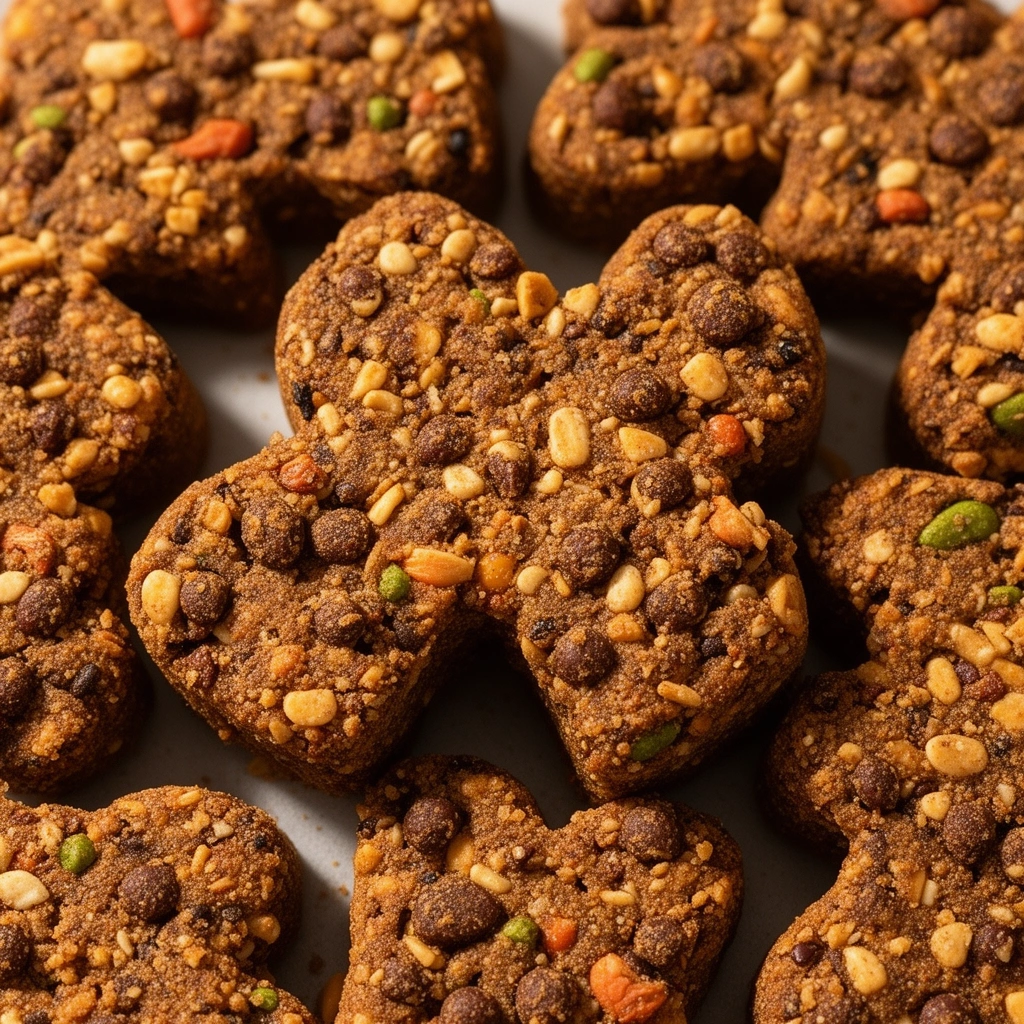
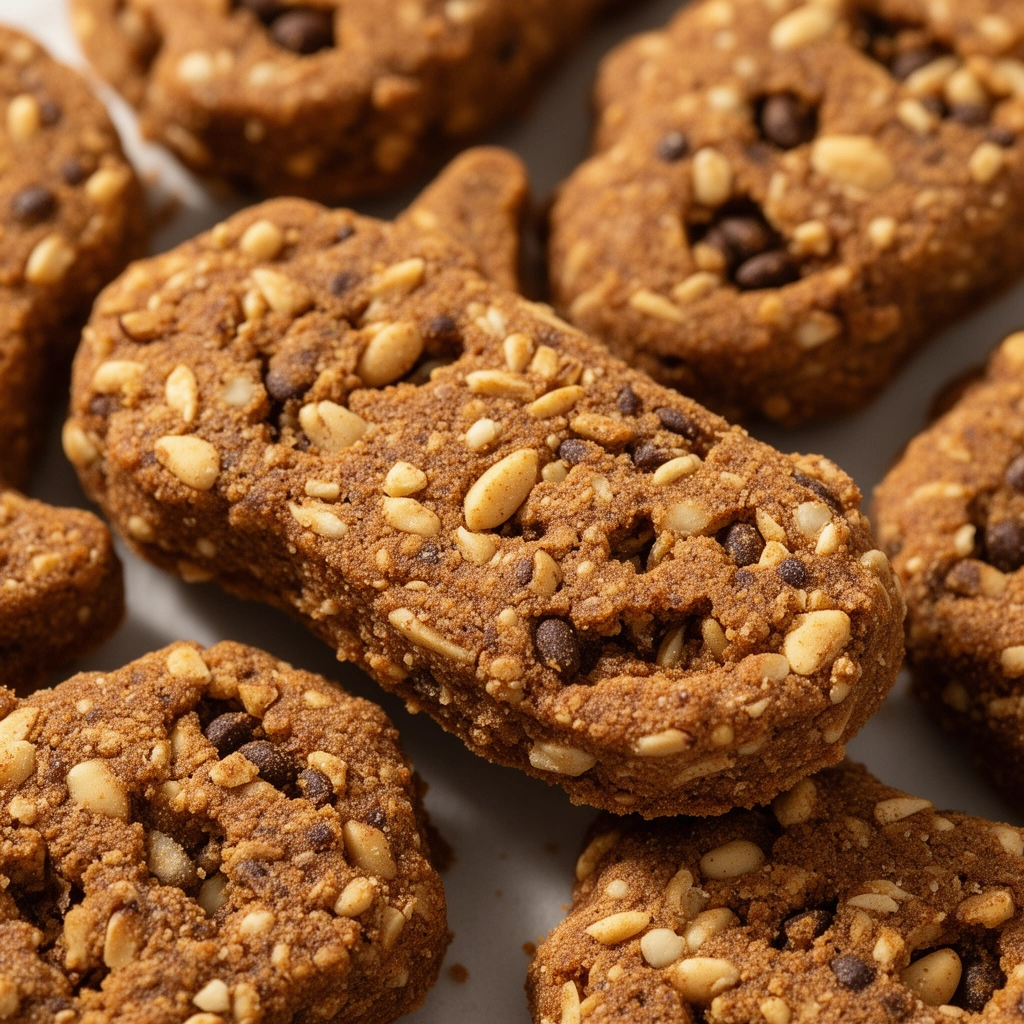
- Use Halloween-themed cookie cutters—ghosts, pumpkins, bats—to cut out shapes.
- Place the shapes on your prepared baking sheet, leaving space between each one.
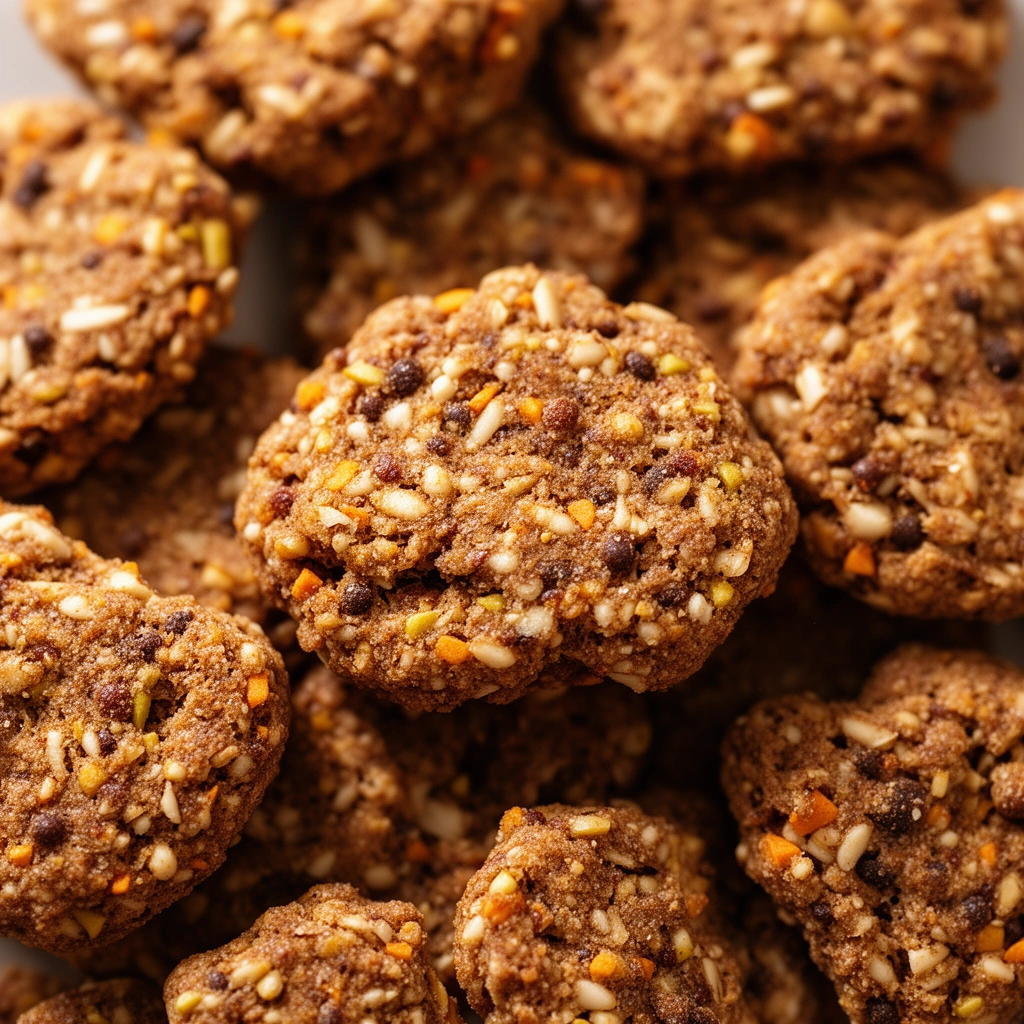
- Bake for 20-25 minutes, or until the edges turn golden brown.
- Let the treats cool completely on a wire rack before serving or storing.
That’s it. No fancy equipment needed, just an oven, a bowl, and maybe a little patience while your dog watches every move you make.
Tips for Success
I’ve made enough batches to know what separates a great tray of treats from a disappointing one. Keep these pointers in mind:
- Use parchment paper every time—treats stick to bare metal pans more than you’d expect.
- Roll the dough evenly. Uneven thickness means some pieces burn while others stay soft.
- Let treats cool fully before storing, otherwise trapped steam turns them mushy.
- Store finished treats in an airtight container in the fridge for up to a week, or freeze them for up to three months.
- Cut treats small if you have a small breed dog. Portion size matters more than people realize.
- Always double check ingredient labels, especially peanut butter, for hidden xylitol.
Common Mistakes and How to Avoid Them
Even simple recipes go sideways sometimes. Here’s what usually trips people up, and how to sidestep the problem.
Mistake: Using pumpkin pie filling instead of pure pumpkin puree.
This is probably the most common slip-up. Pie filling contains added sugars and spices like nutmeg, which isn’t great for dogs in large quantities. Always grab the can labeled “100% pumpkin.”
Mistake: Overbaking the treats.
Because these treats are small, they bake faster than regular cookies. Check them at the 20-minute mark instead of walking away for the full 25 minutes.
Mistake: Adding chocolate chips or candy for decoration.
I get it, Halloween treats feel incomplete without a little decoration. But chocolate is toxic to dogs, and most candy contains sugar or artificial sweeteners that don’t belong in pet food. Stick to dog-safe yogurt drizzle or a light dusting of cinnamon instead.
Mistake: Skipping the cooling step.
Treats fresh out of the oven feel done, but they’re often still soft in the middle. Cooling on a wire rack lets them firm up properly, giving that satisfying crunch dogs love.
Mistake: Not accounting for allergies.
Some dogs react poorly to wheat or eggs. If your dog has known sensitivities, swap ingredients before baking a whole batch, not after your dog gets an upset stomach.
Similar Variations You Can Try
Once you’ve mastered the basic pumpkin ghost treats, branching out is easy. Here are a few variations worth experimenting with:
- Peanut Butter Bat Bites: Swap pumpkin for extra peanut butter and use bat-shaped cutters for a spookier vibe.
- Sweet Potato Mummy Wraps: Use mashed sweet potato as the base, then wrap thin strips of dough around a treat to mimic mummy bandages.
- Frozen Pumpkin Yogurt Drops: Mix plain yogurt with pumpkin puree, pour into small silicone molds, and freeze for a cool, no-bake option.
- Carob Chip Cookies: Carob is a dog-safe alternative to chocolate, giving you that “chocolate chip cookie” look without any toxicity risk.
- Grain-Free Pumpkin Bites: Replace wheat flour with a mix of coconut flour and oat flour for dogs with grain sensitivities.
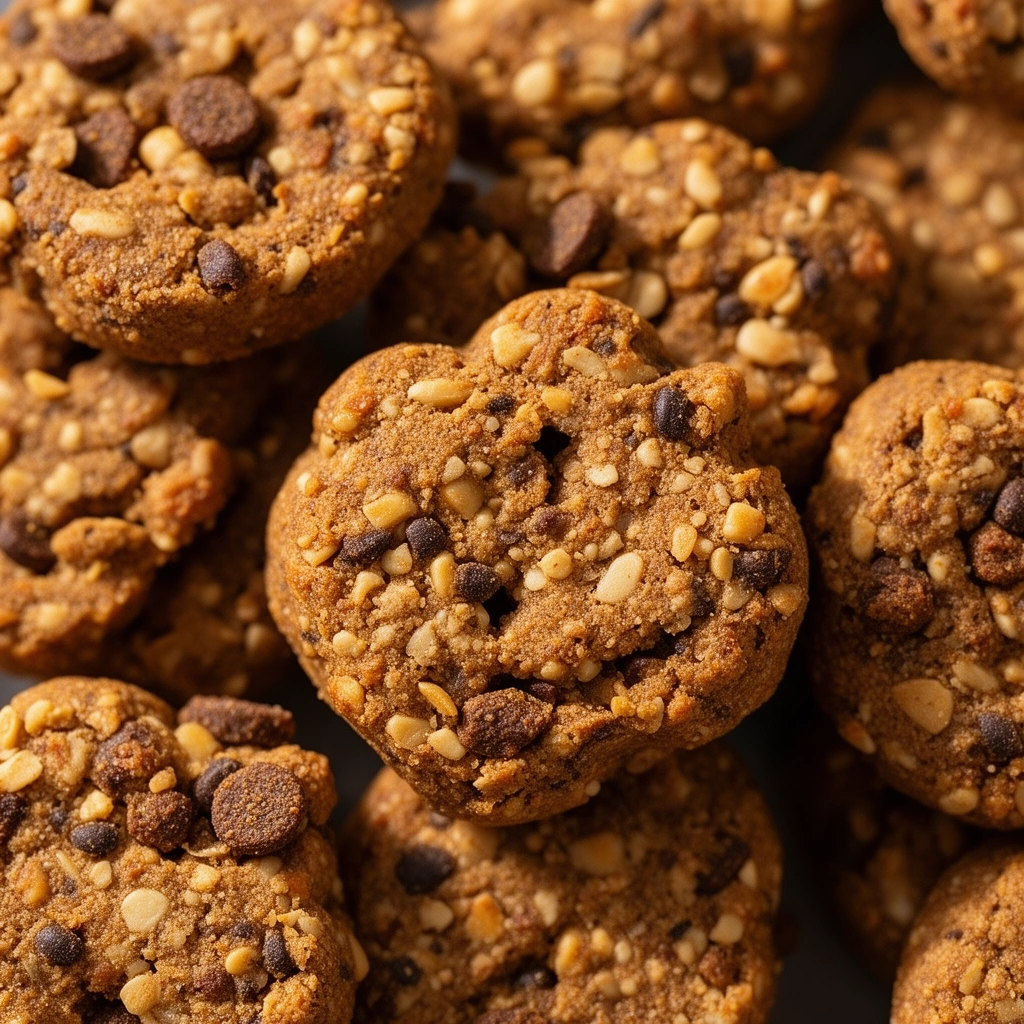
Each variation keeps the Halloween spirit alive while giving you flexibility based on your dog’s dietary needs or your own pantry stock.
A Quick Word on Safety During Halloween
Beyond the treats themselves, Halloween brings extra risks for dogs that many articles gloss over. Trick-or-treaters ringing the doorbell repeatedly can stress out anxious dogs. Costumes, while adorable, sometimes restrict movement or cause overheating if left on too long. And of course, keep the actual candy bowl far out of paws’ reach—chocolate, raisins, and xylitol-sweetened candies send more dogs to emergency vets in October than almost any other month.
Setting up a quiet space away from the front door, checking costumes for comfort, and treat-proofing your countertops all go a long way toward keeping the holiday fun instead of stressful.
Wrapping Up
Making Halloween dog treats at home doesn’t require culinary school skills or fancy gadgets. With a can of pumpkin, a few pantry staples, and some cookie cutters, you can create something festive, safe, and genuinely tasty for your dog. I’ve shared the exact steps, the mistakes to dodge, and a handful of variations so you’re not stuck making the same recipe every year.
So grab that mixing bowl, preheat the oven, and give your pup a Halloween treat that’s made with love instead of mystery ingredients. Your dog won’t care about the spooky shapes nearly as much as the fact that you made something just for them—and that’s what these Halloween dog treats are really about.