Homemade Chicken and Pumpkin Dog Food Recipe: A Complete Guide
Ever wonder if you’re feeding your dog the best food possible? I asked myself that same question a few years back, and it led me straight to this homemade chicken and pumpkin dog food recipe. It’s simple, it’s healthy, and my dog actually gets excited when I pull out the pumpkin can.
I’ve tested this recipe more times than I can count. I’ve tweaked it, fixed mistakes, and learned what actually works. So let me walk you through everything you need to know, including the stuff other articles tend to skip.
Why Chicken and Pumpkin Make a Great Combo
Chicken gives your dog lean protein. It builds muscle and keeps energy levels steady. Pumpkin, on the other hand, is a fiber powerhouse. It helps with digestion and can even calm an upset tummy.
Together, these two ingredients create a meal that’s gentle on the stomach but still packed with nutrients. That’s why so many vets recommend this pairing for dogs with sensitive digestion or those recovering from an illness.
But here’s something a lot of recipes forget to mention: chicken and pumpkin alone aren’t a complete diet. Dogs need calcium, healthy fats, and specific vitamins too. I’ll cover how to fix that gap later in this article, so stick around.
Key Terms You Should Know
Before we jump into the recipe, let’s clear up a few terms. Understanding these will help you make smarter choices for your pup.
Lean Protein
: Meat with low fat content, like skinless chicken breast, that supports muscle growth without adding extra calories.
Complete and Balanced
: A pet food term meaning the meal contains all necessary nutrients in the right amounts for a dog’s life stage.
Calcium Supplement
: An added ingredient, like ground eggshell or bone meal, that provides the calcium homemade meals often lack.
Fiber
: A carbohydrate that aids digestion, found in high amounts in pumpkin.
Rotation Feeding
: The practice of switching proteins and recipes regularly to avoid nutrient gaps and food boredom.
Ingredients You’ll Need
Here’s what goes into a solid batch of homemade chicken and pumpkin dog food.
- 2 pounds of boneless, skinless chicken breast or thighs
- 1 cup of plain canned pumpkin (not pumpkin pie mix)
- 2 cups of brown rice or quinoa
- 1 cup of chopped carrots
- 1 cup of chopped green beans
- 2 tablespoons of fish oil or flaxseed oil
- 1 teaspoon of ground eggshell or a calcium supplement
- 4 cups of low-sodium chicken broth or water
Quick note here: skip the pumpkin pie filling from the baking aisle. It’s loaded with sugar and spices that can hurt your dog. Plain canned pumpkin or fresh cooked pumpkin puree is the way to go.
Step-by-Step Cooking Instructions
I know recipes can feel overwhelming, so I’ve broken this down into simple steps.
- Step 1: Boil the chicken breasts in water or broth until fully cooked. This usually takes about 20 minutes.
- Step 2: Remove the chicken and let it cool. Shred or dice it into small, bite-sized pieces.
- Step 3: Cook the rice or quinoa separately according to package instructions.
- Step 4: Steam the carrots and green beans until soft. Don’t skip this step. Raw veggies are harder for dogs to digest.
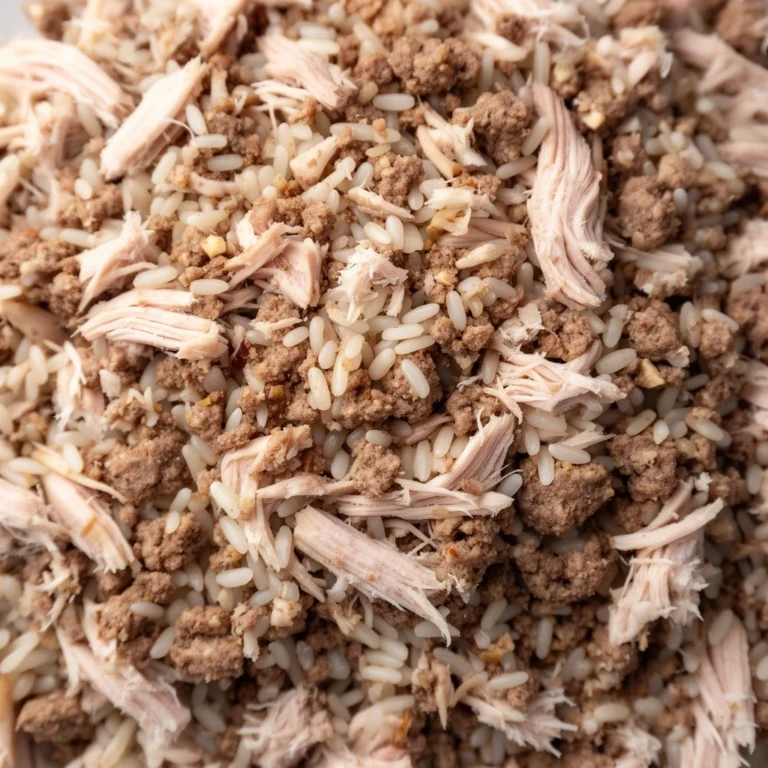
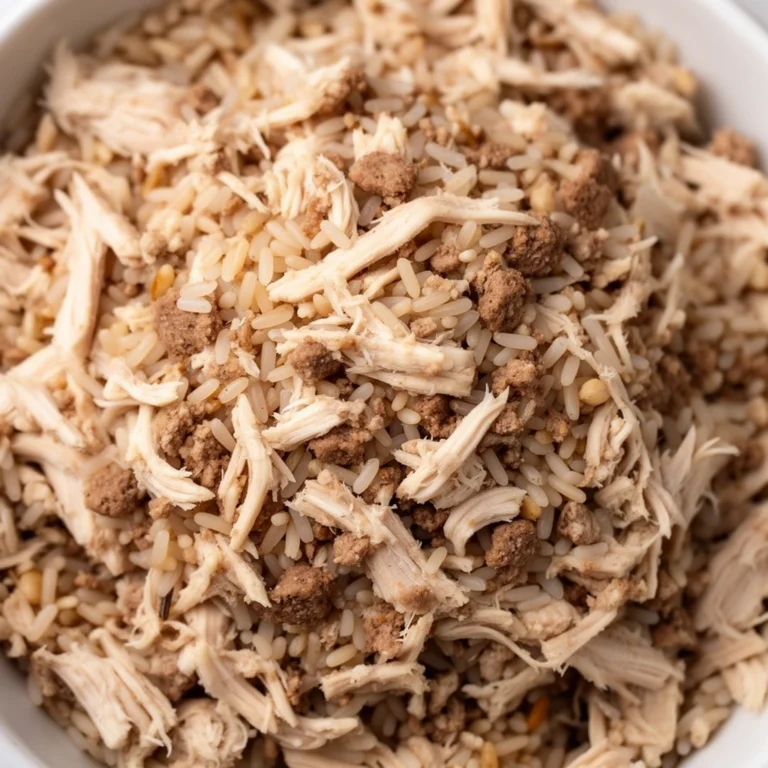
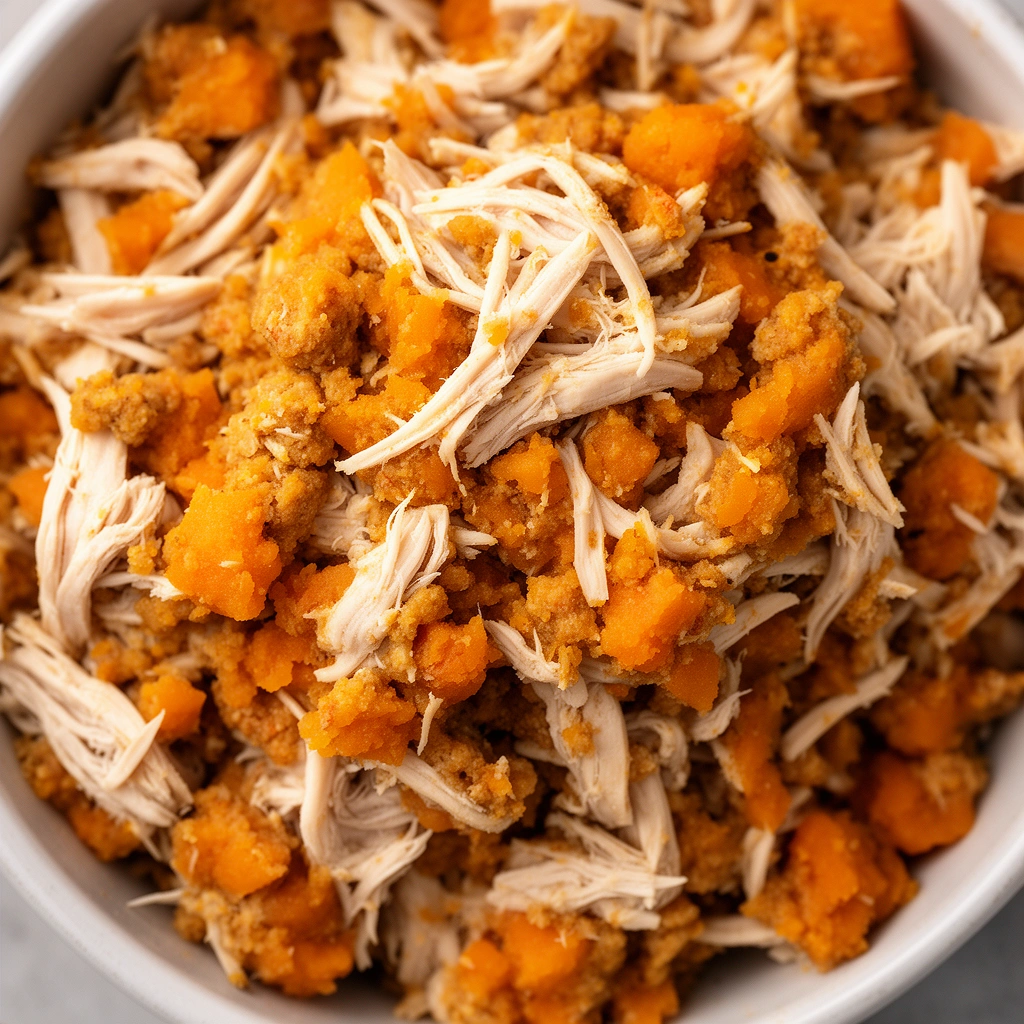
- Step 5: In a large mixing bowl, combine the chicken, rice, pumpkin, carrots, and green beans.
- Step 6: Stir in the fish oil and calcium supplement.
- Step 7: Mix everything thoroughly, then let it cool completely before serving.
- Step 8: Portion into meal-sized containers and refrigerate or freeze what you won’t use in the next three days.
That’s it. No fancy equipment, no complicated techniques. Just real food, cooked with care.
How Much Should You Feed Your Dog?
This is where a lot of recipes fall short. They give you the ingredients but leave you guessing on portions. Here’s a rough guide based on your dog’s weight.
- Small dogs (under 20 lbs): ¾ to 1 cup per day, split into two meals
- Medium dogs (20-50 lbs): 1.5 to 2.5 cups per day, split into two meals
- Large dogs (50-90 lbs): 3 to 4 cups per day, split into two meals
- Extra-large dogs (90+ lbs): 4.5 to 6 cups per day, split into two meals
These are starting points, not hard rules. Every dog is different. Activity level, age, and metabolism all play a part. I always suggest checking with your vet before making homemade food a regular part of your dog’s diet, especially if your pup has health issues.
Storing and Freezing Your Homemade Dog Food
Storage matters more than people realize. This isn’t shelf-stable kibble, so you’ve got to treat it like the fresh food it is.
- Store in the fridge for up to 4 days in an airtight container
- Freeze in individual portions for up to 3 months
- Thaw frozen portions in the fridge overnight, never on the counter
- Always check for off smells or texture changes before serving
I like using silicone muffin trays to freeze single portions. It makes grab-and-go mornings so much easier.
Tips for Success
- Always cook chicken fully. Undercooked poultry can carry bacteria that harm your dog.
- Use plain pumpkin only. Avoid anything with added sugar or spices.
- Rotate in different veggies occasionally to keep meals interesting.
- Add the calcium supplement every single time. Skipping it creates a nutrient imbalance over weeks.
- Introduce this food slowly if your dog is used to kibble. Mix small amounts in at first.
- Keep portions consistent to avoid unwanted weight gain.
Common Mistakes and How to Avoid Them
Even simple recipes can go wrong. Here are the mistakes I see most often, and how to sidestep them.
- Skipping the calcium source. Chicken and pumpkin alone lack the calcium dogs need for bone health. Always add eggshell powder or a vet-approved supplement.
- Using seasoned chicken. Garlic, onion, and salt are toxic or harmful to dogs. Stick to plain, unseasoned meat.
- Feeding pumpkin pie filling instead of plain pumpkin. This mistake happens more than you’d think. Always double-check the can label.
- Overfeeding. Homemade food doesn’t have the same calorie density as kibble sometimes, but portions still matter. Stick to the guidelines above.
- Not rotating proteins. Feeding the exact same recipe for months can lead to nutrient gaps. Mix things up every few weeks.
- Storing food too long. Fresh dog food spoils faster than store-bought kibble. Don’t push past the 4-day fridge limit.
Variations You Can Try
Once you’ve got the base recipe down, feel free to get creative. Here are a few variations I’ve made myself.
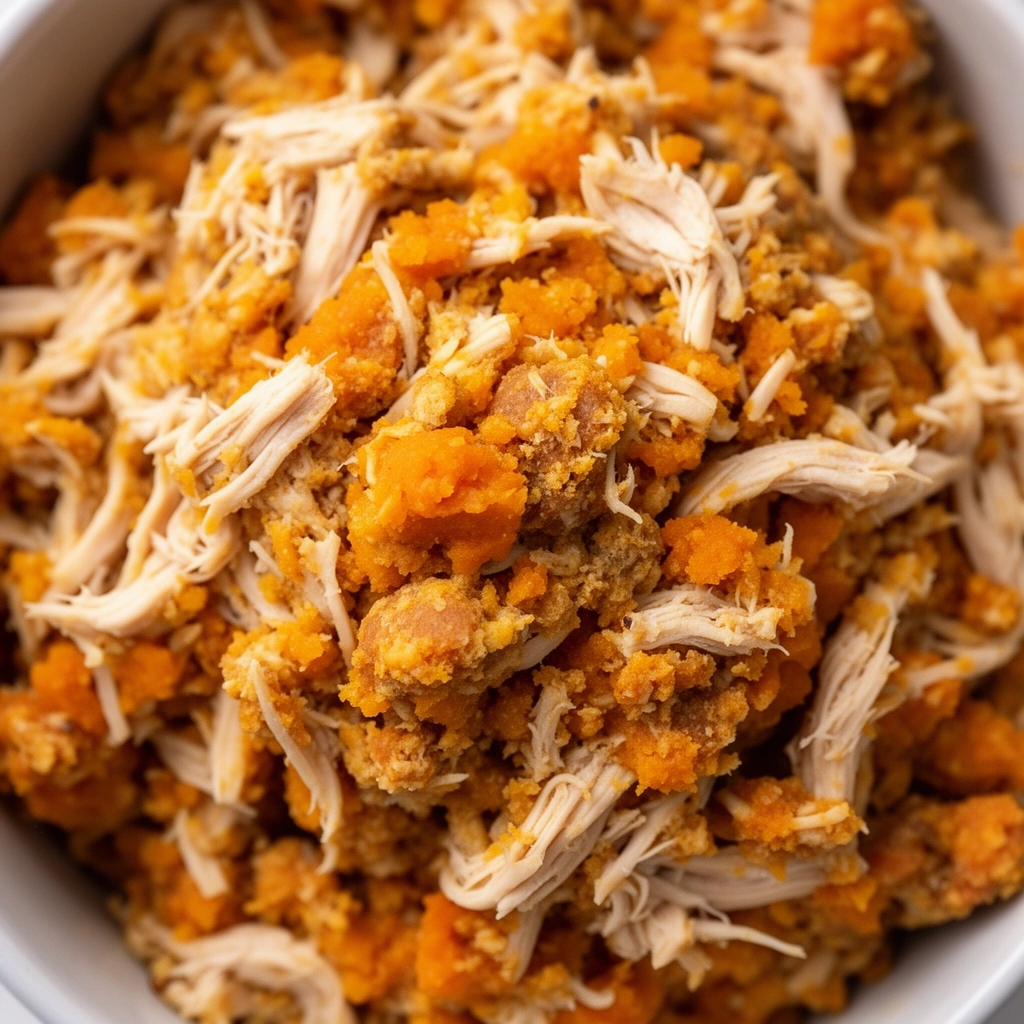
- Turkey and Pumpkin: Swap chicken for ground turkey for a leaner option.
- Beef and Pumpkin: Great for dogs who need more iron in their diet.
- Sweet Potato Swap: Replace pumpkin with mashed sweet potato for a different fiber source.
- Grain-Free Version: Use cooked lentils or chickpeas instead of rice for dogs with grain sensitivities.
- Fish and Pumpkin: Salmon or whitefish works well for dogs with poultry allergies.
Each variation keeps the same basic structure but swaps the protein or carb source. This helps prevent food boredom and covers a wider range of nutrients over time.
When to Talk to Your Vet
I want to be upfront about something. Homemade dog food, even a good recipe like this one, isn’t automatically “complete and balanced” the way commercial dog food is required to be. If you’re planning to feed this as your dog’s main diet long-term, talk to your vet or a veterinary nutritionist. They can help you figure out if you need extra supplements like taurine, vitamin E, or zinc.
This recipe works great as a regular meal option or a healthy addition to your dog’s routine. But dogs with kidney disease, pancreatitis, or other health conditions might need a different approach entirely.
Final Thoughts
Making homemade chicken and pumpkin dog food doesn’t have to be complicated. With a few simple ingredients and a little planning, you can create meals that your dog will genuinely enjoy. I’ve watched my own dog’s coat get shinier and his energy improve since switching a few meals each week to this recipe.
Just remember the basics: use plain ingredients, add that calcium boost, store it properly, and check in with your vet along the way. Do that, and this homemade chicken and pumpkin dog food recipe could become a staple in your dog’s diet for years to come.